Smokers deserve accurate information about the relative risks of the products available to them. What they receive is systematically distorted—by institutional caution, by political pressure, by the legacy of a communication strategy that prioritized simplicity over truth.
As the legal vaping market is restricted, the illicit market is innovating. Counterfeit products are becoming harder to distinguish from legitimate ones. The quality is improving. The safety is not. The illicit evolution is a public health threat manufactured by regulation.
Nicotine is being normalized in the biohacking community as a cognitive tool—comparable to caffeine, modafinil, and creatine. The normalization is controversial, defensible, and revealing of a future where nicotine's stigma may fade as its delivery systems improve.
industry changesbiohackingnootropicsnormalizationfuture
The most common question from quitting smokers: 'When will I feel normal again?' The answer depends on the timeline of dopamine system recovery—a process that unfolds over months, not weeks. Understanding the timeline makes the waiting bearable.
King James I of England published 'A Counterblaste to Tobacco' in 1604—the world's first anti-smoking tract. He called smoking 'a custom loathsome to the eye, hateful to the nose, harmful to the brain, dangerous to the lungs.' Four centuries later, we're still fighting the same fight.
Cigarette advertising was banned decades ago, but its techniques—lifestyle aspiration, identity association, emotional resonance—are now the standard playbook for every consumer brand. The ghosts of cigarette advertising are everywhere. We've just forgotten where they came from.
The generation that worked in cigarette factories, grew tobacco on family farms, and lived through the transformation of smoking from glamorous to stigmatized is dying. Their stories are not in the archive. An oral history project would preserve them before they're lost.
Imagine a nicotine policy based on evidence: products regulated by risk, taxes set by harm, information communicated honestly. The risk-proportionate future is achievable. The obstacles are political, not scientific.
The cigarette signals something. The vape signals something else. The nicotine pouch signals something else entirely. Nicotine consumption is not just pharmacology—it's identity communication. Understanding the signaling dimension is key to understanding product choice.
Your smartwatch knows you're going to relapse before you do. Changes in heart rate variability, sleep patterns, and activity levels in the 24-48 hours before a relapse are detectable—and potentially preventable. Predictive relapse technology is coming.
A small group of institutions—the WHO, the CDC, the FDA, a handful of major NGOs—controls the public narrative about nicotine. Their communications shape what billions of people believe. Their errors shape what billions of people do. The knowledge monopoly is unaccountable.
public healthknowledgemonopolyinstitutionsaccountability
Vaping is cheaper than smoking in the long run but more expensive in the short run—a pricing structure that systematically disadvantages the low-income smokers who would benefit most from switching. The economics of the cloud shape who switches and who doesn't.
Millions of people worldwide depend on the cigarette industry for their livelihoods—from factory workers to retail clerks to advertising professionals. The industry's decline will create a wave of displaced workers. No one is planning for them.
industry changesworkerstransitionemploymentjustice
Nicotine is a potent anti-inflammatory agent. It suppresses the immune response, which is why smokers have lower rates of some autoimmune diseases. When nicotine is removed, the immune system rebounds—sometimes aggressively. The inflammation axis shapes the quitting experience.
From Sartre to Didion, from Orwell to Murakami, the cigarette has been the writer's companion for a century. The literature of smoking reveals dimensions of the nicotine experience that no scientific study has captured.
The irritability, emotional volatility, and reduced patience of nicotine withdrawal don't just affect the quitter. They affect everyone in the household—especially children. Preparing the family for the quit attempt is as important as preparing the quitter.
Tobacco is one of the most soil-depleting crops in agriculture. After decades of tobacco cultivation, the land is exhausted—nutrient-poor, erosion-prone, and chemically contaminated. The soil story is the environmental dimension of the tobacco transition that nobody discusses.
The gap between nicotine regulation-on-the-books and regulation-in-practice is vast—and it's growing. Enforcement capacity has not kept pace with regulatory ambition. The result is a system that looks strict from a distance and is porous up close.
The smoker who tries to 'just stop' is trying to eliminate behavior without replacement. The smoker who develops a new ritual—vaping, running, meditation—is replacing the behavior with something that serves the same function. Replacement beats elimination every time.
When both partners in a smoking couple quit together, success rates double. But most cessation programs target individuals, not couples. The partner effect is one of the most powerful—and most neglected—tools in smoking cessation.
The populations with the highest smoking rates—the poor, the mentally ill, the incarcerated, the Indigenous—are the populations least served by current tobacco control. An equity-centered nicotine policy would look very different from the status quo.
The difference between combustion (900°C), vaporization (200-300°C), and oral absorption (37°C) is not just technical—it's the primary determinant of nicotine product risk. The temperature wars are the most important scientific debate in nicotine policy.
As cigarette volumes decline and reduced-risk products fragment across channels, the nicotine retail landscape is being remade. The convenience store of 2035 may not sell cigarettes at all—and what replaces them is uncertain.
industry changesretailconveniencedistributionfuture
Smoking doesn't just damage DNA. It leaves epigenetic marks—chemical modifications that change how genes are expressed—that can persist for decades after quitting and, in some cases, be transmitted to the next generation. The epigenetic legacy of smoking is just beginning to be understood.
nicotineepigeneticsDNAinheritancelegacy
Products
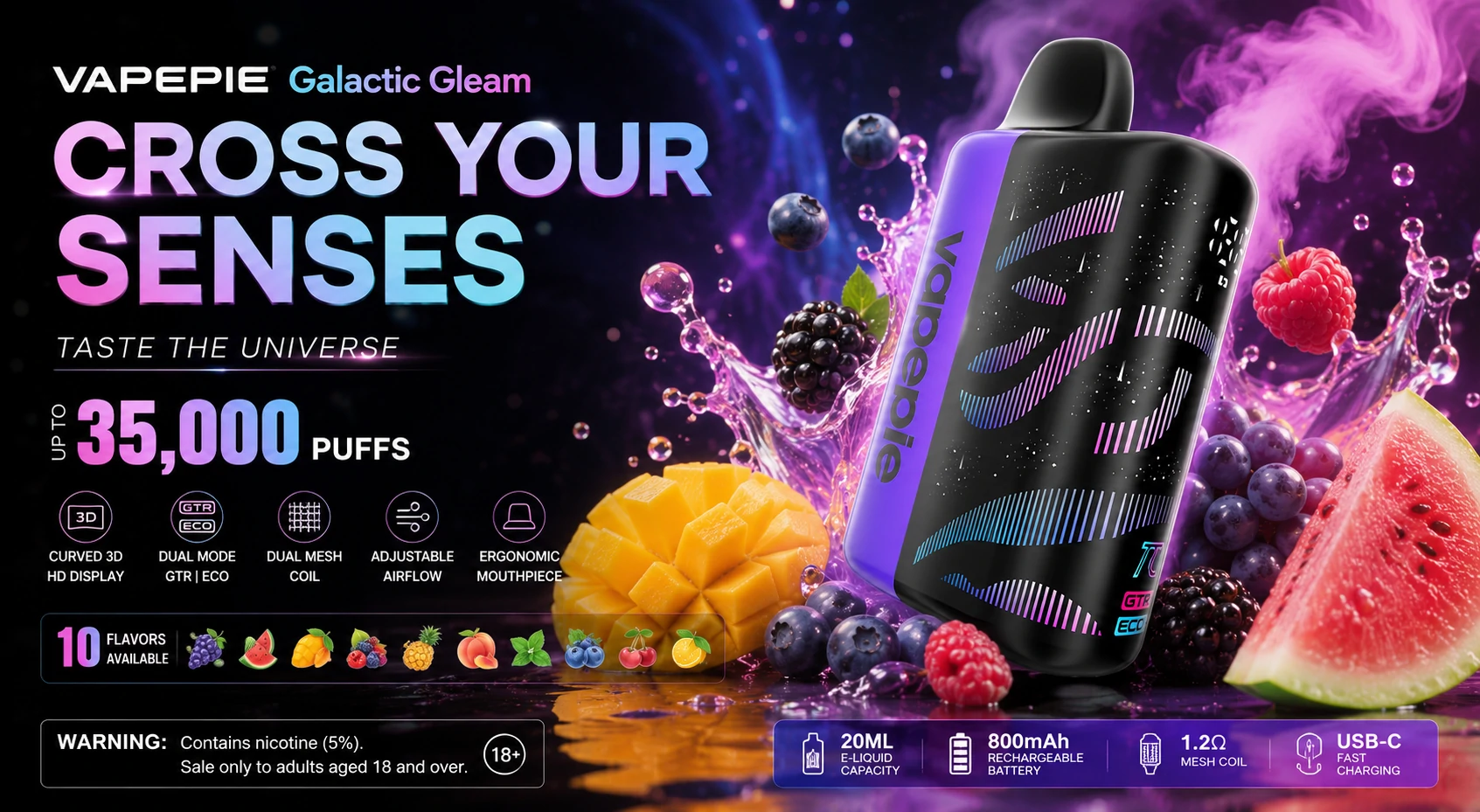
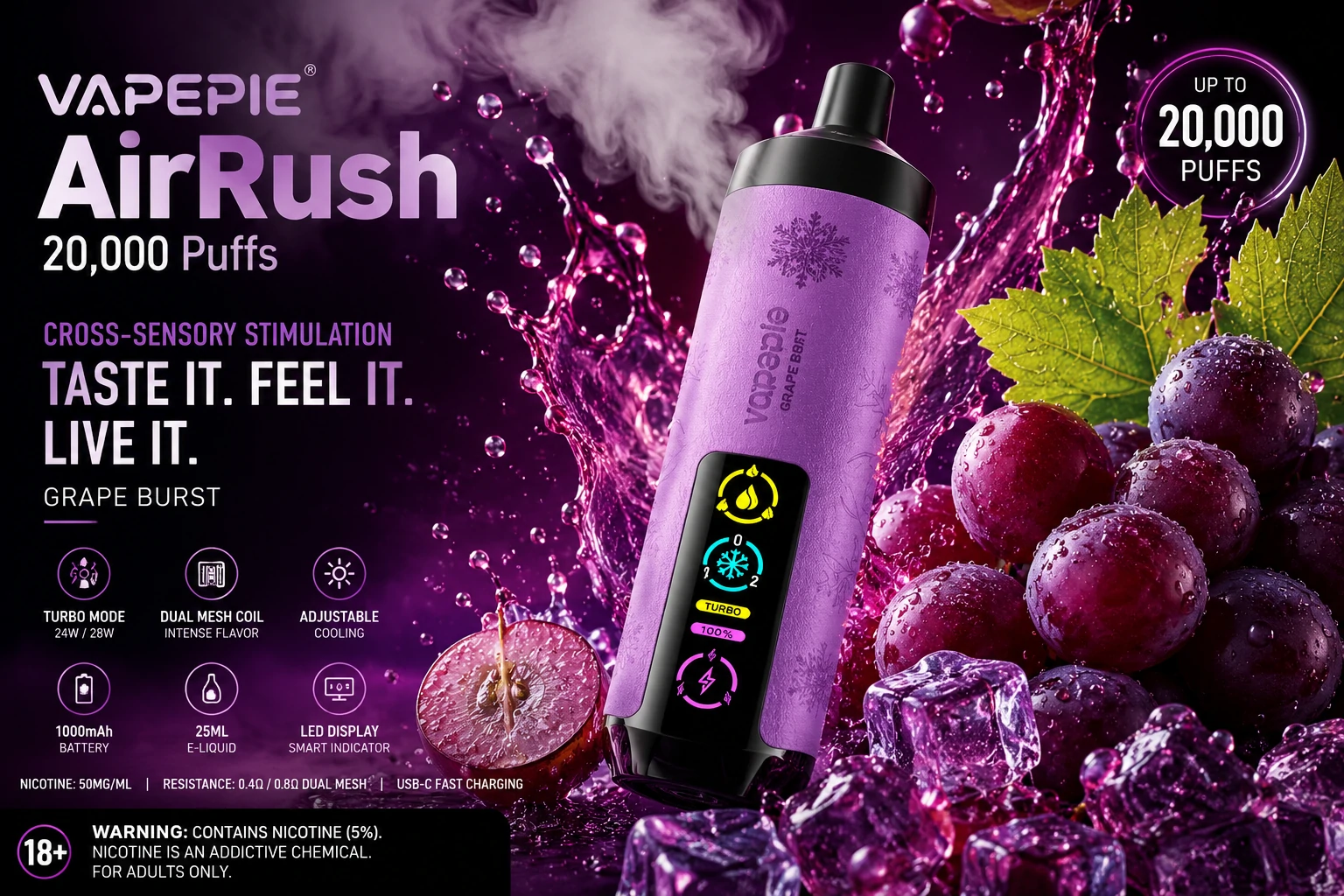
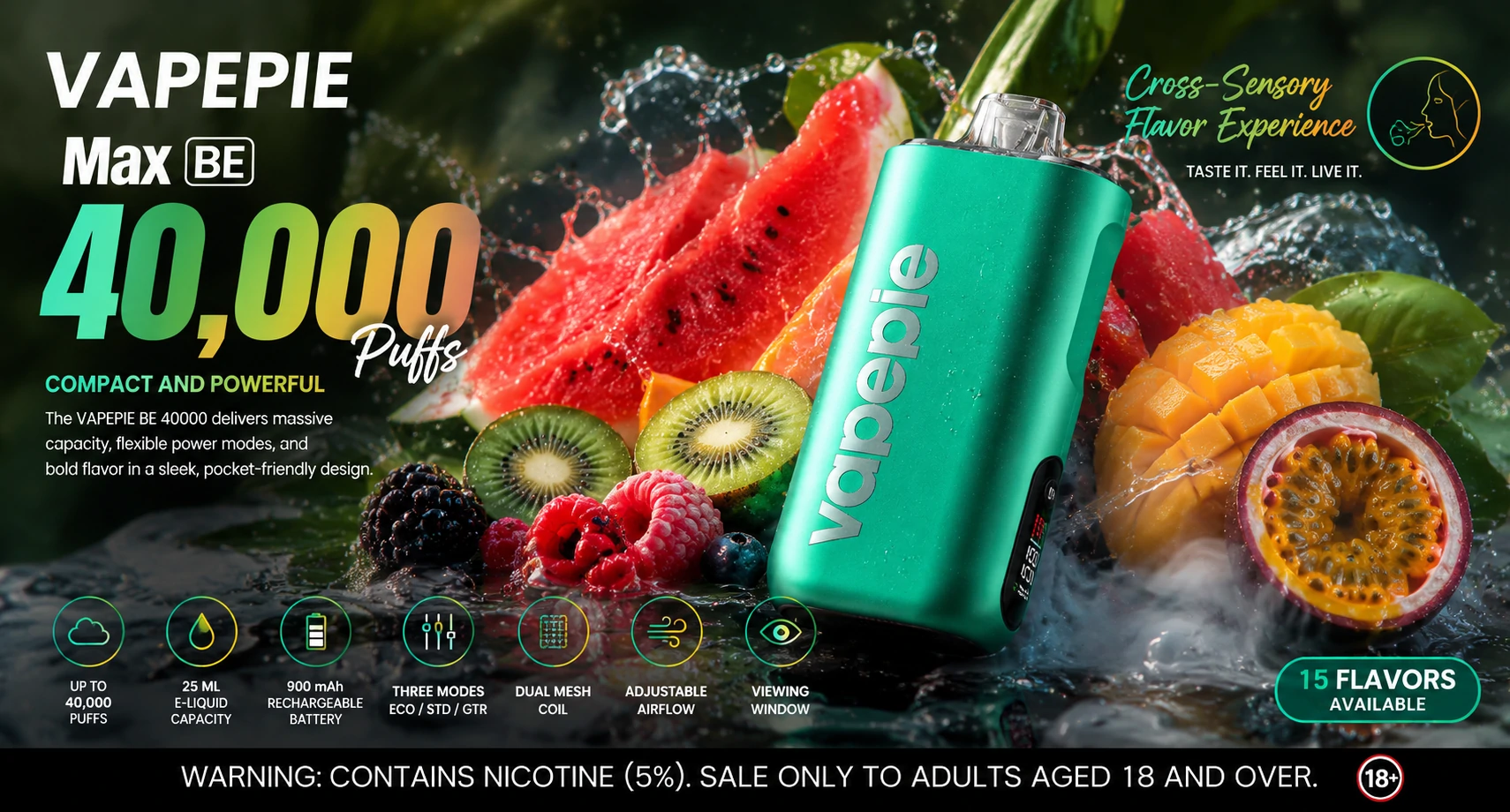
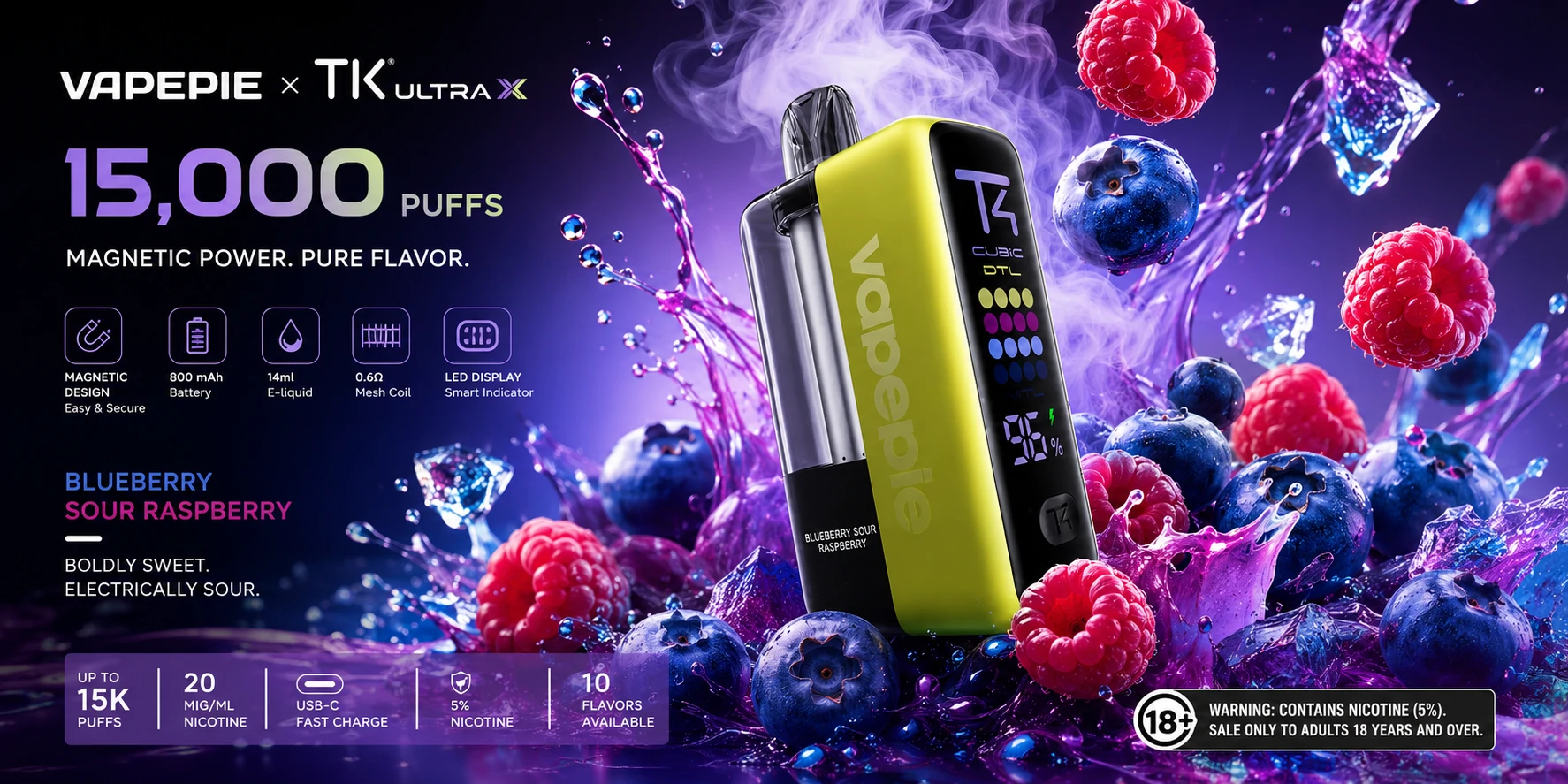
Explore VAPEPIE devices
Select a product to view details, highlights, and technical specifications.