As smoking declines in the West, the tobacco industry is fighting to protect its markets in the Global South—using tactics that were banned decades ago in high-income countries. The battle for the last billion smokers is being fought on profoundly unequal terms.
A growing number of schools are replacing suspension with cessation support—treating student nicotine use as a health issue rather than a disciplinary infraction. The results are promising, the approach is evidence-based, and the adoption is far too slow.
Tobacco has been used in religious ceremonies for thousands of years—by indigenous peoples in the Americas, by African spiritual traditions, by Hindu and Buddhist rituals. The sacred use of tobacco illuminates what the profane use has lost: meaning, intention, and respect.
Every ambitious tobacco control measure—plain packaging, flavor bans, generational prohibitions—faces a threat from international trade and investment law. The threat is not always realized, but its existence shapes policy in ways that are invisible to the public.
Addiction is, at its core, a disorder of time perception. The future consequences of smoking—cancer, heart disease, death—are discounted to near-zero by the addicted brain. The immediate relief of the cigarette is amplified. Understanding the time paradox is key to overcoming it.
Some quitters experience a 'pink cloud'—a period of euphoria in early cessation, when everything feels possible and the benefits of quitting seem infinite. The crash that follows is one of the most dangerous moments in recovery.
The scientific evidence on nicotine and harm reduction is stronger than ever. But the average smoker is more confused than they were a decade ago. The evidence translation gap—between what researchers know and what smokers understand—is a public health emergency.
public healthevidencetranslationcommunicationknowledge
The pod system—compact, discreet, draw-activated—has become the dominant vaping format. Its success reflects the triumph of convenience over customization. The next generation of devices will blur the line between pod and disposable, between vape and phone.
As cannabis legalization spreads and nicotine regulation tightens, the two industries are converging around shared delivery technology—vape hardware, edible formats, and consumer brands. The regulatory systems remain entirely separate. The products increasingly are not.
industry changescannabisconvergenceregulationtechnology
Nicotine is a powerful modulator of neuroplasticity—the brain's capacity to reorganize itself. It enhances learning and memory formation. It also entrenches addiction. The same mechanism that makes nicotine useful makes it dangerous.
After decades of decline, smoking imagery in film and television is rebounding—driven by streaming platforms, period pieces, and auteur directors who use the cigarette as a narrative tool. The public health response has been largely ineffectual.
The most effective youth nicotine prevention content is being produced by teenagers on TikTok—not by public health agencies. The content is authentic, peer-delivered, and reaches millions. Public health needs to learn from it, not compete with it.
The global transition away from tobacco farming will affect an estimated 33 million smallholder farmers and their families. A just transition—providing alternative livelihoods, retraining, and community investment—would cost billions. Currently, almost nothing is funded.
A 'sunset' provision—phasing out cigarette sales over a defined period—is the most aggressive endgame strategy available. Multiple countries are considering it. The model is legally plausible, politically explosive, and would transform the nicotine landscape within a generation.
The most powerful force in nicotine addiction is not craving. It's automaticity—the cigarette that lights itself, the vape that reaches your lips before you've decided to use it. Breaking the habit loop is the central challenge of cessation.
Twenty years of post-cessation research has refined our understanding of how the body recovers from smoking. The timeline is both more encouraging and more sobering than the simplified version presented to smokers. Here's the updated picture.
When a pharmaceutical company sells a drug that causes harm, it pays billions in settlements. When a public health agency communicates in ways that cause harm—misleading smokers about relative risk—nobody pays anything. The accountability gap is a structural injustice.
public healthaccountabilityinstitutionsharmjustice
The 'throat hit'—the scratchy sensation at the back of the throat when inhaling nicotine—is the single most important sensory variable in vaping satisfaction. It's also almost entirely unstudied. Understanding the throat hit is key to making vaping work for more smokers.
The boundary between pharmaceutical nicotine and consumer nicotine is dissolving. Pharma companies are exploring consumer products. Tobacco companies are acquiring pharma expertise. The convergence will reshape both industries—and the regulatory system isn't ready.
Four hundred articles. Four series. One continuous inquiry into the most consequential public health debate of our time. The fourth series concludes—not with final answers, but with a deepened understanding of the questions. The nicotine story is not over. This telling of it is.
The historical record of the cigarette era is vast—industry documents, public health studies, personal memoirs, advertising archives. But the record has a gap: the experience of the smokers themselves, whose voices are systematically underrepresented in the archive.
The old model—adults telling kids 'don't do it'—is being replaced by peer-led, harm-reduction-oriented, and digital-native approaches. The prevention renaissance is evidence-based, youth-centered, and genuinely effective. It's also underfunded and politically vulnerable.
Humans have been using tobacco for at least 10,000 years—longer than we've been writing, longer than we've been farming wheat. The relationship between our species and this plant is ancient, complex, and entering a phase that neither partner could have anticipated.
The nicotine regulatory landscape of 2035 will look very different from today's. Here are six evidence-based predictions about where regulation is headed—and what it means for smokers, vapers, and the industry.
regulationfuturepredictionspolicytrends
Products
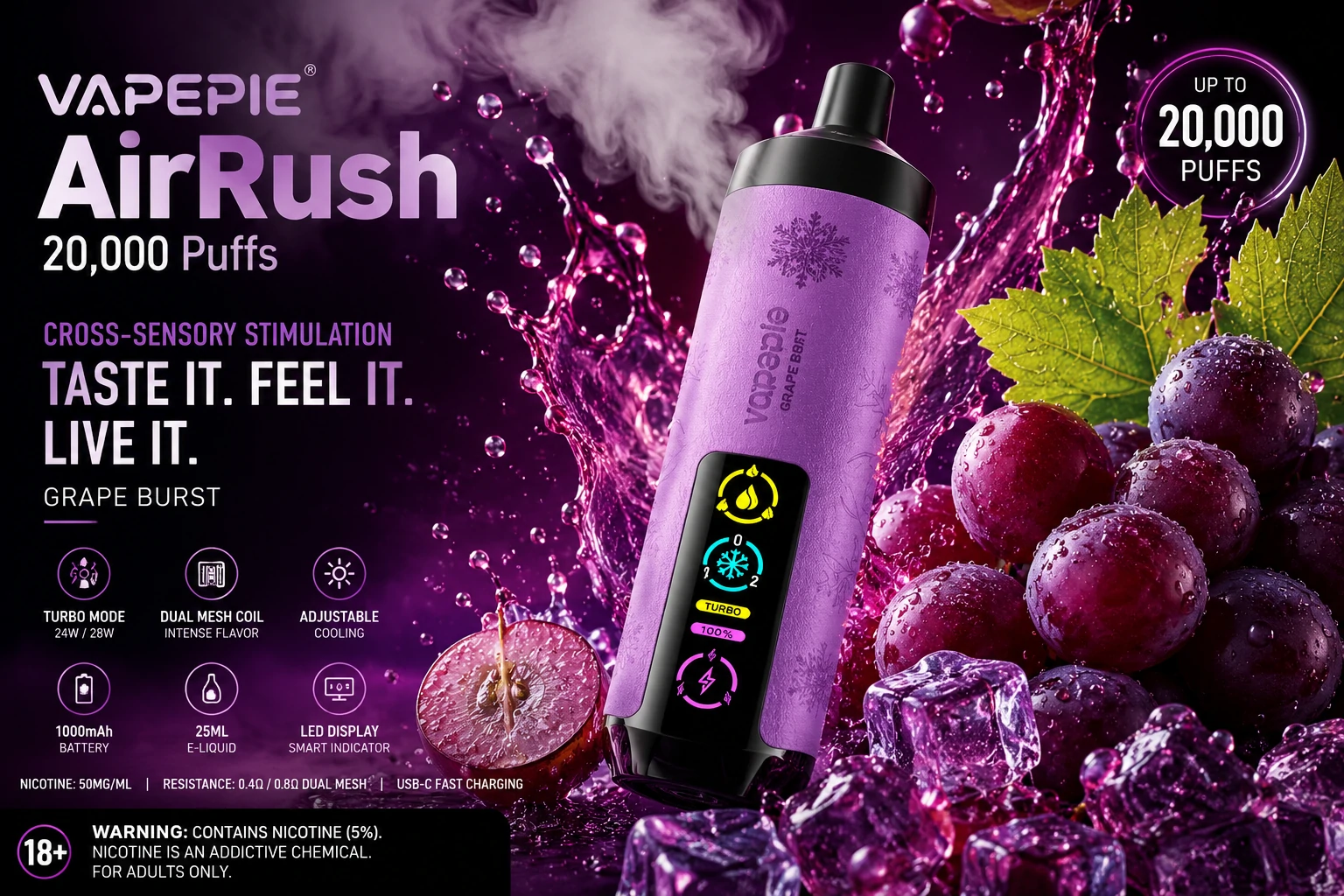
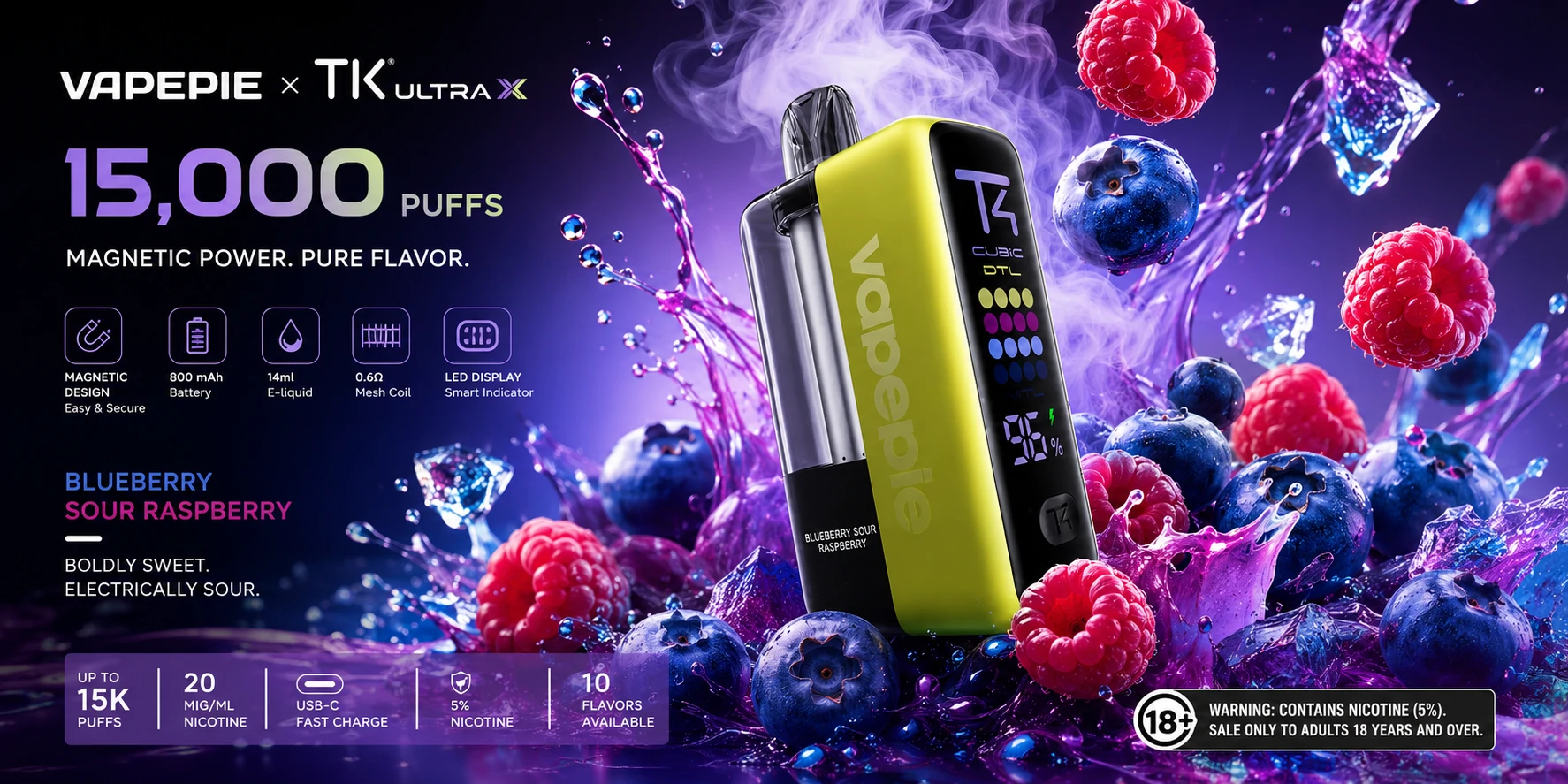
Explore VAPEPIE devices
Select a product to view details, highlights, and technical specifications.