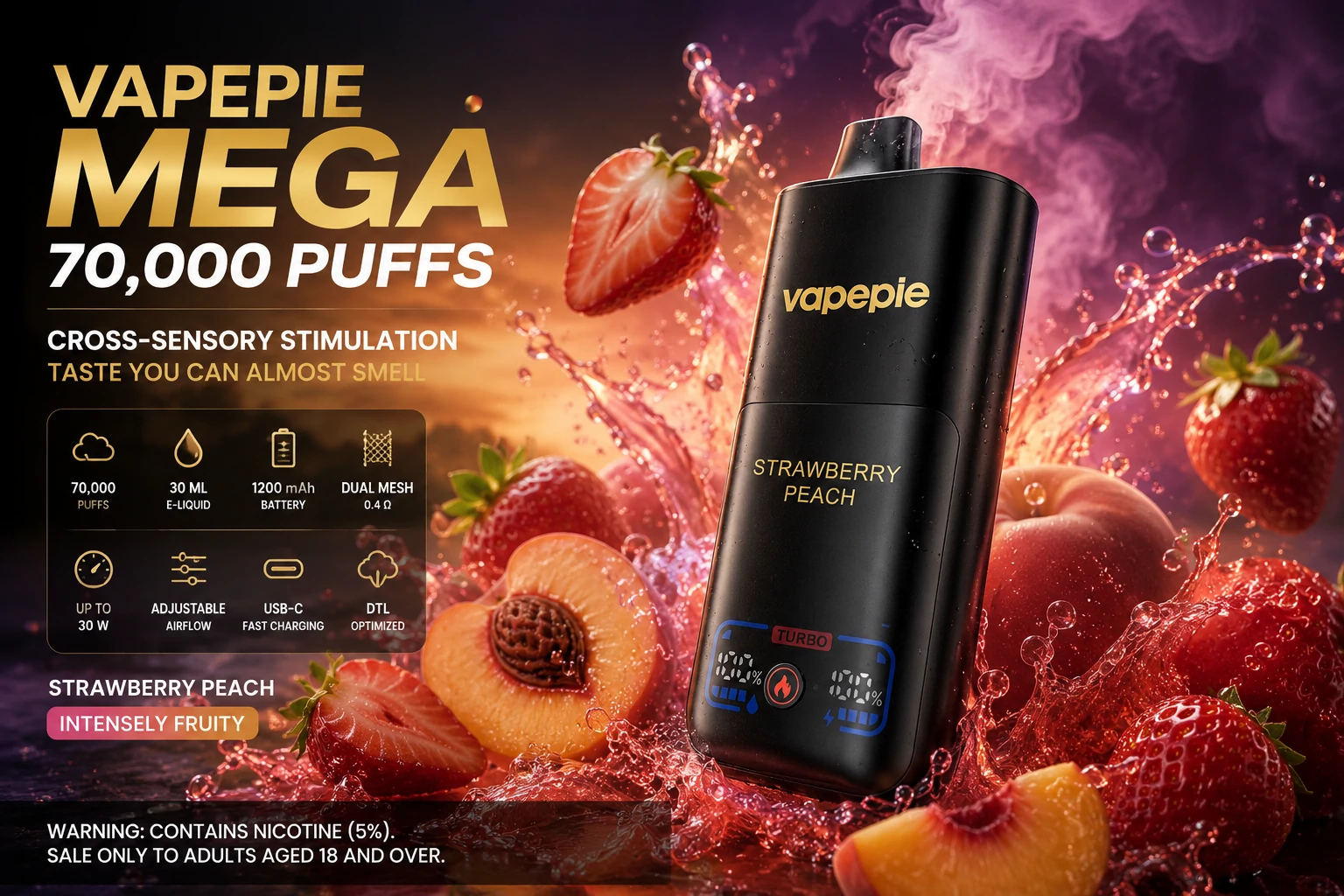
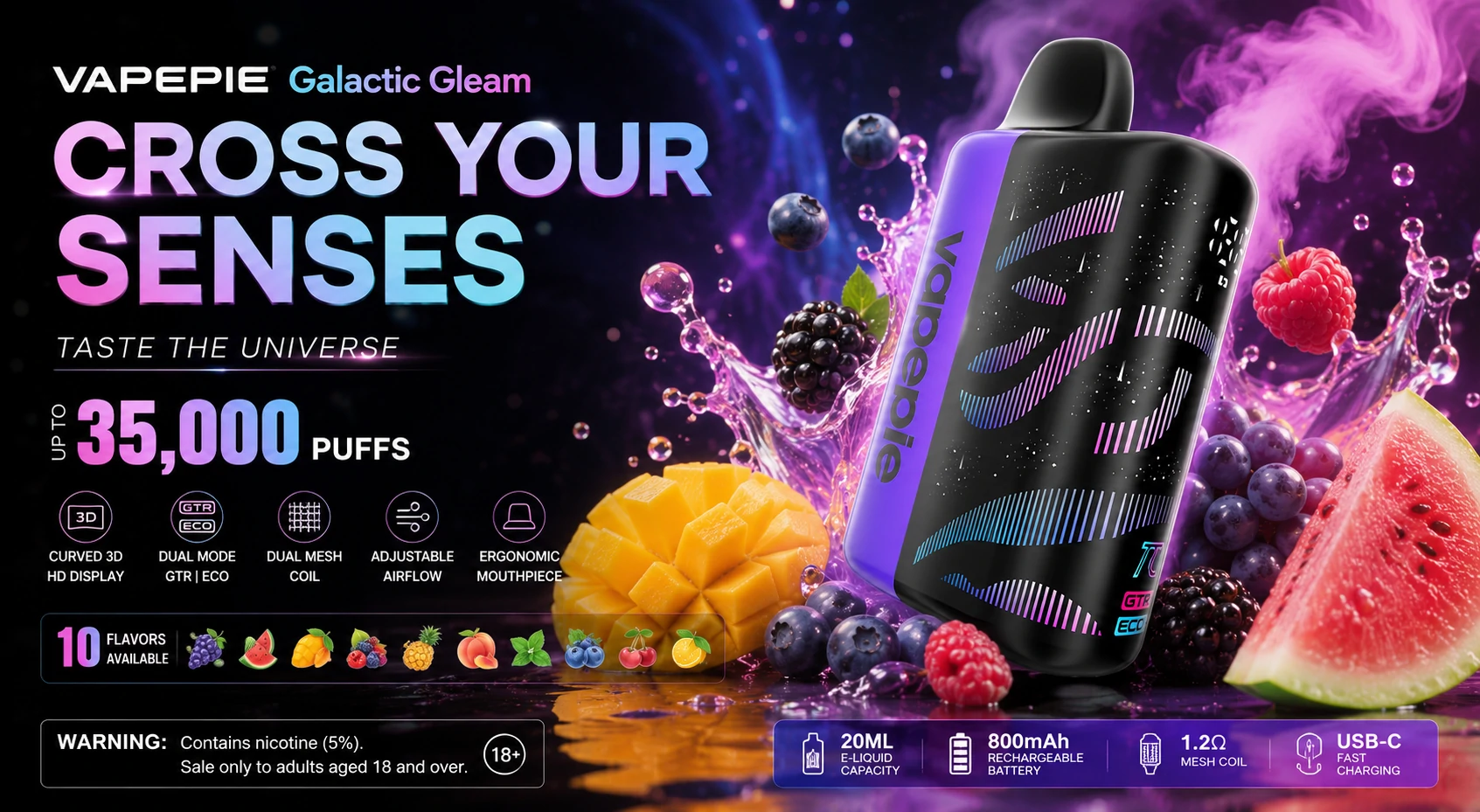
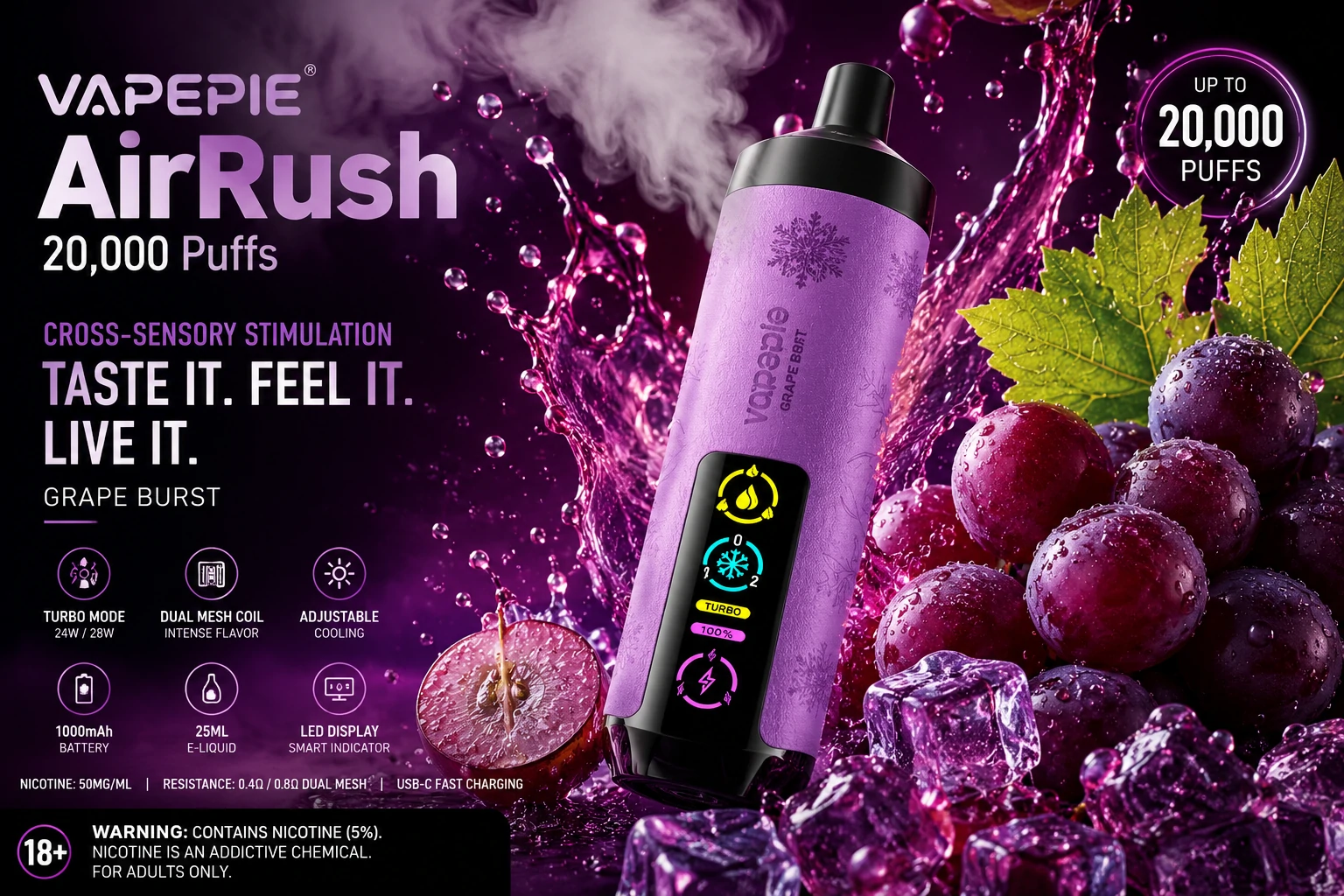
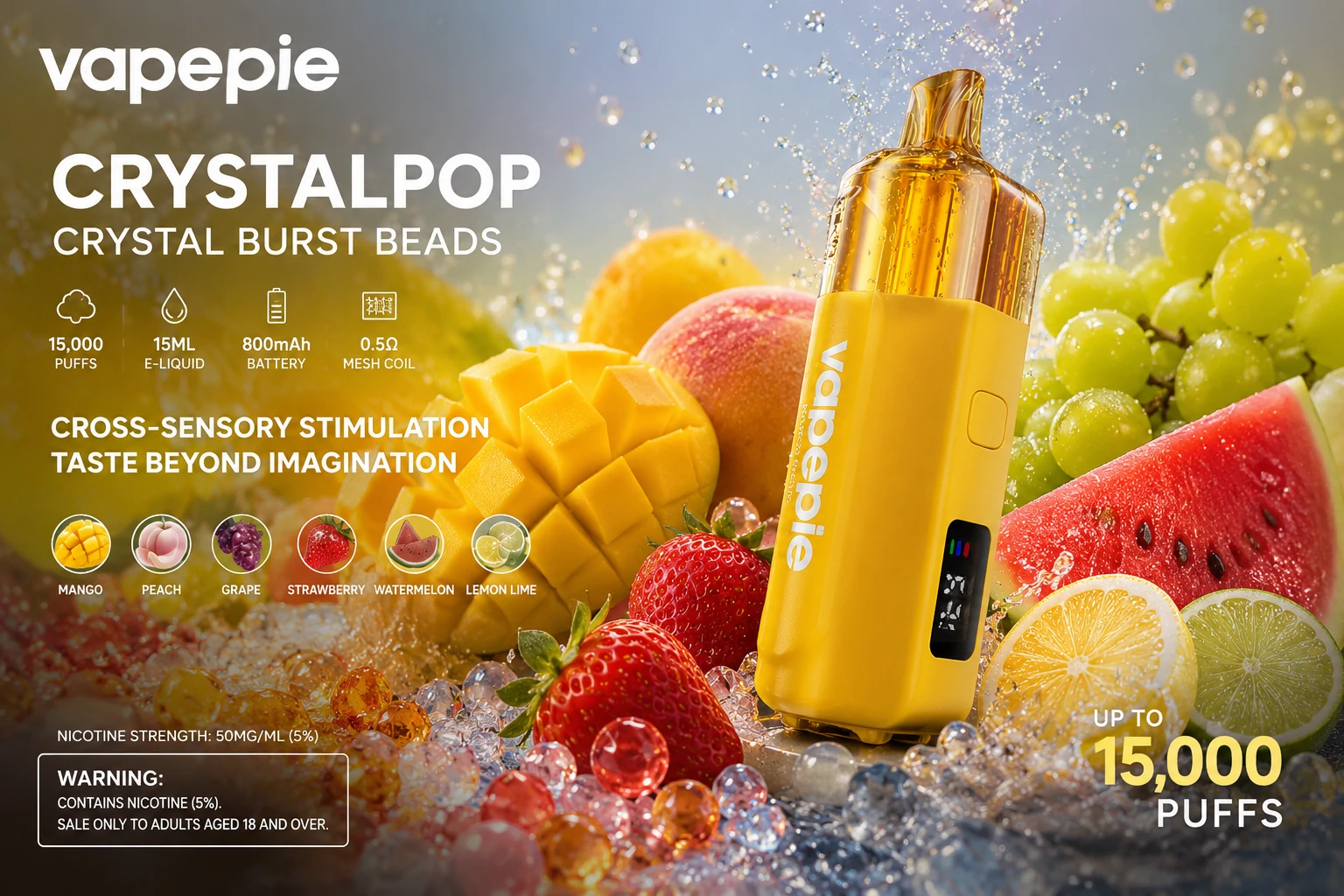
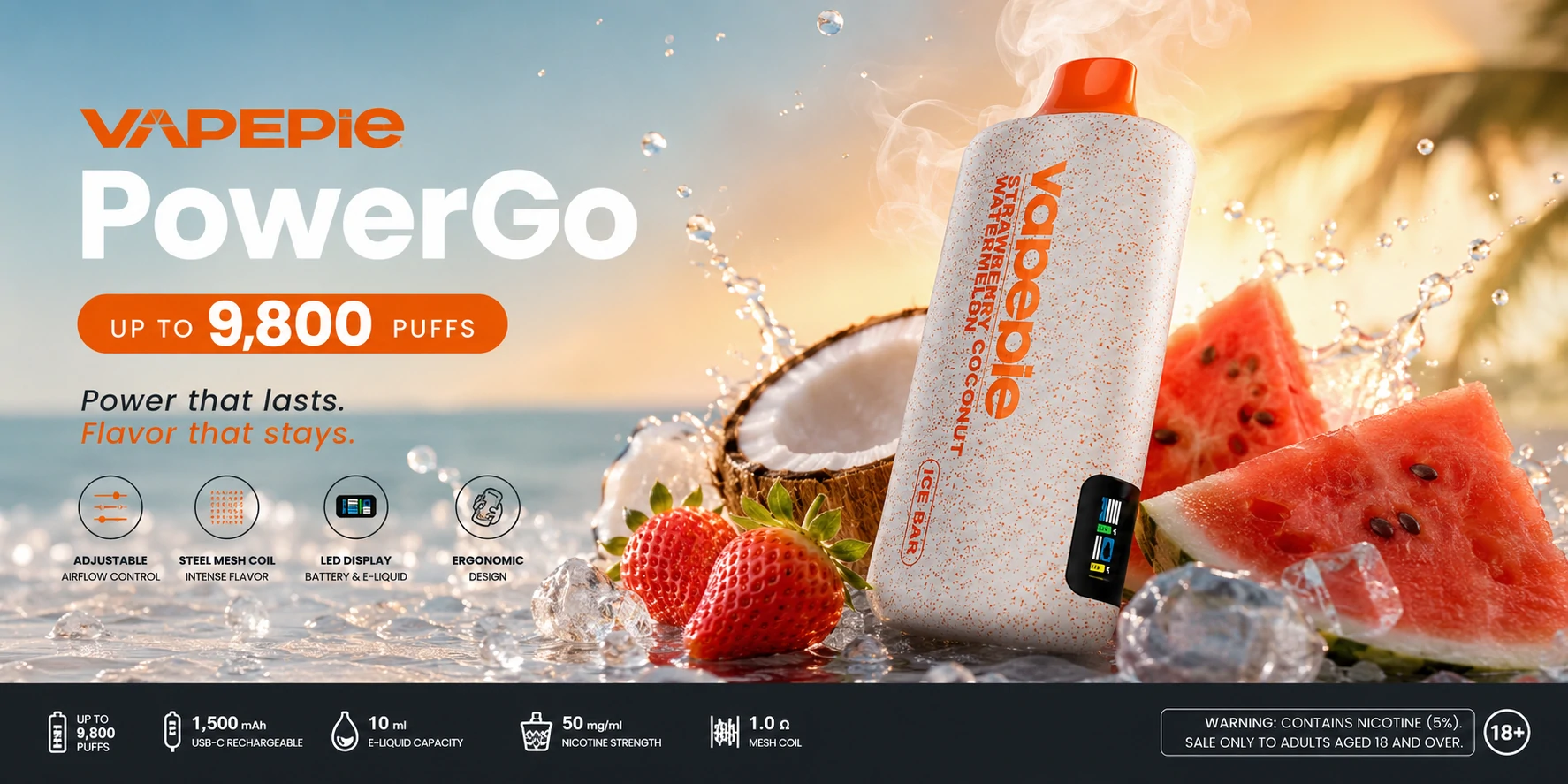
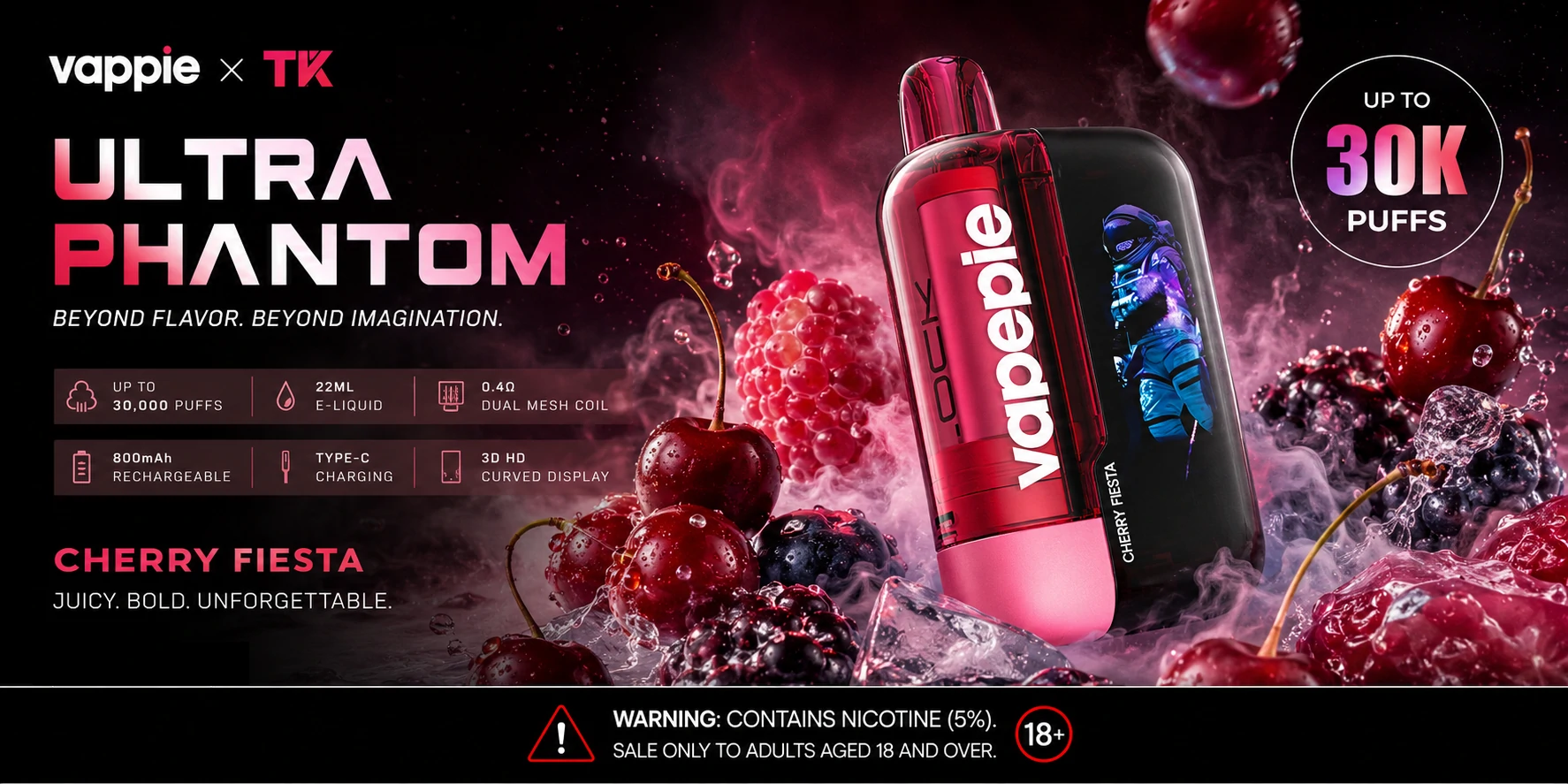
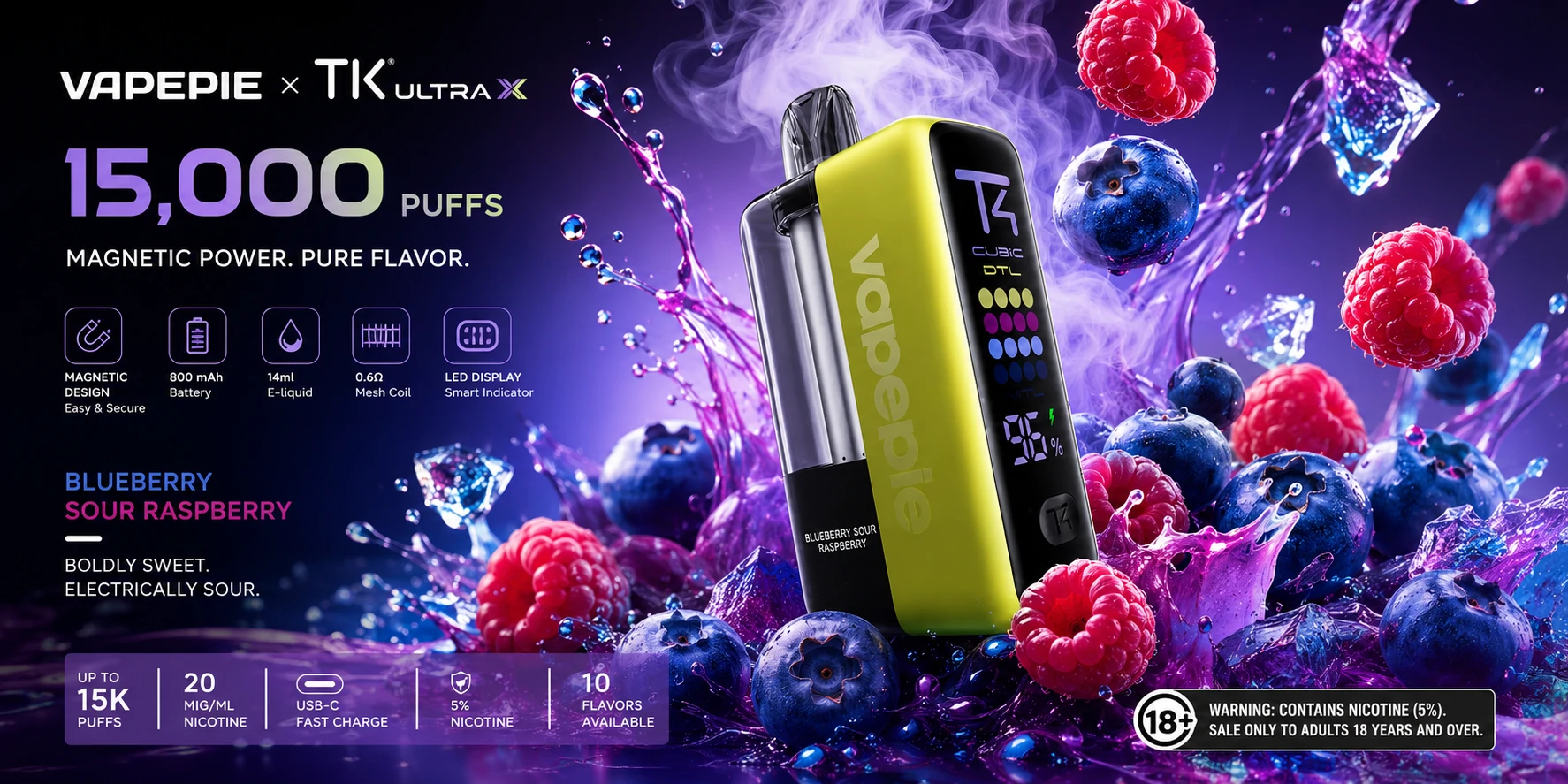
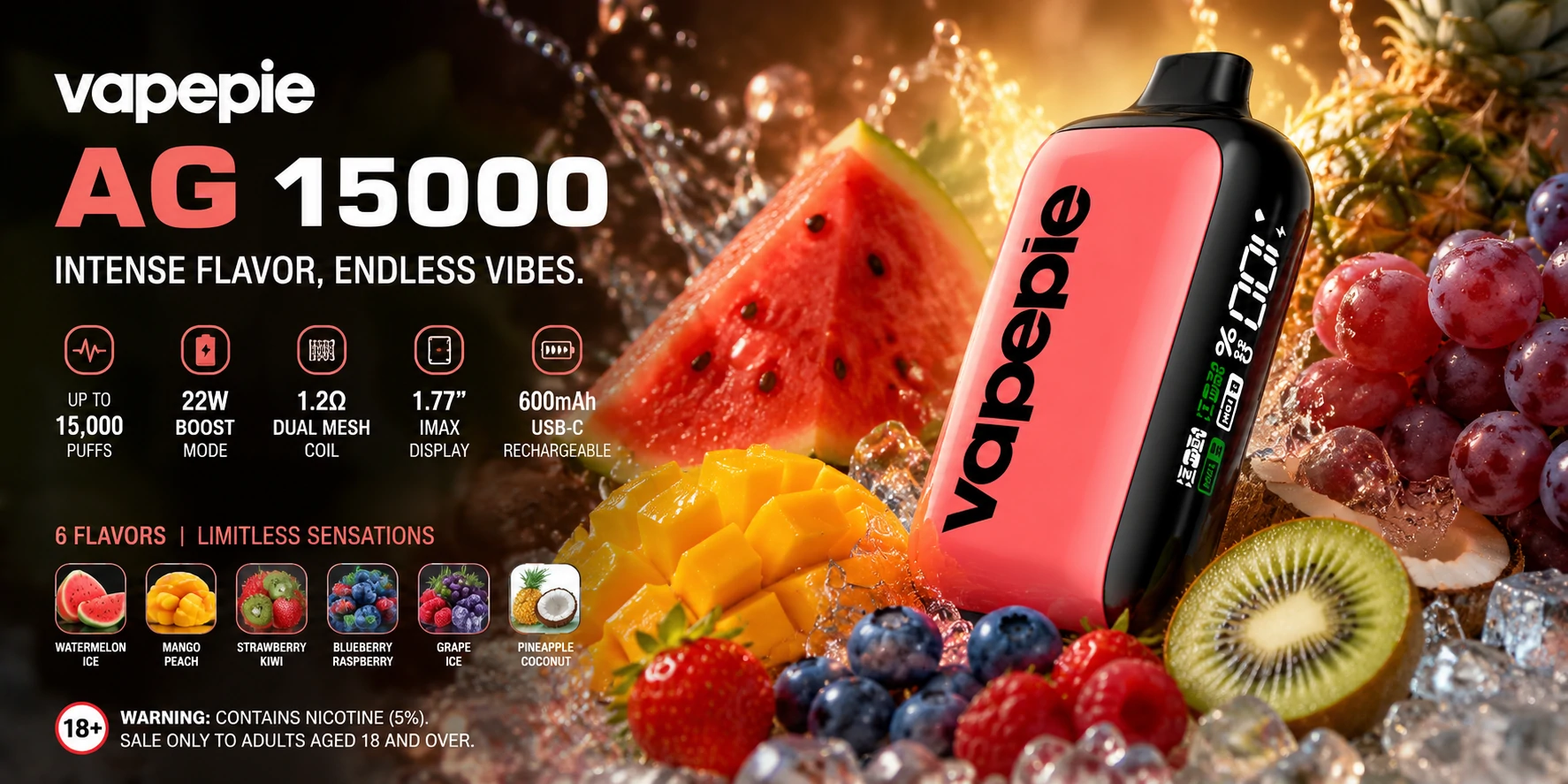
Vape aerosol is not water vapor. It's a complex mixture of propylene glycol, vegetable glycerin, nicotine, flavor compounds, and thermal degradation products. The aerosol science is clear: it's not harmless, it's dramatically less harmful than smoke.
The major nicotine companies sell both cigarettes (deadly) and reduced-risk products (safer). The dual market creates a conflict of interest that is structural, not individual. Resolving it requires a regulatory framework that makes the transition profitable.
industry changesdual marketconflictstrategytransition
Nicotine tolerance develops overnight. The brain's nicotine receptors, deprived during sleep, become hypersensitive—ready to respond dramatically to the first cigarette of the day. The morning cigarette's power is a neurochemical phenomenon, not a psychological one.
Refugee populations smoke at elevated rates. The cigarette is a coping mechanism for trauma, a connector in fragmented communities, a small comfort in desperate circumstances. Understanding smoking in displacement contexts requires understanding displacement itself.
Smoking runs in families—not just genetically, but systemically. The family is the primary environment in which smoking is learned, modeled, and sustained. Addressing smoking at the family level is more effective than addressing it at the individual level.
A cigarette is not made from a single tobacco variety. It's a blend—Virginia for sweetness, burley for body, oriental for aroma. The master blender is the artist who creates the taste. Their craft is the most sophisticated dimension of tobacco production.
Your nicotine consumption data—what you use, when, how much—is being collected by manufacturers, retailers, and apps. You don't own it. You can't access it. And it may be used against you. The consumer data rights movement hasn't reached nicotine yet.
The association between nicotine use and mental illness is one of the strongest in epidemiology. The standard explanation—'self-medication'—is partly true and partly incomplete. The full picture reveals a bidirectional relationship that has implications for treatment.
Convenience store clerks sell more cigarettes than anyone else in America. They witness the addiction, the desperation, the daily ritual of the cigarette purchase. And they're almost never asked what they think about it.
The science of nicotine's effects on the developing brain is real—and it's been simplified, amplified, and weaponized in the policy debate. Here's an honest assessment of what the evidence shows, what it doesn't, and what it means for policy.
As tobacco farming declines, millions of hectares of agricultural land will be freed up. The rewilding potential—restoring native ecosystems, sequestering carbon, rebuilding biodiversity—is enormous. The funding to make it happen is nonexistent.
Nicotine is not just a commodity. It's a naturally occurring alkaloid that has been used by humans for thousands of years. Treating it as corporate intellectual property—through patents and regulatory exclusivity—may be restricting access to a molecule that belongs to everyone.
Nicotine craving is context-dependent. The same person who feels no craving at home may experience intense craving the moment they walk into a bar. Understanding the environmental-cue dimension of addiction is essential to managing it.
Mindfulness—the practice of observing one's experience without judgment—has emerged as a powerful tool for smoking cessation. It doesn't eliminate craving. It changes the relationship with craving—and that change may be more powerful than any drug.
Major nicotine policy changes—the 2009 Tobacco Control Act, the 2019 Tobacco 21 law, the 2022 synthetic nicotine amendment—happen in brief windows of political opportunity. Understanding when the windows open is key to understanding when reform is possible.
The next generation of vaping devices will be connected, data-driven, and integrated with healthcare systems. The 'smart vape' will track consumption, monitor biomarkers, and communicate with your doctor. The technological convergence is inevitable. The privacy implications are enormous.
ESG mandates exclude tobacco stocks. The exclusion creates a valuation discount that makes tobacco stocks among the best-performing investments in the market. The ESG-tobacco paradox is a case study in the unintended consequences of ethical investing.
Nicotine improves attention, working memory, and motor performance. The effects are real, measurable, and comparable to caffeine. Should healthy people use nicotine for cognitive enhancement? The ethics are more complex than either side acknowledges.
Prison smoking bans, implemented across the US in the 2000s and 2010s, were supposed to improve inmate health. A decade later, the results are mixed: reduced secondhand smoke exposure, persistent smoking, a thriving black market, and a population of nicotine-dependent inmates with no legal access to nicotine.
The public health system has invested heavily in preventing youth nicotine use—and almost nothing in helping young people who are already using to quit. The youth cessation gap is a structural failure that reflects the abstinence-only ideology of youth nicotine policy.
The curing process—flue-curing, fire-curing, sun-curing, air-curing—determines the chemistry of the tobacco leaf and the character of the final product. The curing fire is the most important step in tobacco production that most consumers never think about.
US states are the laboratories of nicotine policy—experimenting with flavor bans, tax structures, and retail restrictions. The experiments are producing evidence about what works. The federal government is largely ignoring it.
The public health discourse treats nicotine users as patients—people whose judgment is compromised, whose preferences are distorted, who must be managed by experts. The consumer agency principle offers an alternative: nicotine users are agents capable of making informed decisions.
Vaping is the most popular—and most controversial—smoking cessation method in the world. The evidence that it works is stronger than the controversy suggests. Here's what the science actually shows about quitting through vaping.