Every nicotine regulation creates winners and losers. The winners are counted (youth protected, smokers deterred). The losers are invisible (smokers who continue smoking because alternatives were restricted). A proper cost-benefit analysis would change policy.
The cigarette display behind the counter. The vape shop on the corner. The nicotine pouch ad in your social media feed. These are not neutral features of the environment. They are choice architecture—design elements that shape your behavior without your conscious awareness.
Vivid dreams about smoking are among the most common experiences after cessation. The dreams can be so realistic that the dreamer wakes up convinced they've relapsed. The quitting dreams are not a sign of failure. They're a sign of healing.
Every harm reduction innovation—needle exchange, condom distribution, methadone, safer nicotine products—has faced the same opposition: the abstinence-only establishment. The history of harm reduction is the history of evidence eventually overcoming ideology. Nicotine is next.
public healthharm reductionhistoryabstinenceideology
When flavor bans and PMTA restrictions threatened to eliminate the products they relied on, vapers organized. The consumer advocacy movement they built is a case study in community resilience—and a model for other stigmatized populations.
The pharmaceutical industry holds patents on the most effective smoking cessation medications. The patents protect profits—and restrict access. The tension between intellectual property and public health is acute in the cessation space.
Smoking during pregnancy is catastrophic. NRT during pregnancy is substantially safer. Vaping during pregnancy is understudied but almost certainly safer than smoking. The abstinence-only message fails the women who can't quit. A harm-reduction approach would save babies.
The car cigarette—smoked alone, in traffic, on the way to or from work—is one of the most common and least discussed smoking rituals. It reveals something about the intersection of nicotine, stress, and the modern experience of time.
Digital cessation tools—apps, chatbots, wearable-connected interventions—are replacing traditional quitlines. They're more accessible, more personalized, and more effective. They're also less regulated, less evaluated, and less equitable.
The tobacco harvest was once a communal event—families and neighbors working together, the rhythm of the season structuring community life. The harvest ritual is dying with the crop. What it taught us about work and community is being forgotten.
Every country regulates nicotine differently. The patchwork creates regulatory arbitrage, cross-border trade, and inconsistent consumer protections. Harmonization is technically feasible and politically impossible—for now.
The populations with the highest smoking rates—Indigenous peoples, African Americans, the working class—are populations with histories of systemic trauma. Nicotine use is not just a health behavior. It's a coping mechanism for intergenerational wounds.
The current pharmacotherapy options for smoking cessation—NRT, varenicline, bupropion—are decades old. A new generation of treatments, targeting different receptor subtypes and different mechanisms, is in development. The pharmacotherapy future could transform cessation.
Communicating the relative risks of nicotine products is technically complex and politically sensitive. The risk communication science provides guidance on how to do it honestly and effectively. The public health establishment has largely ignored it.
public healthrisk communicationsciencemessaginghonesty
The environmental burden of disposable vapes—lithium mining, e-waste, plastic pollution—falls disproportionately on the communities least able to resist it. The disposable vape is an environmental justice issue hiding in plain sight.
Brand loyalty for cigarettes is among the strongest in consumer marketing. Smokers can distinguish their brand from alternatives—and the preference is encoded at a neural level. The brand itself is part of the addiction.
Nicotine and alcohol are pharmacologically synergistic. Each enhances the effects of the other. The interaction makes co-use more rewarding—and makes quitting either substance more difficult. Understanding the interaction is key to addressing co-addiction.
Firefighters face extraordinary occupational health risks—and smoking compounds them. Smoking rates among firefighters are elevated, and the interaction between smoking and occupational exposures multiplies disease risk. The fire service has a smoking problem it's barely addressing.
LGBTQ adults smoke at roughly twice the rate of the general population—one of the largest and most persistent health disparities. The drivers are multiple: minority stress, industry targeting, and the absence of culturally competent cessation support.
Tobacco seeds are increasingly controlled by a small number of corporations and research institutions. The concentration of seed ownership has implications for biodiversity, farmer autonomy, and the future of the plant itself.
Every nicotine policy reform proposal faces the same obstacle: the beneficiaries of the status quo are organized and powerful. The beneficiaries of reform—smokers, vapers, future generations—are diffuse and disorganized. The asymmetry explains why reform is so difficult.
Social media algorithms optimize for engagement, not accuracy. The nicotine content that gets amplified is the most extreme, the most emotional, the most divisive. The algorithms are shaping public understanding of nicotine in ways that no one is measuring.
Dogs and cats in smoking households have higher rates of cancer, respiratory disease, and other health problems. The evidence on pets and secondhand smoke is clear. The public health messaging about it is almost nonexistent.
The FCTC has been ratified by 182 countries. Global smoking prevalence has declined modestly. The decline is concentrated in high-income countries. In LMICs, smoking is stable or rising. The FCTC is not working for the populations that need it most.
public healthFCTCglobalfailurereform
Products
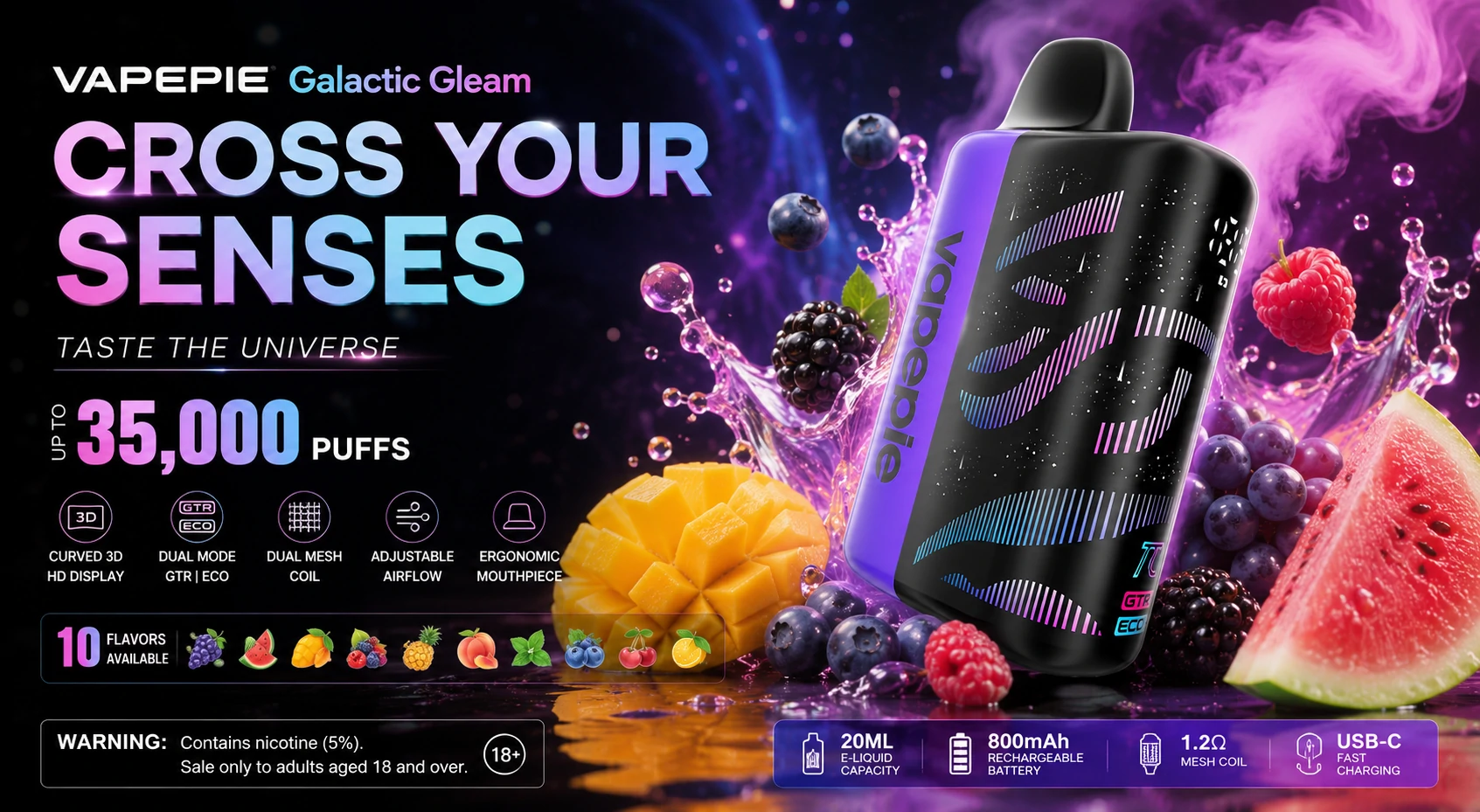
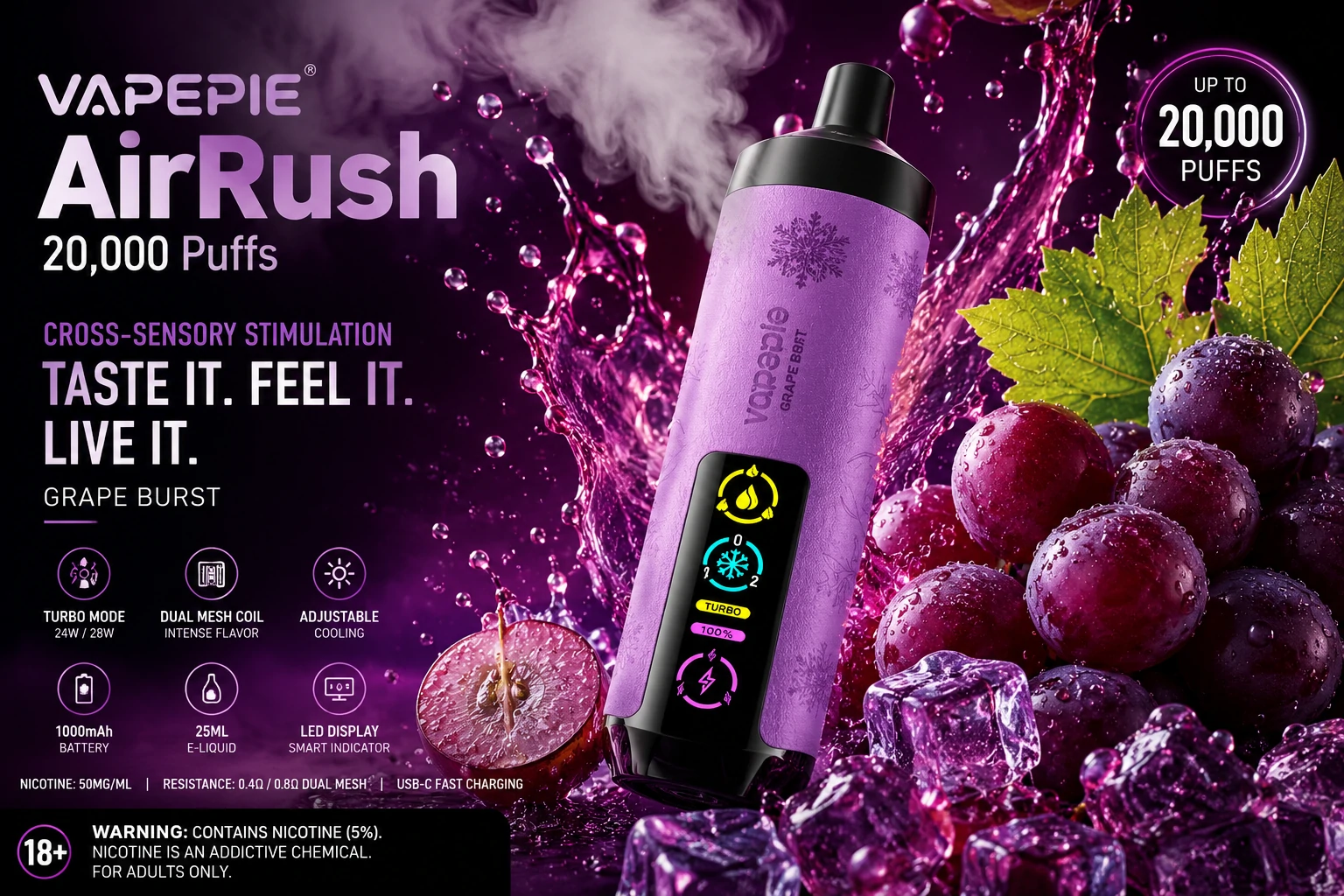
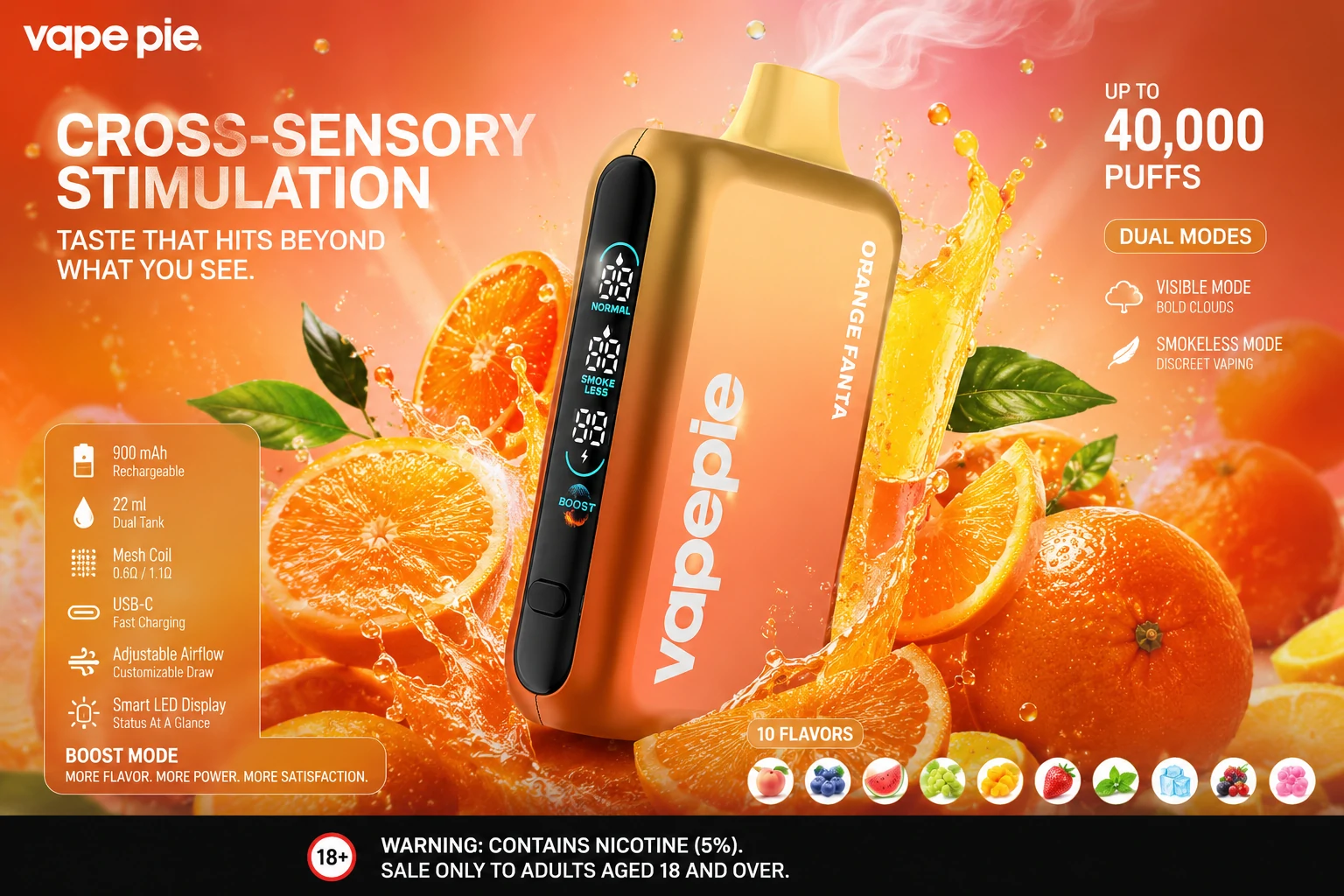
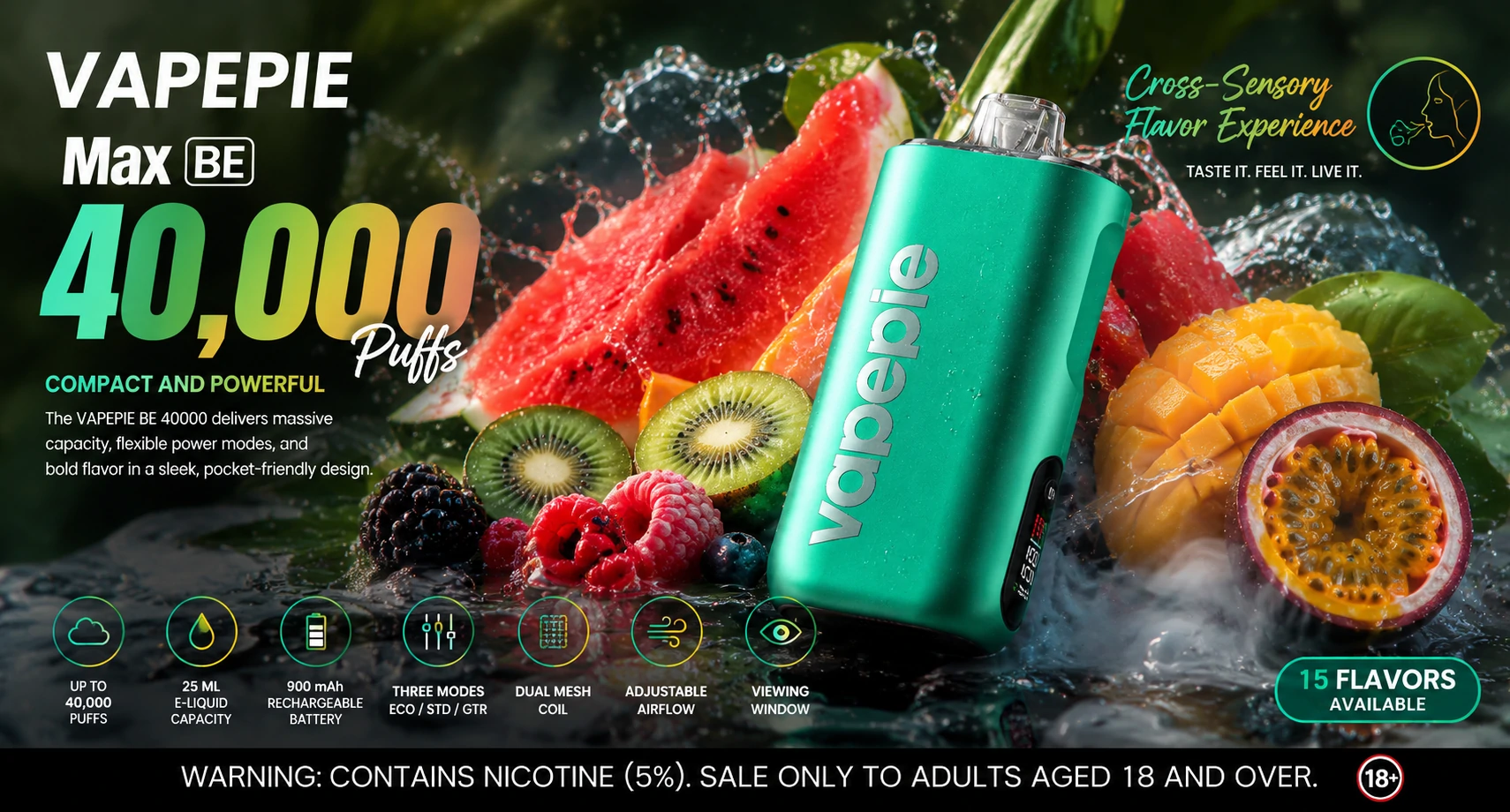
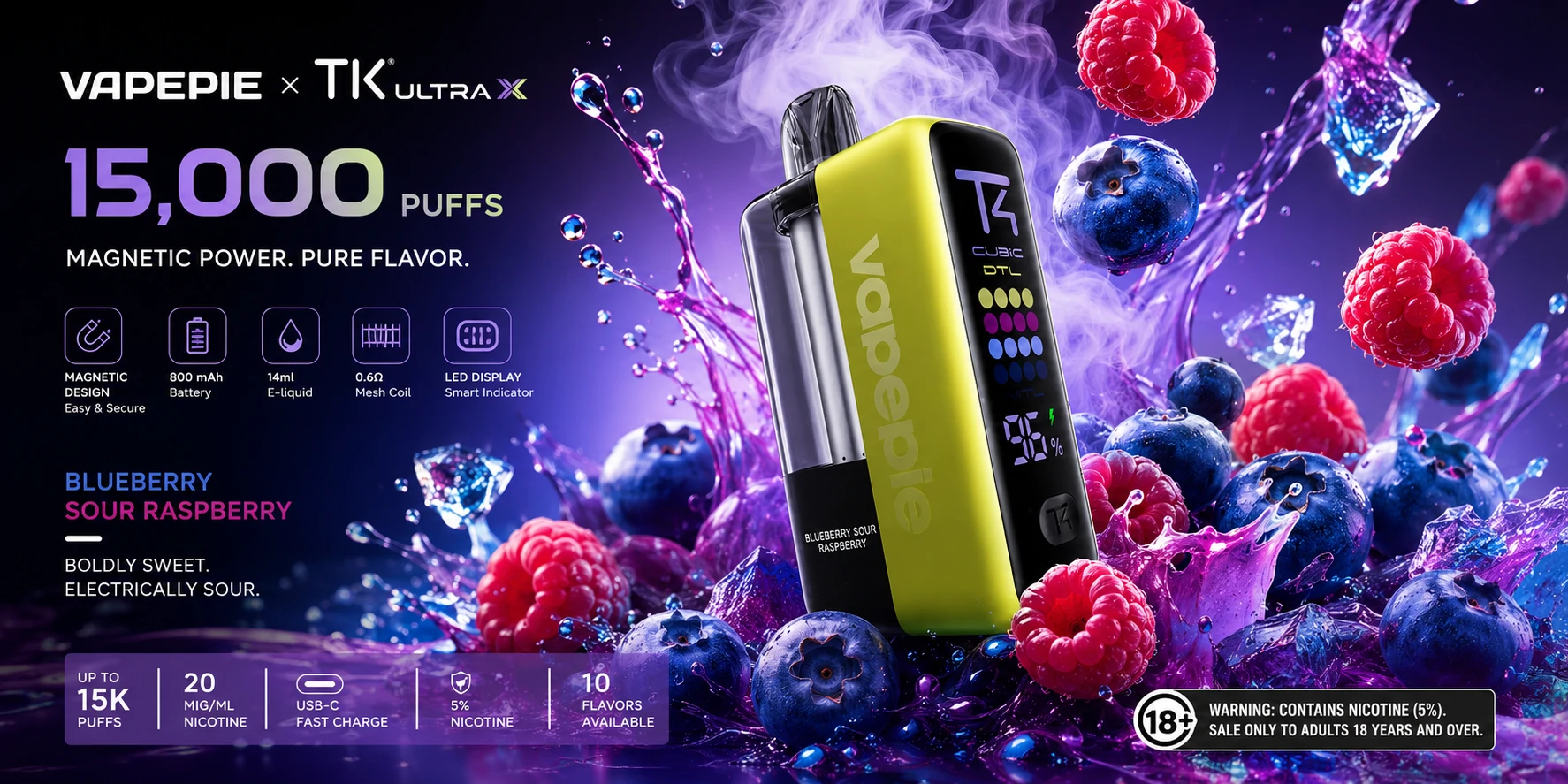
Explore VAPEPIE devices
Select a product to view details, highlights, and technical specifications.