The Illicit Evolution: How Black-Market Vapes Are Getting Better—and More Dangerous
As the legal vaping market is restricted, the illicit market is innovating. Counterfeit products are becoming harder to distinguish from legitimate ones. The quality is improving. The safety is not. The illicit evolution is a public health threat manufactured by regulation.
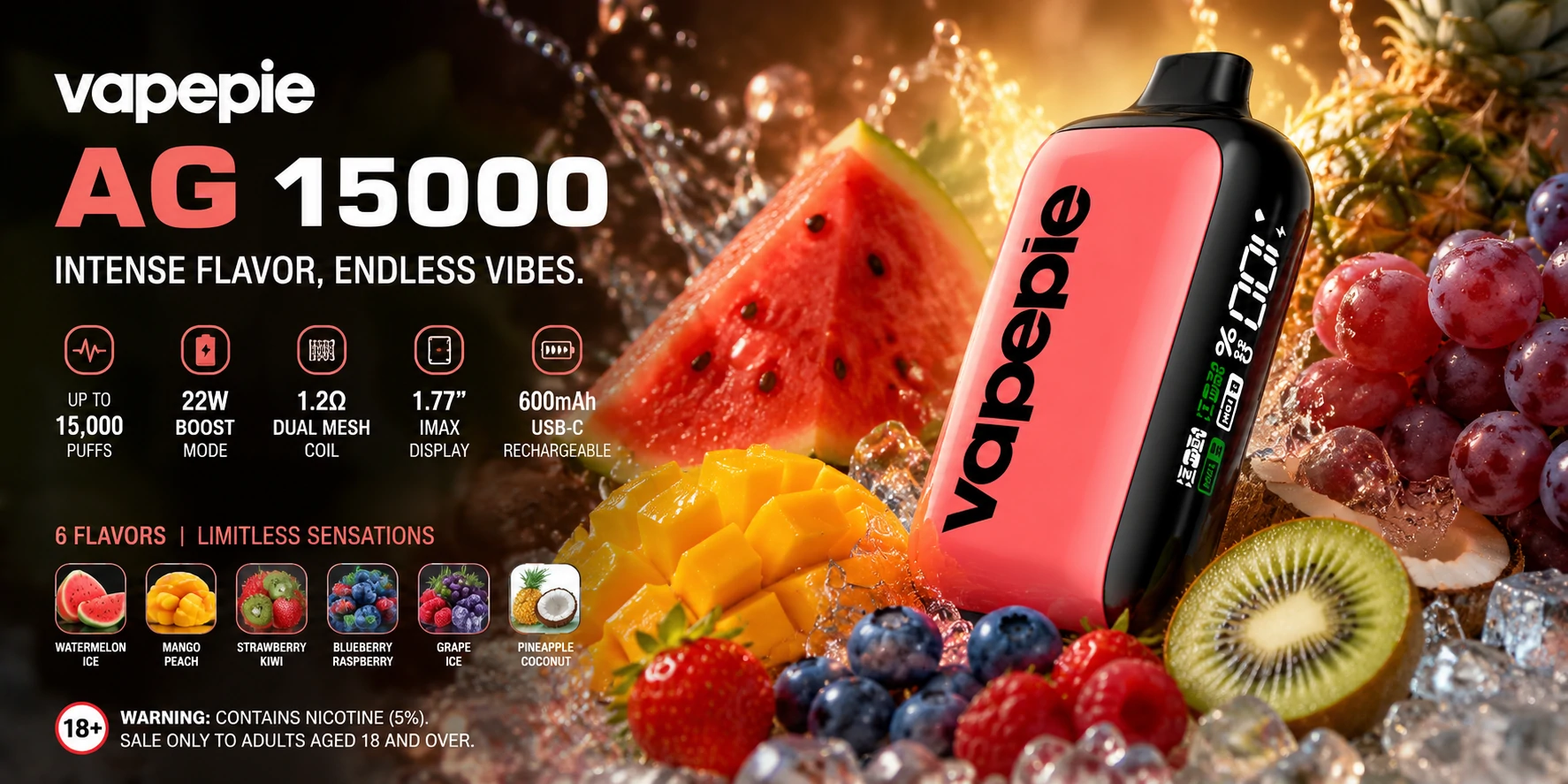
The counterfeit Elf Bar is indistinguishable from the legitimate one—same packaging, same branding, same flavor name. The only difference is what's inside: the counterfeit uses cheaper nicotine, lower-quality flavor compounds, and a battery that hasn't passed safety testing. The consumer who buys it at a corner store, or from a website, or from a friend of a friend has no way to know that the product they're inhaling is not the product they think they're buying. **The illicit vaping market is evolving—becoming more sophisticated, more professional, and harder to distinguish from the legal market. The evolution is a public health threat that has been manufactured by the regulatory restrictions that created the illicit market in the first place.**
**The illicit market has followed the classic trajectory of prohibition-era industries.** Phase 1: small-scale opportunists fill the gap left by legal suppliers. Phase 2: organized networks develop supply chains, distribution channels, and quality control (to the extent that illicit markets have quality control). Phase 3: the products become sophisticated enough to compete with—and in some cases outperform—the legal alternatives on price, availability, and consumer experience. **The illicit vaping market is in Phase 3. The products are getting better—more consistent, more appealing, more professionally packaged. The only dimension on which they're not improving is safety—because safety requires regulatory oversight, and the illicit market, by definition, has none.**
**The regulatory response has been to increase enforcement—more warning letters, more seizures, more criminal referrals.** But enforcement against a market of this scale is a game of whack-a-mole: every supplier that's shut down is replaced by two more, every shipment that's seized is replaced by the next container. The illicit market exists because the legal market is not meeting consumer demand. **The solution is not more enforcement. It's a legal market that is accessible enough, affordable enough, and diverse enough to compete with the illicit alternative. The illicit vaping market was created by regulation. It can only be eliminated by better regulation.**
**💬 Have you ever unknowingly purchased a counterfeit vaping product? How could you tell—or couldn't you? Should the regulatory response to the illicit market be more enforcement, or a more accessible legal market?**