Teenagers who want to quit nicotine are unlikely to call a quitline or visit a counselor. They are likely to use digital tools—apps, text programs, chatbots. Developing youth-centered digital cessation is a public health priority that is severely underfunded.
Illicit cigarettes follow routes as established as any legitimate trade: from low-tax jurisdictions to high-tax ones, through free-trade zones and porous borders. The smuggling routes are well-mapped. The enforcement is perpetually one step behind.
New York's cigarette tax is among the highest in the US. Pennsylvania's is among the lowest. The result: a cross-border trade that undermines both states' policies. Tax harmonization is the obvious solution—and politically impossible.
Motivational interviewing is a counseling technique that helps smokers resolve their ambivalence about quitting—without pressure, without judgment, without 'you should.' The evidence for MI is strong. Its use in routine care is minimal.
Most quit attempts end in relapse. A relapse prevention plan—identifying high-risk situations, developing coping strategies, and planning for lapses—reduces the risk. The plan is more important than the quit method.
Nicotine consumer advocacy was once driven by personal testimony—'vaping saved my life.' It's increasingly driven by evidence—systematic reviews, population data, and policy analysis. The shift from testimony to evidence is transforming consumer advocacy's credibility.
The visible cloud exhaled by a vaper is mostly water, propylene glycol, and glycerin. The invisible fraction—the ultrafine particles, the thermal degradation products—is where the risk lives. The cloud you see is not the cloud that matters.
As cigarette volumes decline, the financial viability of some companies is in question. A major bankruptcy would reshape the nicotine landscape overnight—disrupting supply chains, triggering litigation, and concentrating the market further.
industry changesbankruptcyfinanceriskconsolidation
The cardiovascular benefits of quitting begin within hours and accelerate over months. The heart is remarkably resilient. Some damage never fully reverses, but the recovery is faster and more complete than most smokers realize.
Writers smoke. The tradition extends from Sartre to Didion to Murakami. The cigarette is a tool of the craft—a cognitive enhancer, a ritual companion, a marker of the writer's identity. The tradition is romanticized and lethal.
School assemblies will be replaced by peer-produced TikTok content. Fear-based messaging by honest risk communication. Abstinence-only by harm reduction. The digital prevention future is more effective, more youth-centered, and more politically contested.
Future archaeologists will find cigarette filters in landfills, nicotine residue in sediments, and the isotopic signatures of tobacco in human remains. The material legacy of the cigarette era will persist for centuries. What story will it tell?
Age restrictions are only as good as their enforcement. The evidence on what works: compliance checks, retailer licensing with meaningful penalties, and restrictions on proxy purchasing. The evidence on what doesn't: warning letters and voluntary industry programs.
Smokers don't just experience stigma from others. They internalize it—believing they are weak, irresponsible, and morally deficient. Self-stigma is a stronger predictor of failed quit attempts than nicotine dependence severity.
The majority of quit attempts use no pharmacological support—cold turkey. The success rate: 3-5%. With NRT: 15-25%. The gap between the most common and the most effective methods is a public health failure of communication and access.
The nicotine policy landscape is stuck. Six evidence-based reforms—risk-proportionate regulation, honest communication, consumer participation, streamlined authorization, equitable taxation, and just transition—could unstick it.
Most vaping devices are designed to be replaced, not repaired. The right-to-repair movement has come for phones and tractors. It hasn't come for vapes—yet. A repairable vape would be better for consumers and better for the environment.
PMI pledges carbon neutrality by 2030. BAT has science-based targets. The pledges are real investments. They're also strategies for legitimacy. The nicotine industry's climate commitments reveal the complexity of corporate transformation.
Genetic variation affects response to every smoking cessation medication. CYP2A6 genotype predicts NRT response. CHRNA5 genotype predicts varenicline response. Personalized cessation—matching the treatment to the patient's genetics—is the future of quitting.
Actors smoke at elevated rates—driven by the culture of performance, the irregular hours, and the cigarette's role as a prop and a coping mechanism. The actor-smoker relationship illuminates the intersection of creativity, identity, and addiction.
Media literacy programs teach students to analyze and resist advertising. Applied to nicotine, they help young people recognize the marketing strategies that target them. Advertising literacy is one of the most promising—and underfunded—youth prevention approaches.
When tobacco leaves a rural community, what replaces it? The question has no single answer. Some communities find new crops, new industries, new identities. Others decline. The rural development challenge is the economic dimension of the tobacco transition.
The PMTA process costs $1-10 million per product. State licensing, age verification, and reporting requirements add thousands more. The compliance costs of nicotine regulation create a market accessible only to the largest corporations.
Nicotine use produces pleasure—and guilt about the pleasure. The combination of pleasure and guilt is psychologically destabilizing, making nicotine use simultaneously more appealing (the forbidden fruit) and more distressing (the shame).
consumer psychologypleasureguiltshameemotion
Products
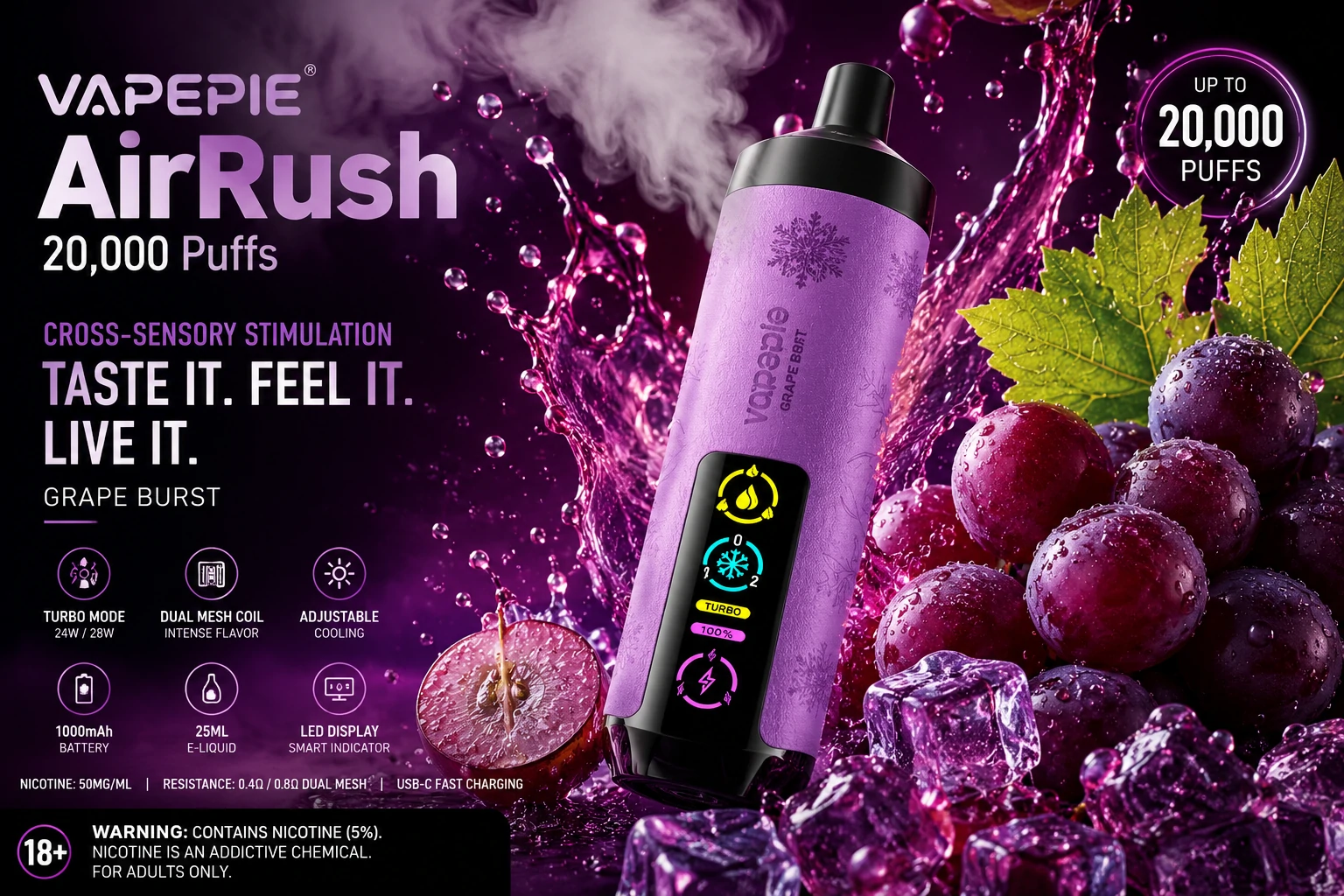
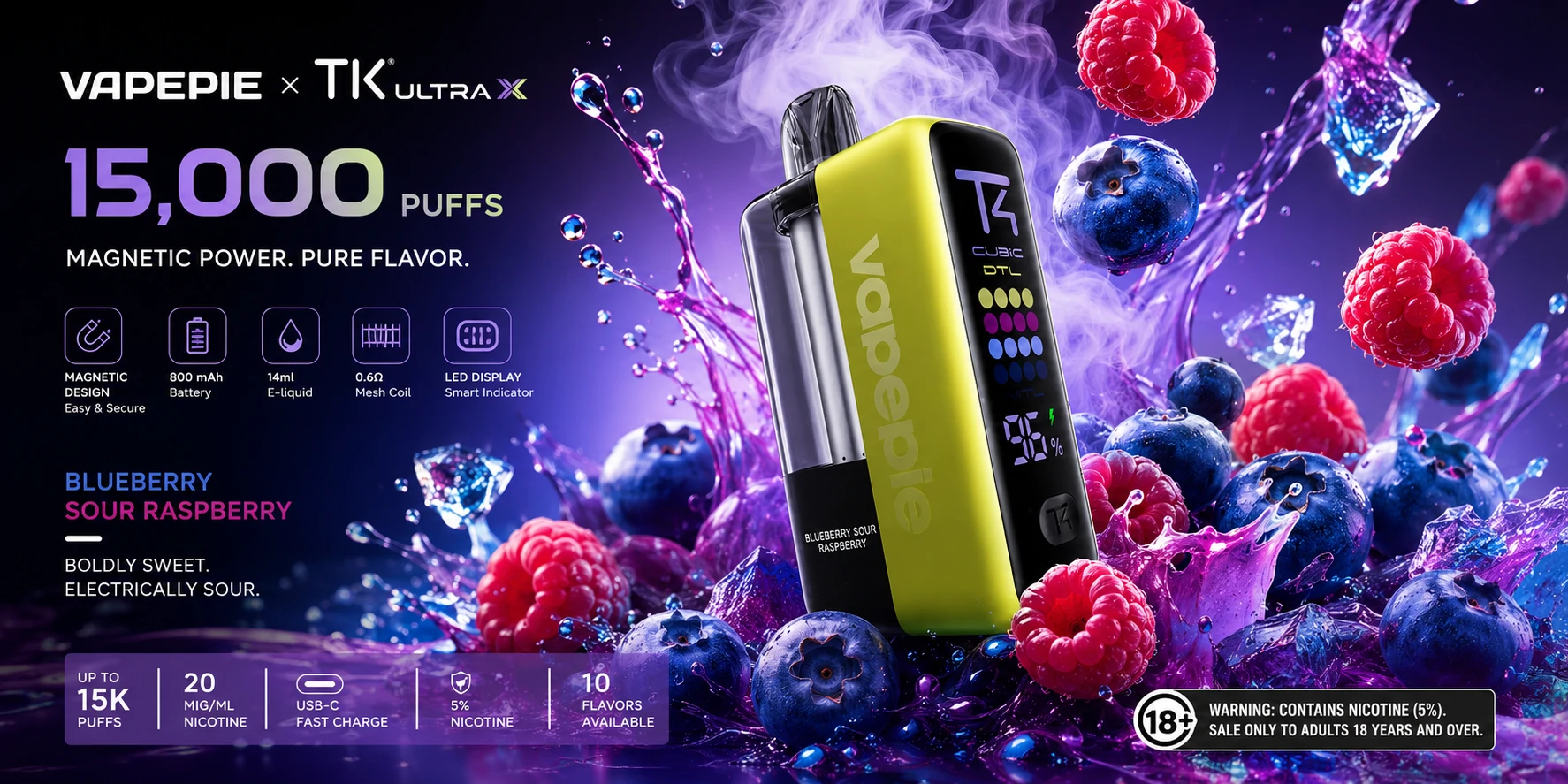
Explore VAPEPIE devices
Select a product to view details, highlights, and technical specifications.