The nicotine debate has exposed a crisis of expertise: when the public doesn't trust the experts, and the experts don't trust the public, how should health policy be made? The answer requires democratization—sharing authority with the communities policy affects.
public healthdemocratizationexpertisetrustgovernance
Vape coils are made of kanthal, nichrome, stainless steel, or titanium. Each metal has different heating properties—and different potential for releasing metal particles into the aerosol. Coil science is a neglected dimension of vaping safety.
The vaping industry faces an existential threat from litigation—thousands of lawsuits, billions in settlements. The regulatory system shapes which products can be sold. The litigation system shapes which companies can survive.
The risk of smoking-related cancers begins to decline immediately after quitting—but the decline is slow. Lung cancer risk is halved at 10 years, approaches never-smoker levels at 20. The body heals. Some damage is permanent.
Auto mechanics have historically smoked at high rates—the garage was a smoke-friendly environment. Workplace bans have reduced smoking, but the culture of the trade persists. The mechanic's cigarette is a story of occupational change.
Adolescents who use nicotine are rarely offered cessation support—because the healthcare system isn't designed to reach them. Integrating cessation into routine adolescent care—pediatric visits, school health, mental health services—would change that.
Tobacco barns are collapsing across the American South. Cigarette factories are being converted into condos. The physical heritage of the tobacco era is disappearing—and the decisions about what to preserve are being made by default.
Countries adopt nicotine policies not just based on domestic evidence, but on international norms—what 'responsible' countries do. The FCTC shapes those norms. Changing the norms requires changing the FCTC.
Shame doesn't help smokers quit. It makes them hide, avoid help, and believe they're incapable of change. Shame resilience—the ability to resist internalizing stigma—is a skill that can be learned and a tool for successful cessation.
In-person cessation groups are declining. Online communities—Reddit, Facebook groups, Discord servers—are growing. The digital support group is accessible 24/7, anonymous, and peer-led. It's also unregulated, variable in quality, and unstudied.
As smoking declines, the tobacco control establishment faces an existential question: what is its mission in a post-smoking world? The answer will determine whether the institutions that fought the cigarette can adapt to the reduced-risk landscape.
Vape battery explosions are rare but devastating. The causes: improper charging, damaged batteries, and mechanical mods without protection circuits. Battery safety is a design issue and a consumer education issue—and both are underaddressed.
While smoking declines in the West, cigarette sales are stable or rising in parts of Africa, the Middle East, and Southeast Asia. The industry's pivot to emerging markets is a strategic shift with profound public health implications.
industry changesemerging marketsLMICgrowthstrategy
Smoking suppresses the immune system—reducing its ability to fight infection and increasing inflammation. After quitting, immune function begins to recover within weeks. The immune system is among the first body systems to respond to cessation.
The restaurant kitchen is one of the last workplaces where smoking culture persists. The stress, the hours, and the tradition of the 'family meal' cigarette break sustain nicotine use among cooks. The kitchen is a refuge—and a trap.
Current youth prevention says: nicotine is addictive and harmful. Honest prevention would add: delivered without combustion, nicotine is dramatically less harmful than smoking. The honest approach is more credible—and more effective. It's also politically toxic.
Tobacco farmers who own their land have options—they can switch crops, sell, or diversify. Farmers who rent or sharecrop have no options—the landowner decides. Land tenure is the invisible determinant of tobacco transition.
Regulatory impact analysis requires agencies to estimate the costs and benefits of proposed regulations. For nicotine, it's rarely done—and when it is, the analysis is selective. A rigorous RIA requirement would change policy.
A 'nudge' makes the healthy choice easier without restricting options. A 'shove' eliminates options. Nicotine policy increasingly relies on shoves—flavor bans, product restrictions, prohibition. The ethics of the shove are contested.
CYP2A6 genotype predicts NRT response. CHRNA5 genotype predicts varenicline response. Pharmacogenetic testing for smoking cessation is technically feasible, clinically useful, and almost never done. The barrier is not science. It's implementation.
Nicotine policies are rarely evaluated—and when they are, the evaluation criteria are contested. A proper evaluation framework would include: smoking prevalence, health outcomes, equity effects, unintended consequences, and consumer acceptance.
Vape aerosol dissipates faster than cigarette smoke—but it's not harmless. Secondhand aerosol contains nicotine, ultrafine particles, and volatile organic compounds. The risks are dramatically lower than secondhand smoke—but they're not zero.
The relationship between the FDA and the nicotine industry is simultaneously adversarial (enforcement actions, warning letters), cooperative (PMTA reviews, scientific consultations), and—critics argue—captured (revolving door, industry influence). All three descriptions are partly true.
The lungs begin healing within weeks of the last cigarette: cilia recover, mucus clearance improves, and inflammation subsides. Lung function improves over months. Some damage is permanent—but the recovery is substantial and begins almost immediately.
nicotinelungrecoveryrespiratoryhealth
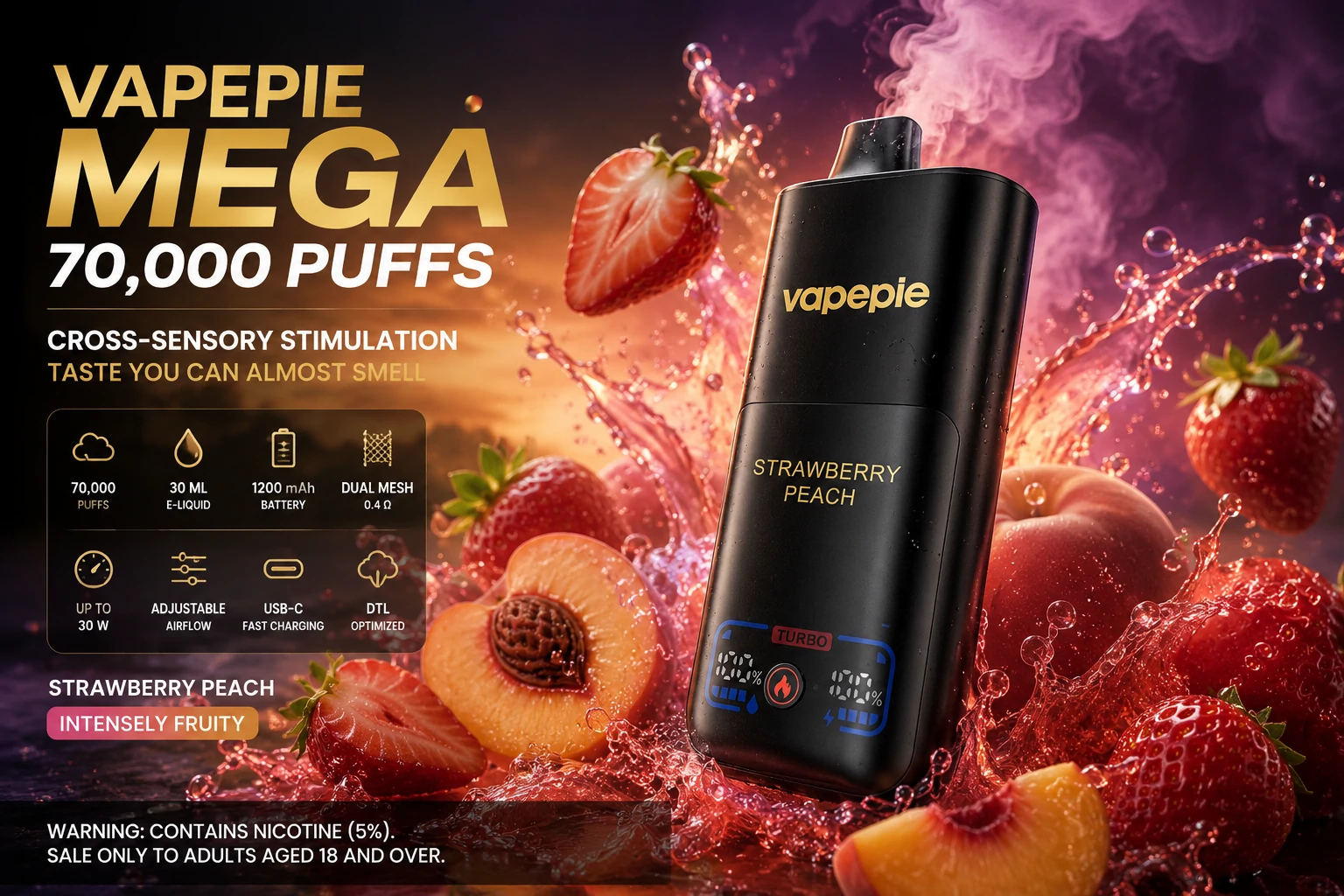
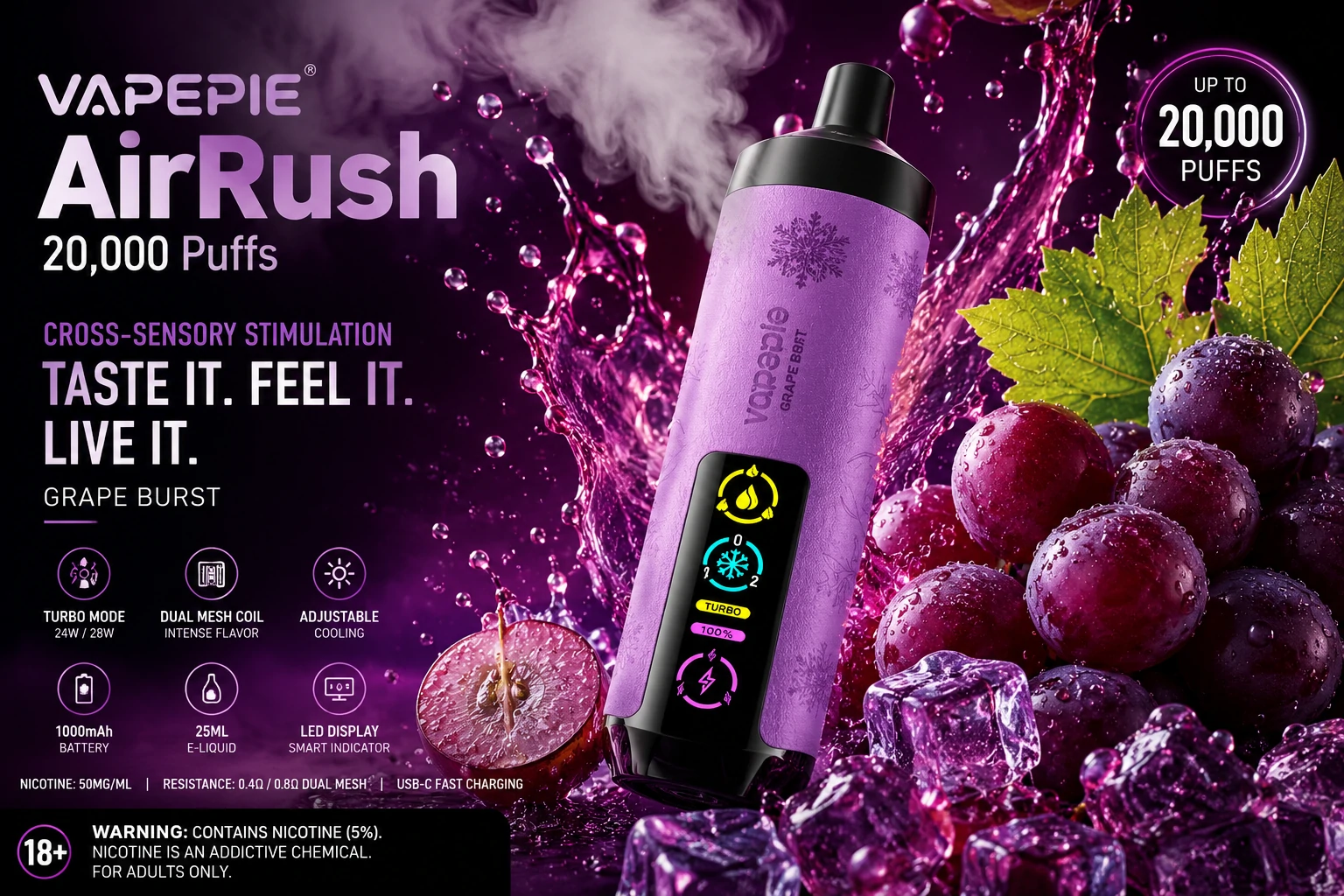
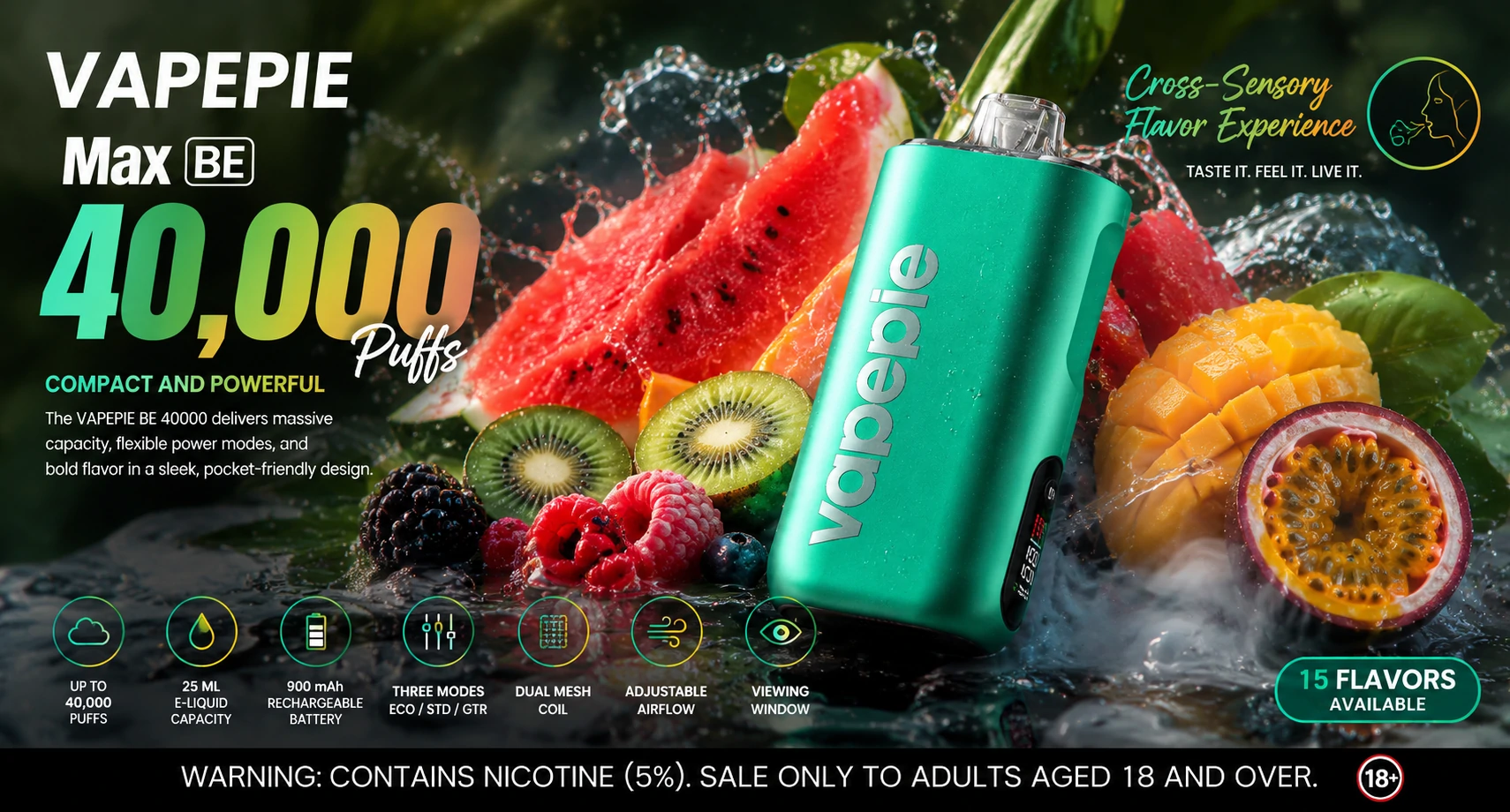
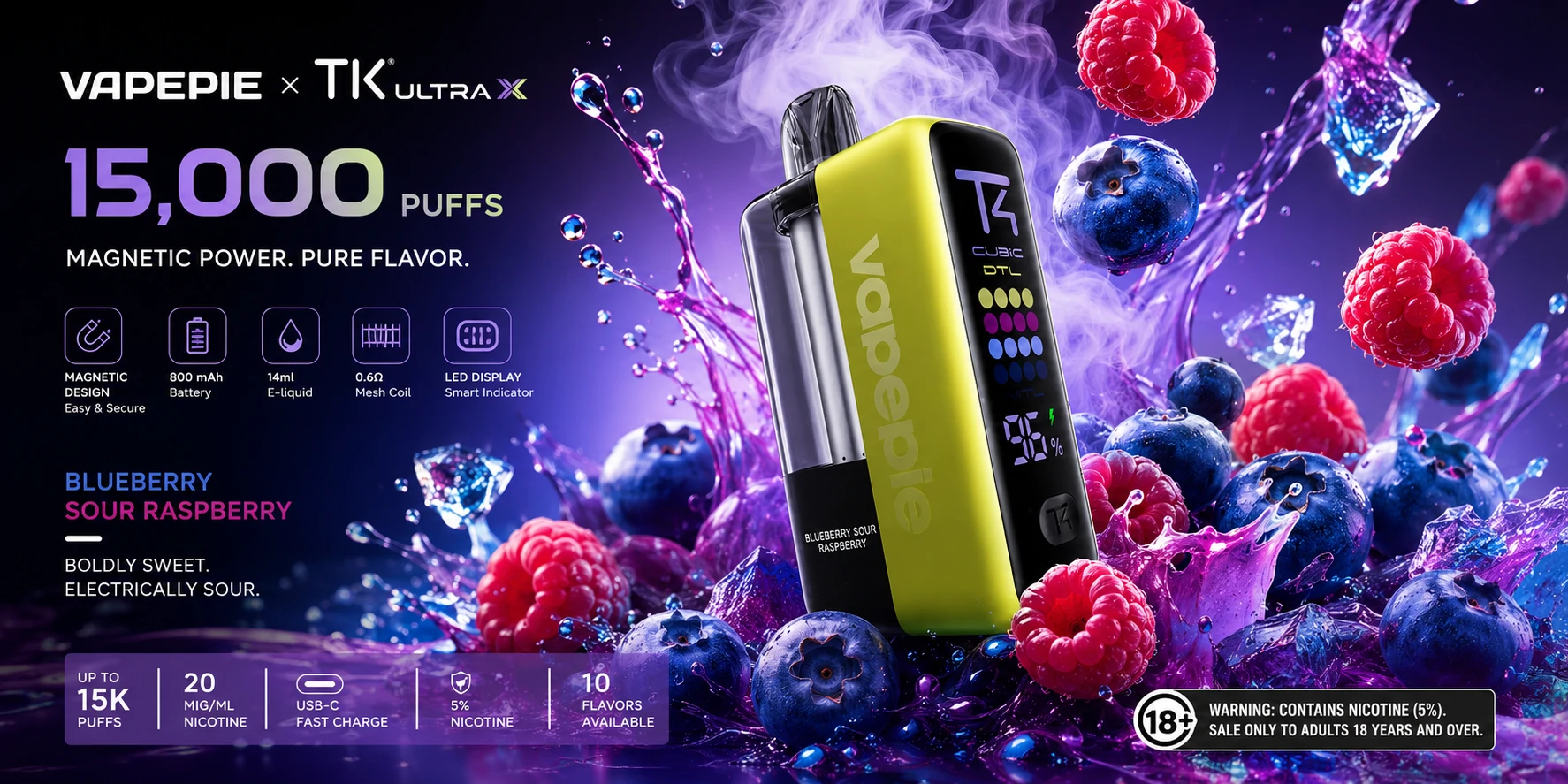
Products
Explore VAPEPIE devices
Select a product to view details, highlights, and technical specifications.