Why e-cigarettes hook new users and create dual addiction. A deep dive into consumer behavior, industry shifts, and what it means for smokers and teens in 2025.
Vape shops are required to verify customer age. Compliance rates are variable—some shops are meticulous, others are not. Improving age verification requires technology, training, and meaningful enforcement.
Nicotine companies collect vast amounts of data on their consumers: purchase history, usage patterns, device telemetry. The data enables personalization—and poses privacy risks. The consumer data economy in nicotine is unregulated.
Nicotine increases metabolic rate by 5-10%. When nicotine is removed, metabolism slows and weight gain follows. Managing the metabolic transition—through diet, exercise, and pharmacological support—is essential to successful cessation.
Police officers smoke at elevated rates—driven by stress, shift work, and the culture of law enforcement. The officer's cigarette is a coping mechanism for a uniquely demanding profession.
Most adolescents don't use nicotine. Understanding why—the protective factors that build resilience—is as important as understanding why some do. Resilience factors include: parental monitoring, school connectedness, and alternative sources of meaning.
Tobacco is a global commodity—prices set by international markets, not local conditions. Farmers have no control over prices. The global market shapes their livelihoods—and its decline will shape their futures.
Regulatory capture—the domination of regulators by the regulated—is a constant risk. Preventing it requires structural safeguards: transparency, accountability, and the inclusion of affected communities in regulatory processes.
New Zealand's generational ban. The UK's risk-proportionate framework. Sweden's snus exception. Canada's plain packaging. The world is experimenting with nicotine policy—and the experiments are producing evidence about what works.
Quitting smoking is one of the hardest things a person can do. Celebrating milestones—day 7, day 30, day 365—reinforces identity, builds momentum, and provides motivation. The celebration is not trivial. It's therapeutic.
Nicotine policy is made by institutions that are accountable to almost no one for the consequences of their decisions. Accountability mechanisms—independent review, consumer participation, transparency requirements—would change that.
public healthaccountabilitymechanismsgovernancereform
The vaping community—enthusiasts, advocates, shop owners—has been transformed by regulation. Some elements have survived: online communities, advocacy organizations, the DIY underground. Much has been lost: the vape shop as community hub, the open innovation ecosystem.
The first generation of synthetic nicotine was chemically identical to tobacco-derived nicotine. The next generation—nicotine analogs, isomers, and derivatives—could offer different pharmacological profiles. The regulatory system has no framework for it.
industry changessyntheticinnovationchemistryregulation
Nicotine withdrawal dysregulates mood—irritability, anxiety, depression. Recovery is gradual: mood stabilizes over weeks to months. The emotional volatility of early cessation is temporary. The mood on the other side is better than during smoking.
Nurses smoke at rates comparable to the general population—despite witnessing the consequences of smoking daily. The nurse-smoker embodies the contradiction of addiction: knowledge does not equal immunity.
Most youth nicotine users want to quit. Almost none have access to cessation support. The barriers: cost, confidentiality, and the absence of youth-specific programs. The demand exists. The supply does not.
Some tobacco farmers have successfully transitioned to alternative crops. Their stories reveal the conditions that make transition possible: access to markets, technical assistance, and the financial resources to survive the transition period.
Future generations will look back at the cigarette era the way we look at leaded gasoline, asbestos insulation, and radium water—a public health catastrophe that was tolerated far too long because the industry that profited from it was too powerful to stop.
Most quit attempts end in relapse. The relapses are not failures—they're data. Each relapse teaches something about triggers, about what didn't work, about what to try next. The relapse story is a learning tool.
Public health institutions have lost the trust of nicotine users. Rebuilding it requires specific actions: acknowledge errors, communicate honestly, include consumers, and prioritize accuracy over simplicity. The plan exists. The will does not.
The satisfaction gap—the difference between what cigarettes provide and what vaping delivers—is the central design challenge of nicotine harm reduction. Closing it requires better devices, better nicotine delivery, and better understanding of what smokers need.
e-cigarettessatisfactiongapdesigninnovation
Products
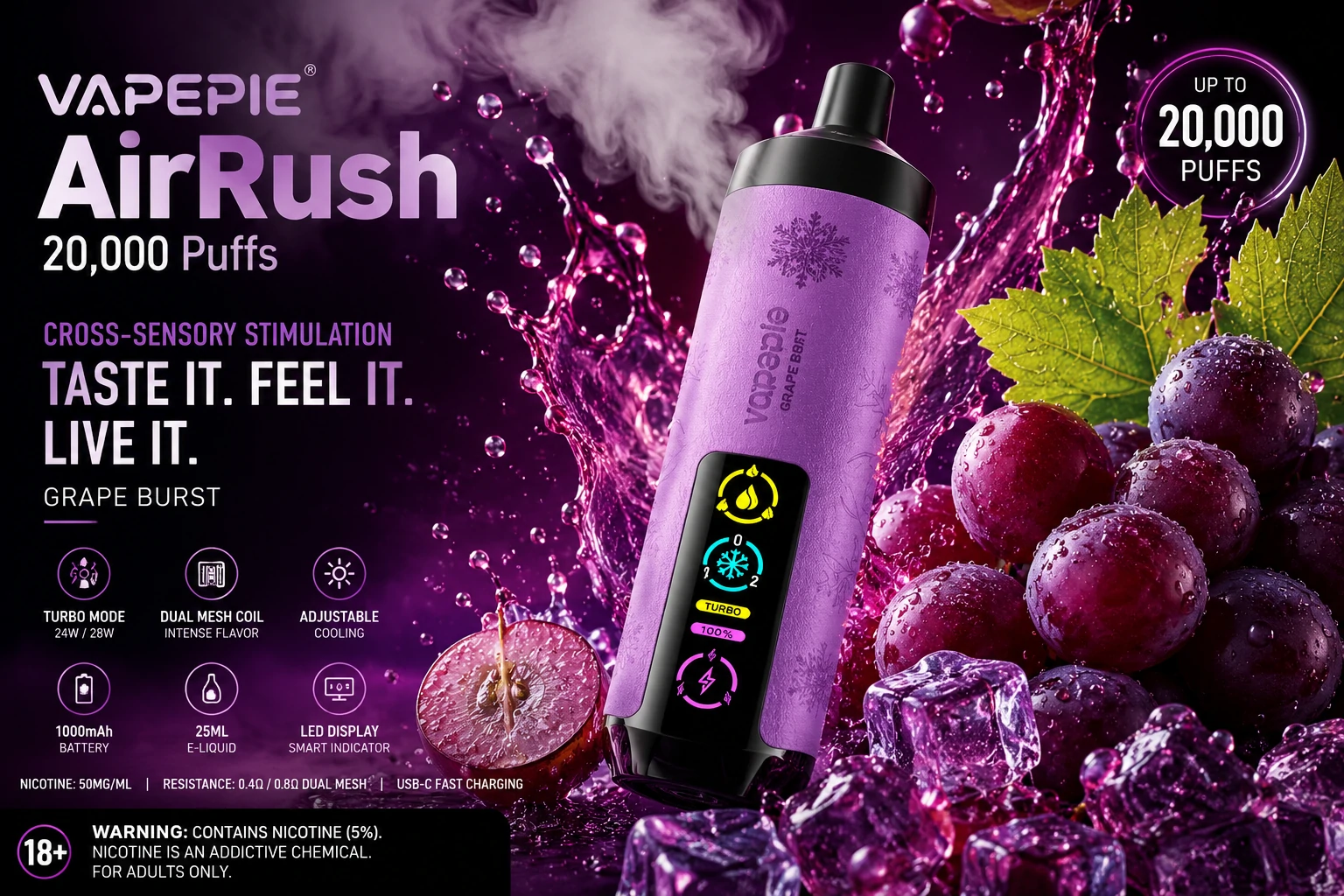
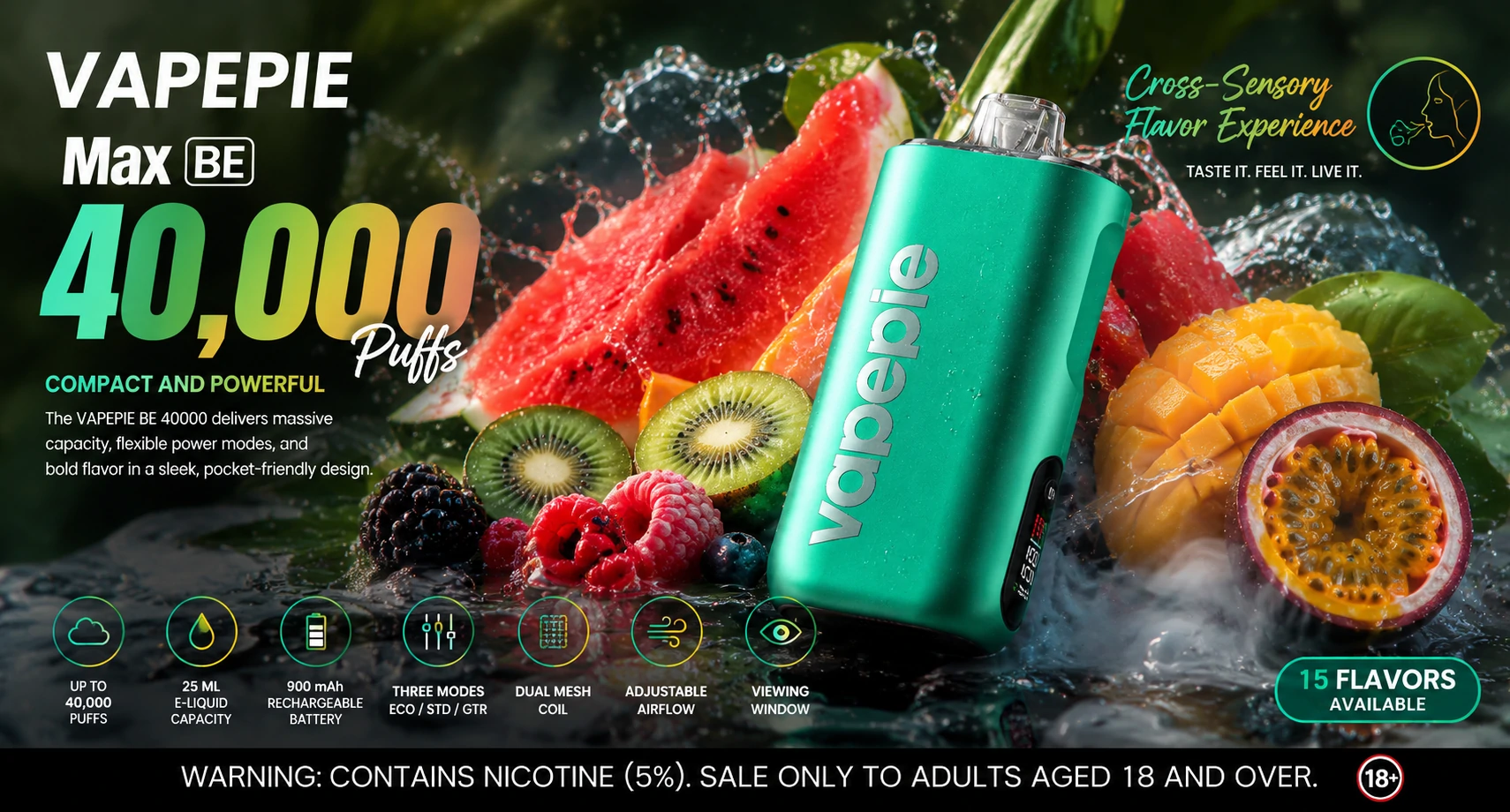
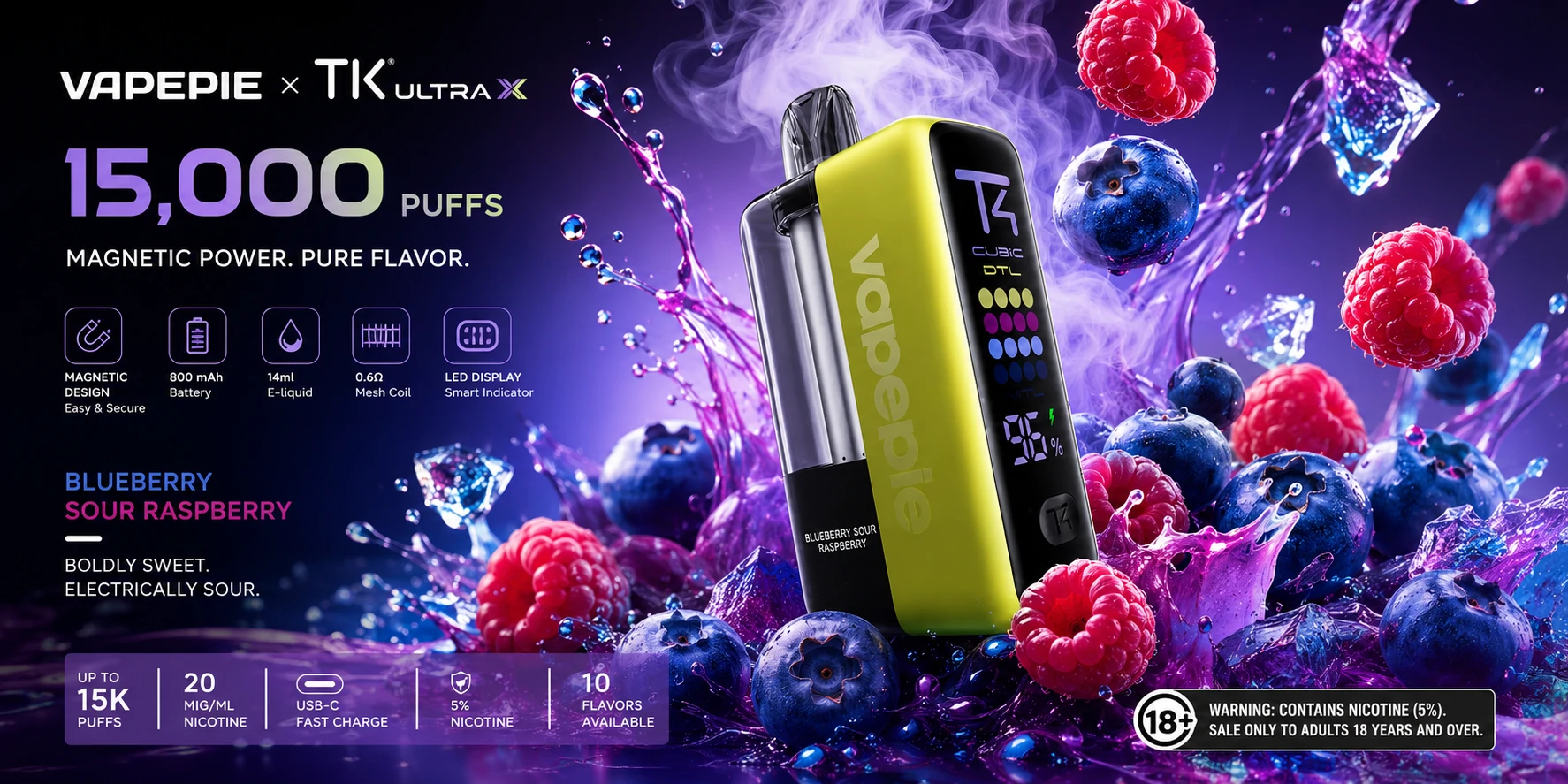
Explore VAPEPIE devices
Select a product to view details, highlights, and technical specifications.