What will the nicotine retail environment look like in 2035? The independent vape shop is an endangered species. What replaces it—and what's gained or lost in the transition?
We've focused on secondhand smoke and secondhand vapor. But what about the nicotine that settles on surfaces and circulates in indoor air? The thirdhand nicotine question is the next frontier in exposure science.
public healththirdhand smokenicotineexposureindoor air
What would a just nicotine policy look like from the user's perspective? A thought experiment in centering the people most affected by the policies we debate.
6-methylnicotine, nicotyrine, and other nicotine analogues are appearing in vaping products—and no regulatory framework is prepared for them. The next nicotine crisis isn't on the horizon. It's on the shelves.
Every nicotine debate features the same arguments, deployed by the same camps, with the same supporting evidence. Here's a guide to recognizing them—and to evaluating which ones hold up under scrutiny.
public healthdebateargumentscritical thinkingdiscourse
The FDA is advancing a plan to mandate very low nicotine levels in cigarettes, making them non-addictive. If implemented, it would be the most significant product standard in tobacco history. What happens next?
Thousands of former smokers now mix their own e-liquids, source their own nicotine, and share recipes online. The DIY movement is both a triumph of consumer empowerment and a regulatory nightmare.
The global market for smoking cessation products—NRT, pharmaceuticals, digital tools, counseling—is worth billions. The business of helping people quit is complex, competitive, and shaped by incentives that don't always align with public health.
Behind every disposable vape is a factory worker—often young, often female, often earning minimum wage in conditions that would be unacceptable in Western factories. The labor dimensions of the vaping supply chain deserve attention.
industry changeslabormanufacturingsupply chainethics
For decades, psychiatric practice treated smoking as a low-priority concern. Now, a growing movement argues that addressing nicotine dependence is as important as managing psychosis—and that harm reduction may be the most effective approach.
School nurses are on the front lines of the youth vaping crisis—and most have no training, no protocols, and no resources for treating nicotine dependence. What would an evidence-based school response look like?
As flavor bans and PMTA denials push legal products off the market, an illicit e-liquid economy is thriving. Who's making it, who's selling it, and what's actually in the bottle?
In an ideal world, no one would use nicotine. In the real world, a billion people do—and many can't or won't stop. The harm reduction paradox is that the second-best choice sometimes saves more lives than pursuing the best.
public healthharm reductionparadoxethicspragmatism
The Premarket Tobacco Product Application process was supposed to bring order to the vaping market. Five years in, it's achieved some of its goals—and produced outcomes that few anticipated.
'Tobacco-free nicotine' is one of the most powerful marketing phrases in the modern nicotine landscape. It implies purity, safety, and a clean break from the tobacco industry. The reality is more complicated.
industry changestobacco-free nicotinemarketingharm reductionregulation
The trillions of microbes in the human gut influence everything from metabolism to mood—and nicotine appears to reshape this ecosystem. The gut-lung-brain axis may help explain smoking's systemic health effects.
The tobacco industry's strategy varies dramatically across LMICs—tailored to local political economies, regulatory gaps, and cultural contexts. A tour through four regions reveals both the diversity of tactics and the consistency of the endgame.
Tobacco advertising is banned in most countries—but influencer marketing has filled the gap. The creators promoting nicotine products to millions of followers are neither regulated as advertisers nor accountable as publishers.
industry changesinfluencerssocial mediamarketingregulation
Sweden is on track to become the first smoke-free nation. The variable that explains this achievement is snus—a moist oral tobacco product that Swedish men have used for generations. The evidence is in. Is anyone listening?
The evidence on nicotine and pregnancy has advanced since the last deep dive. The ethical tensions have not resolved—they've sharpened. What's the least-worst option for the pregnant smoker who can't quit?
public healthpregnancyethicsharm reductionmaternal health
While the global debate focuses on smoking and vaping, over 300 million people in South Asia use smokeless tobacco—chewing tobacco, snuff, gutka, paan masala. It causes oral cancer at staggering rates and is almost entirely unregulated.
Nicotine salts transformed vaping—making high-nicotine e-liquids palatable, enabling the pod-device revolution, and changing the pharmacokinetics of nicotine delivery. It's a story of chemistry, commerce, and unintended consequences.
Current youth anti-vaping messaging is failing because it treats teens as rational actors who will respond to risk information. What would a neuroscience-informed, teen-centered communication strategy look like?
E-cigarettes were barely on the public health radar. The FCTC was still finding its feet. And the seeds of the modern nicotine landscape were just being planted. A look back at the year that set the stage for everything that followed.
tobaccohistory2013retrospectivenicotine
Products
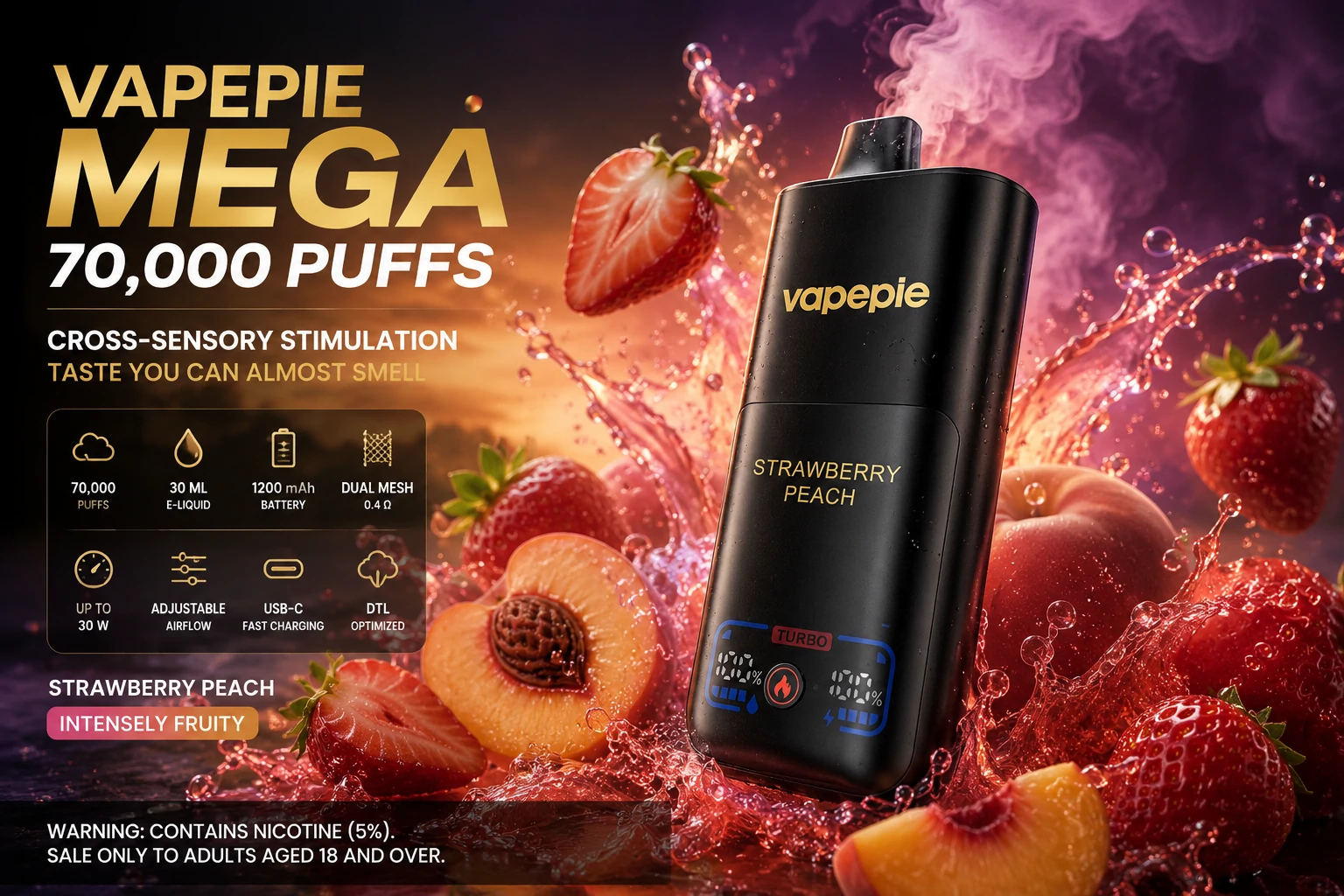
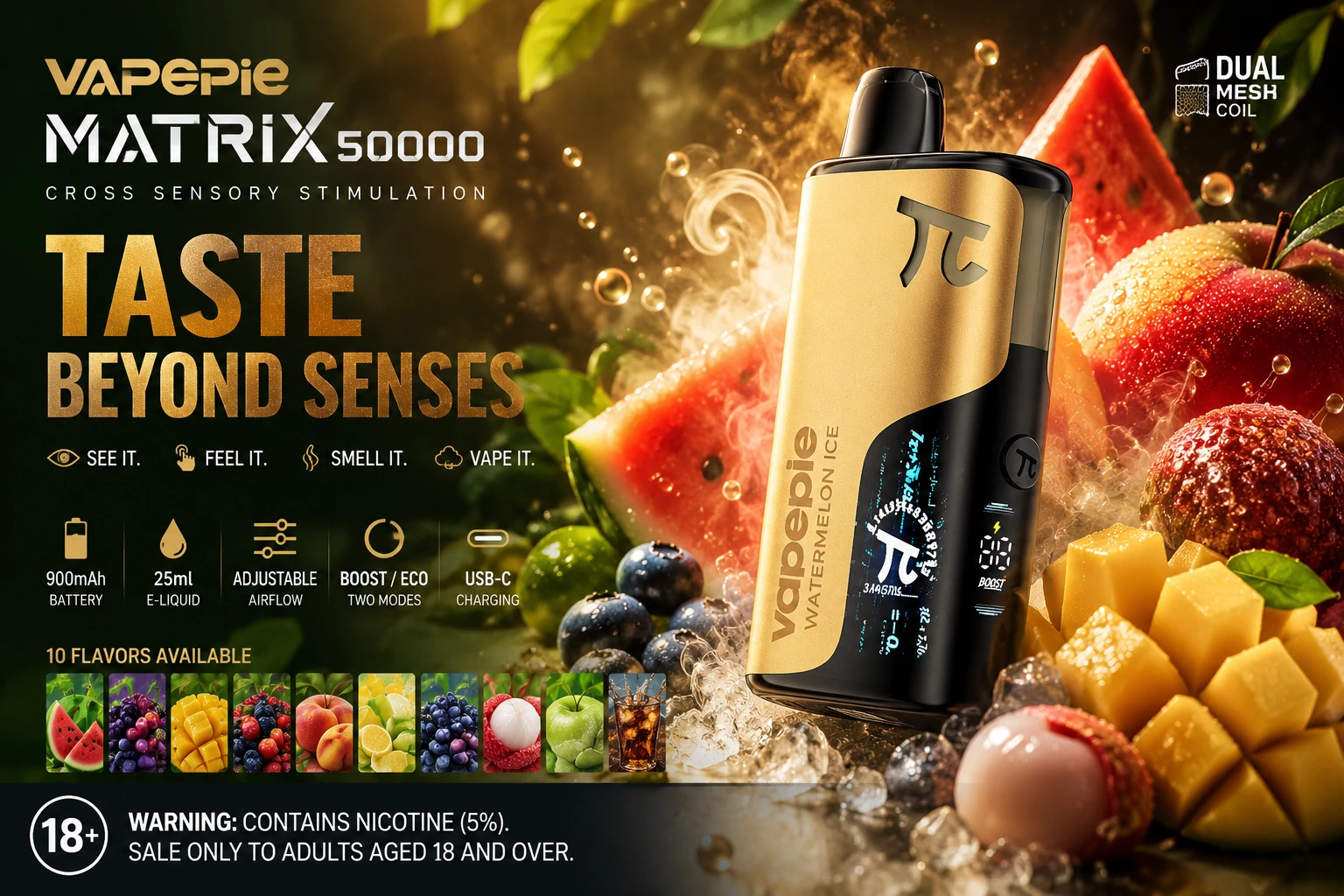
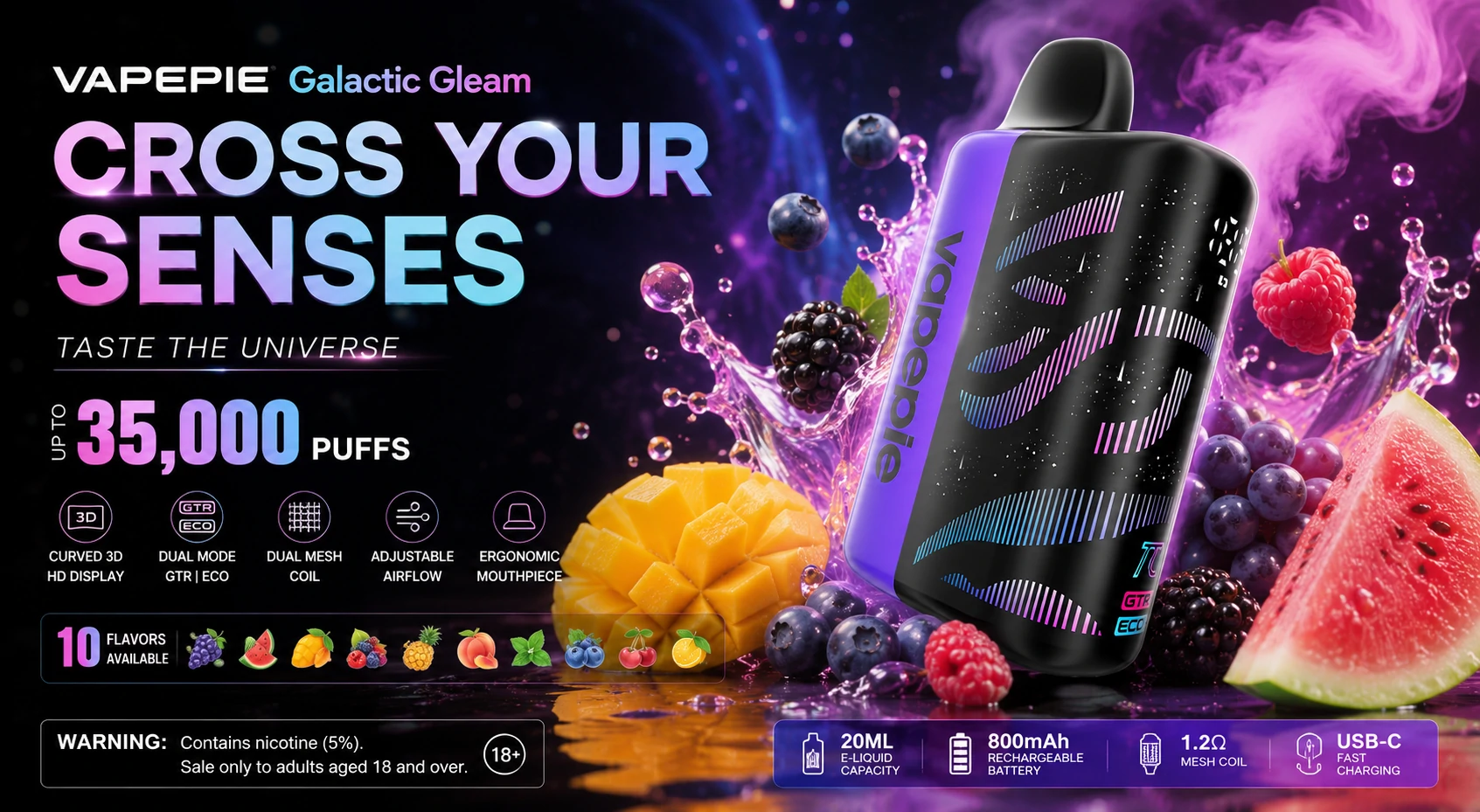
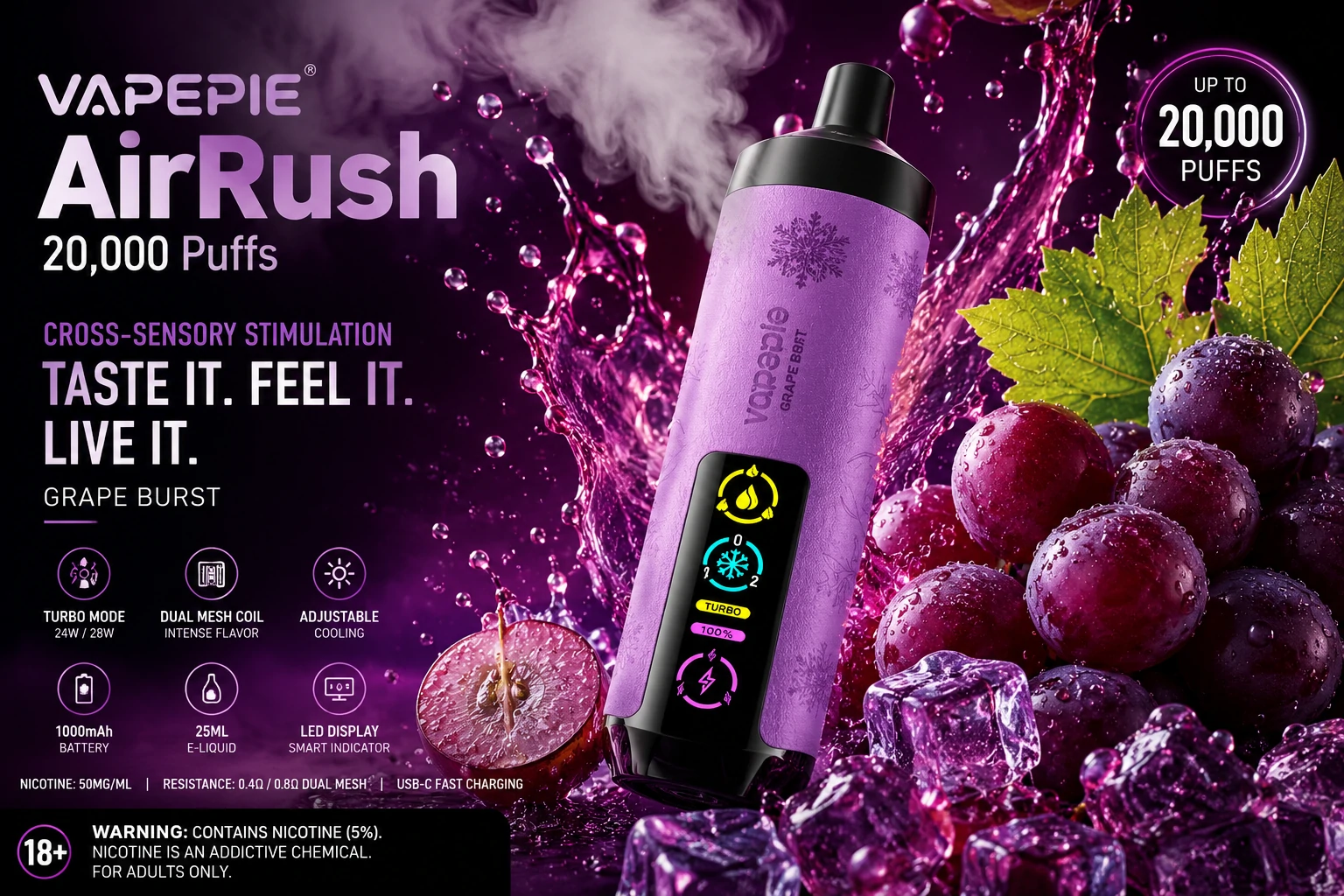
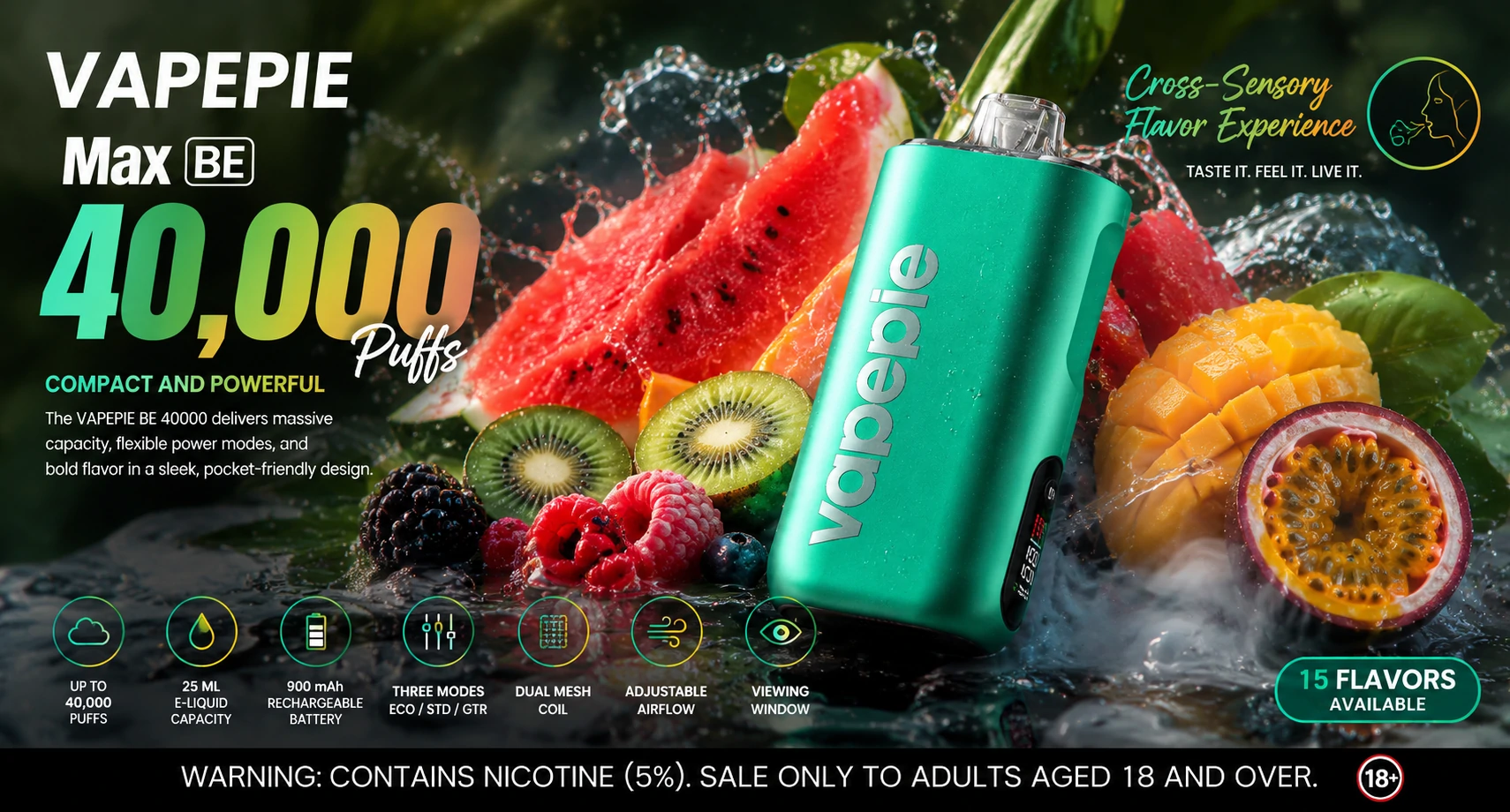
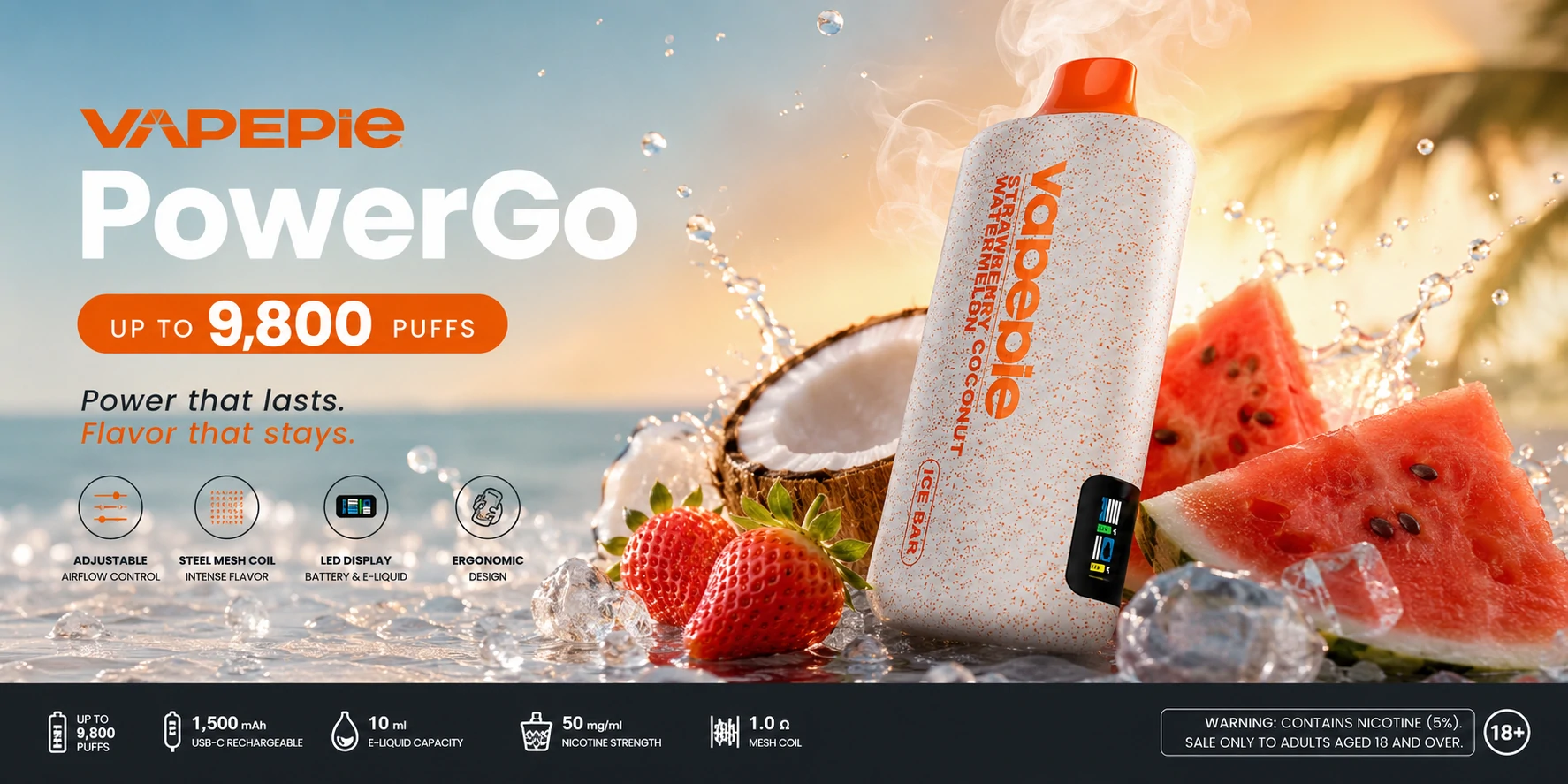
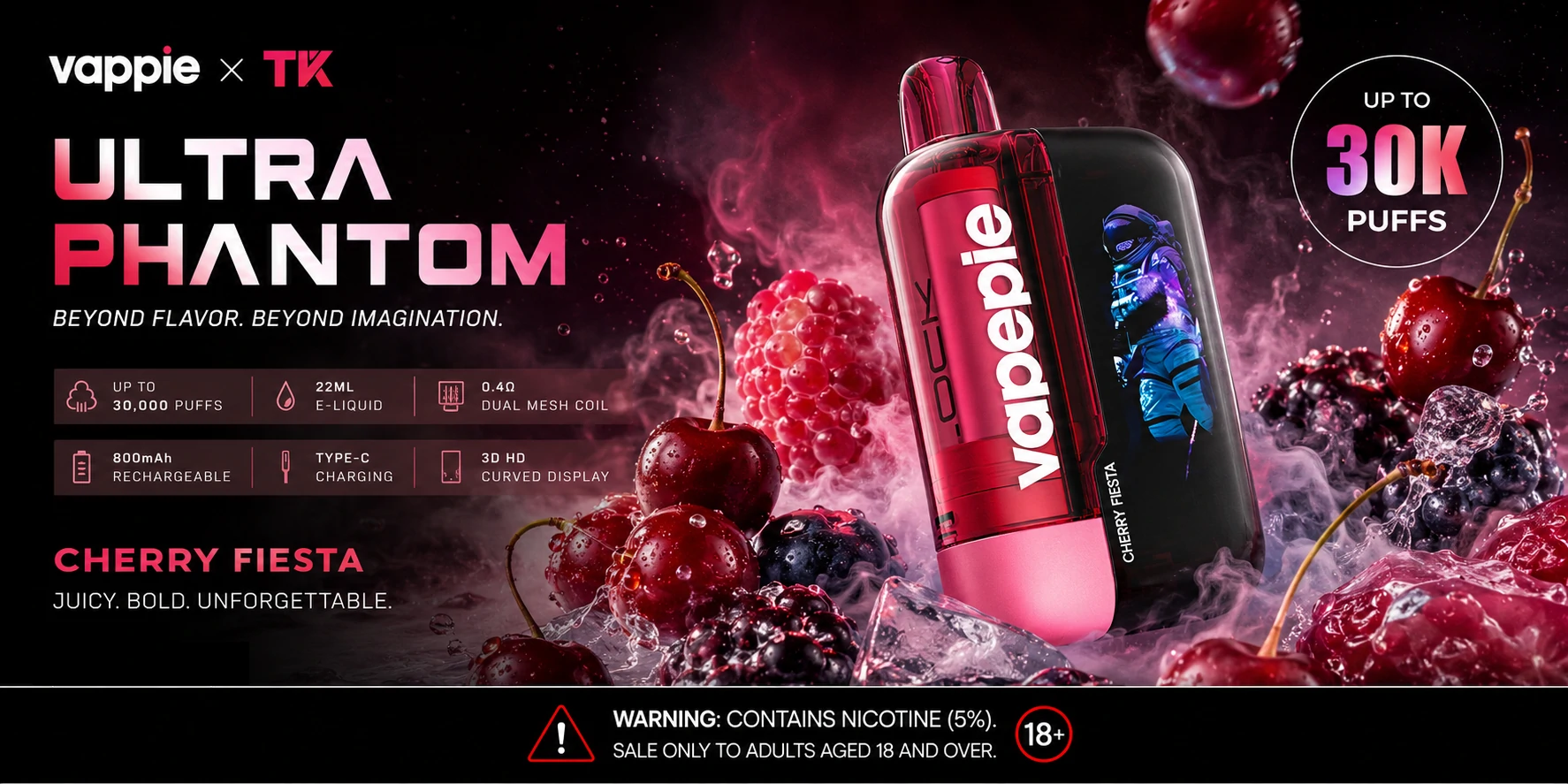
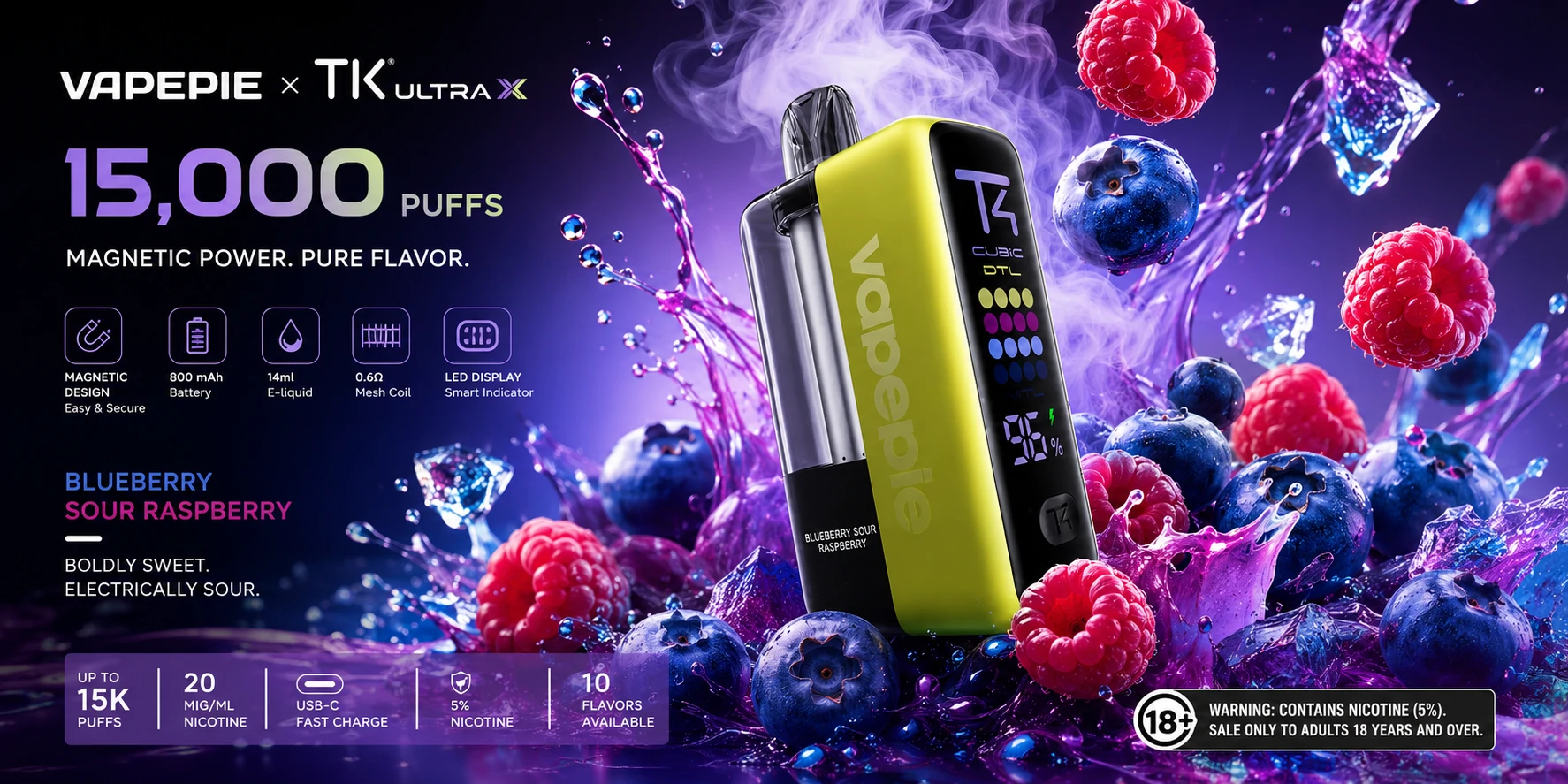
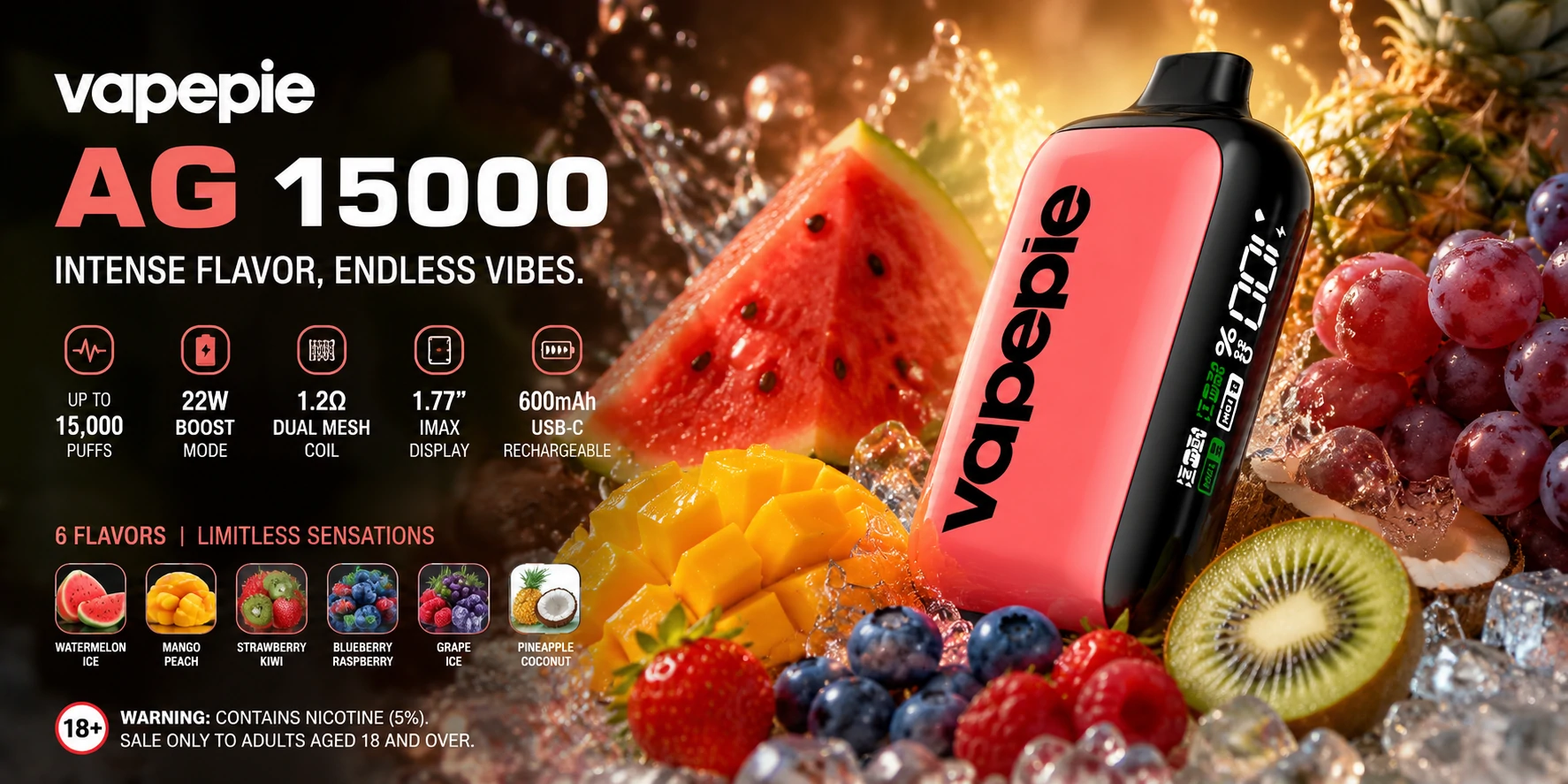
Explore VAPEPIE devices
Select a product to view details, highlights, and technical specifications.