The Shenzhen Effect: How Chinese Manufacturing Shapes Global Nicotine
Over 90% of the world's vaping hardware comes from a single district in Shenzhen, China. The concentration of manufacturing in one place has profound implications for innovation, regulation, and the future of nicotine consumption worldwide.
In the Huaqiangbei district of Shenzhen—a sprawling ecosystem of electronics markets, component suppliers, and contract manufacturers that has been called the Silicon Valley of hardware—the global vaping industry was born and continues to be shaped. The district's unique combination of factors—a dense concentration of electronics manufacturing expertise, a supply chain that can source any component within hours, a workforce skilled in rapid prototyping and small-batch production, and a regulatory environment that, until recently, placed few restrictions on vaping product manufacturing—created the conditions for an industry that has transformed nicotine consumption worldwide. Understanding the Shenzhen effect—how the geography of manufacturing shapes the products that reach consumers, the pace of innovation, and the regulatory challenges facing governments—is essential to understanding the global nicotine landscape.
The Shenzhen ecosystem's most distinctive feature is its speed. A vaping startup with a product concept can walk into the Huaqiangbei electronics markets in the morning, source components by midday, assemble a prototype by evening, and place an order for 10,000 units by the end of the week. This speed-to-market has no parallel in any other manufacturing center. It's what enabled the explosion of vaping product variety in the 2010s—thousands of device models, hundreds of brands, an innovation cycle measured in months rather than years. But the speed also creates quality and safety challenges: products reach consumers before they've been adequately tested, manufacturing defects are discovered through consumer experience rather than quality control, and the boundary between legitimate innovation and regulatory evasion is blurred by the sheer velocity of product development. The Shenzhen effect is a double-edged sword: it's the engine of harm-reduction innovation and the source of the quality-control problems that undermine public confidence in that innovation.
The Chinese government's 2022 regulatory intervention—bringing e-cigarette manufacturing under state monopoly controls, requiring licenses for all manufacturers, and banning non-tobacco flavors for the domestic market—transformed the Shenzhen ecosystem overnight. Thousands of small, unlicensed manufacturers closed or consolidated. The survivors were larger, better-capitalized, and more oriented toward compliance with both Chinese regulations and the requirements of export markets (FDA, EU TPD, UK MHRA). The consolidation professionalized the industry, improving baseline quality but also concentrating power in fewer hands. The 'Wild West' era of Shenzhen vaping manufacturing—where anyone with a purchase order could become a device manufacturer—is ending. What's emerging is a more structured, more regulated, more corporate manufacturing base that's better at producing consistent, compliant products but less capable of the rapid, grassroots innovation that characterized the industry's early years.
The global dependence on Shenzhen for vaping hardware creates strategic vulnerabilities that most Western policymakers haven't considered. If the Chinese government were to restrict vaping hardware exports—as it has done with rare earth minerals and other strategically significant products—the global vaping market would face an immediate supply crisis with no short-term alternative. The manufacturing expertise, the supply chain density, and the specialized production equipment that exists in Shenzhen cannot be replicated quickly elsewhere. Attempts to build alternative manufacturing capacity in Southeast Asia (Malaysia, Vietnam, Philippines) and the United States are underway but are years from achieving the scale and cost-efficiency of Shenzhen. The concentration of vaping hardware manufacturing in a single district of a single city in a single country is a supply-chain risk that the global nicotine market has not adequately addressed.
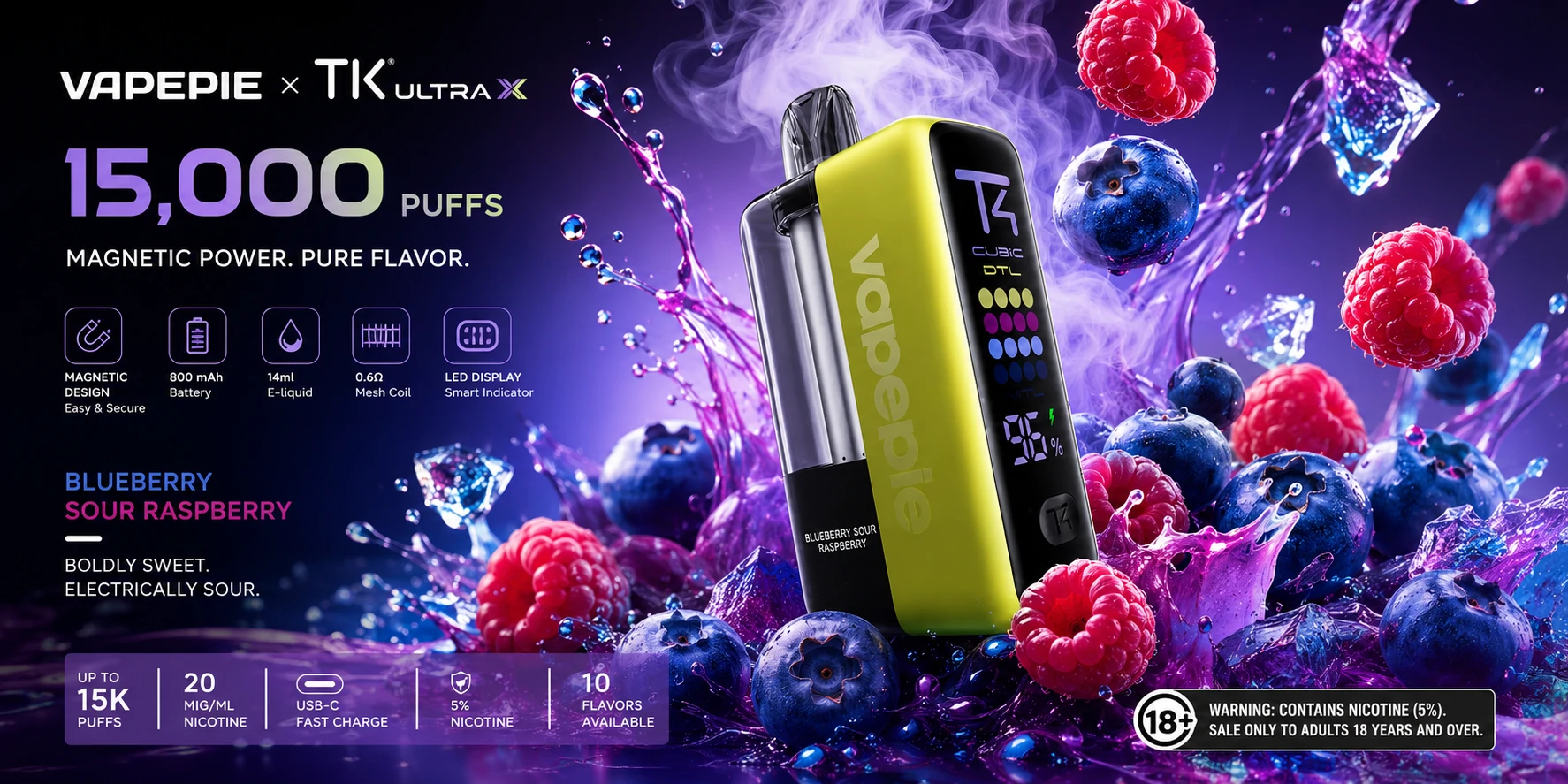
The Shenzhen effect also shapes the product design priorities that determine what consumers worldwide can access. Shenzhen manufacturers optimize for the largest and most profitable markets—currently the United States, the UK, and the EU—meaning that product design reflects the preferences and regulatory requirements of those markets. Disposable vapes, which dominate Western youth markets, became the Shenzhen manufacturing focus not because they're the optimal harm-reduction product but because they're the most profitable per-unit for manufacturers. The product design decisions made in Shenzhen boardrooms, based on market analysis of Western consumer trends, determine what nicotine products are available to smokers in Kenya, Bangladesh, and Bolivia—markets that have no influence over those design decisions. The global nicotine market is shaped by manufacturing decisions that are responsive to the wealthiest consumer markets and largely indifferent to the needs of the poorest.
The regulatory implications of the Shenzhen effect are significant and underappreciated. Western regulators who restrict vaping products—through flavor bans, PMTA requirements, or nicotine concentration limits—are regulating a manufacturing base they have no jurisdiction over. The Chinese manufacturers who produce the products being regulated can and do shift production to different formats, different markets, and different compliance strategies faster than Western regulators can adjust their rules. The regulatory asymmetry—national regulation confronting global manufacturing—means that demand-side restrictions (what products can be sold in Country X) are systematically outpaced by supply-side adaptation (manufacturers developing products that circumvent Country X's restrictions). Effective regulation of the global vaping market requires engaging with the manufacturing base in Shenzhen—through international product standards, supply-chain transparency requirements, and cooperation with Chinese regulatory authorities—not just restricting products at the point of sale.
The Shenzhen effect is not permanent. Manufacturing capacity is mobile over the long term, and the factors that concentrated vaping production in Shenzhen—electronics expertise, supply chain density, regulatory permissiveness—are shifting. Chinese regulation is tightening. Southeast Asian alternatives are developing. Western manufacturing capacity, while currently uncompetitive on cost, may become viable if automation advances or if supply-chain resilience becomes a regulatory priority. The concentration of global vaping manufacturing in a single district is a historical artifact of the industry's origins, not a permanent feature of its structure. But for the foreseeable future, the Shenzhen effect will continue to shape what nicotine products exist, how quickly they evolve, and how effectively they can be regulated. The policymakers who ignore Shenzhen are regulating a market they don't understand. The ones who engage with it have a chance of shaping it.