Early biomarker research suggests that switching from smoking to vaping reverses some—but not all—of the immune dysregulation caused by cigarettes. The implications for respiratory health, autoimmune disease, and cancer surveillance are profound.
Every year that evidence-based harm reduction is delayed, millions of smokers who might have switched to safer products continue to smoke—and die. What does the economic modeling tell us about the cost of precautionary paralysis?
public healtheconomicsmodelingharm reductionpolicy
Over 90% of the world's vaping hardware comes from a single district in Shenzhen, China. The concentration of manufacturing in one place has profound implications for innovation, regulation, and the future of nicotine consumption worldwide.
industry changesChinamanufacturingsupply chainglobalization
The average successful ex-smoker tried and failed 5–7 times before quitting for good. Those 'failures' weren't wasted effort—they were essential practice. Understanding the quit cycle transforms how we think about cessation.
Financial technology has 'regulatory sandboxes' where startups can test innovations under supervision. Could the same model work for nicotine products—allowing harm-reduction innovation while maintaining safety oversight?
Every major tobacco control initiative promises to create a 'nicotine-free generation.' But is that goal realistic, or is it setting public health up for failure by aiming for an outcome that has never been achieved with any substance in human history?
This is the final article in a series of over 100. The nicotine story isn't over—it's barely begun. Here's a roadmap for the people who will write the next chapter: the researchers, the policymakers, and the smokers themselves.
Gen Z is the first generation to encounter nicotine primarily through vaping and pouches rather than cigarettes. Their nicotine use patterns, attitudes, and risks are different from every generation before them.
Propylene glycol, vegetable glycerin, flavorings, nicotine. The ingredients in e-liquid are simple, familiar, and extensively studied—in other contexts. What happens when they're heated and inhaled thousands of times is still emerging.
Addiction is characterized by impaired control over substance use. The paradox of recovery is that the first step is accepting this loss of control—not as an excuse, but as a starting point for evidence-based treatment.
Imagine 2050: cigarettes are a historical curiosity, nicotine is consumed like caffeine, and smoking-related disease has plummeted. This future is achievable—but only if we make the right choices now.
After 100 deep dives into the nicotine landscape, the patterns are clear: the debate is stuck, the institutions are failing, and millions are dying. Here's what needs to change—and why it might actually happen.
Vape shops aren't just stores. For many former smokers, they're support groups, social clubs, and the only place where their nicotine use isn't judged. As regulation squeezes them out, what's lost is more than retail.
Most quit attempts fail in the first three days. Understanding what happens psychologically in those crucial hours—and how to prepare for them—is the difference between another failed quit and a smoke-free life.
Internal documents reveal that the tobacco industry views Africa like water views a desert—flowing toward the path of least resistance. The metaphor captures the industry's strategy, and the urgency of building regulatory dams.
Statistics tell one kind of story. People tell another. Here are ten portraits of nicotine transition—former smokers who found their own paths away from combustible tobacco, each one different, each one instructive.
After 100+ articles, the most honest conclusion is that the nicotine story is still being written. The science is evolving, the products are changing, the policies are contested. Certainty is the enemy of wisdom in this space.
For decades, environmentalism and tobacco control operated in separate worlds. The disposable vape crisis changed that—and the alliance is reshaping nicotine policy in ways neither movement anticipated.
public healthenvironmentcoalitionspolicydisposable vapes
The WHO FCTC was designed to protect low-income countries from the tobacco industry. A decade of implementation data suggests it's failing at its most important task. What went wrong, and can it be fixed?
The nicotine policy world has split into two camps, each convinced of its own righteousness. The middle ground—evidence-based, uncertain, nuanced—is largely uninhabited. What happened to the moderates, and can they come back?
Trillions of cigarette butts are littered annually. Most people think they biodegrade. They don't—the filters are plastic. The environmental footprint of smoking extends far beyond the smoker's lungs.
After 100 deep dives into every corner of the nicotine landscape, a few truths have emerged—not about the science (though that too), but about the human dimensions of addiction, policy, and the search for a better way.
The vaping debate is trapped in a false binary: is vaping safe or dangerous? The question that actually matters is: compared to what, for whom, under what conditions? Until we start asking better questions, we'll keep getting worse answers.
This one isn't for the policymakers, the researchers, or the advocates. It's for you—the person holding a cigarette right now, wanting to stop, not knowing if you can. You're not weak. You're fighting one of the hardest battles in medicine. And there's hope.
quitting smokingpersonalhopesupportletter
Products
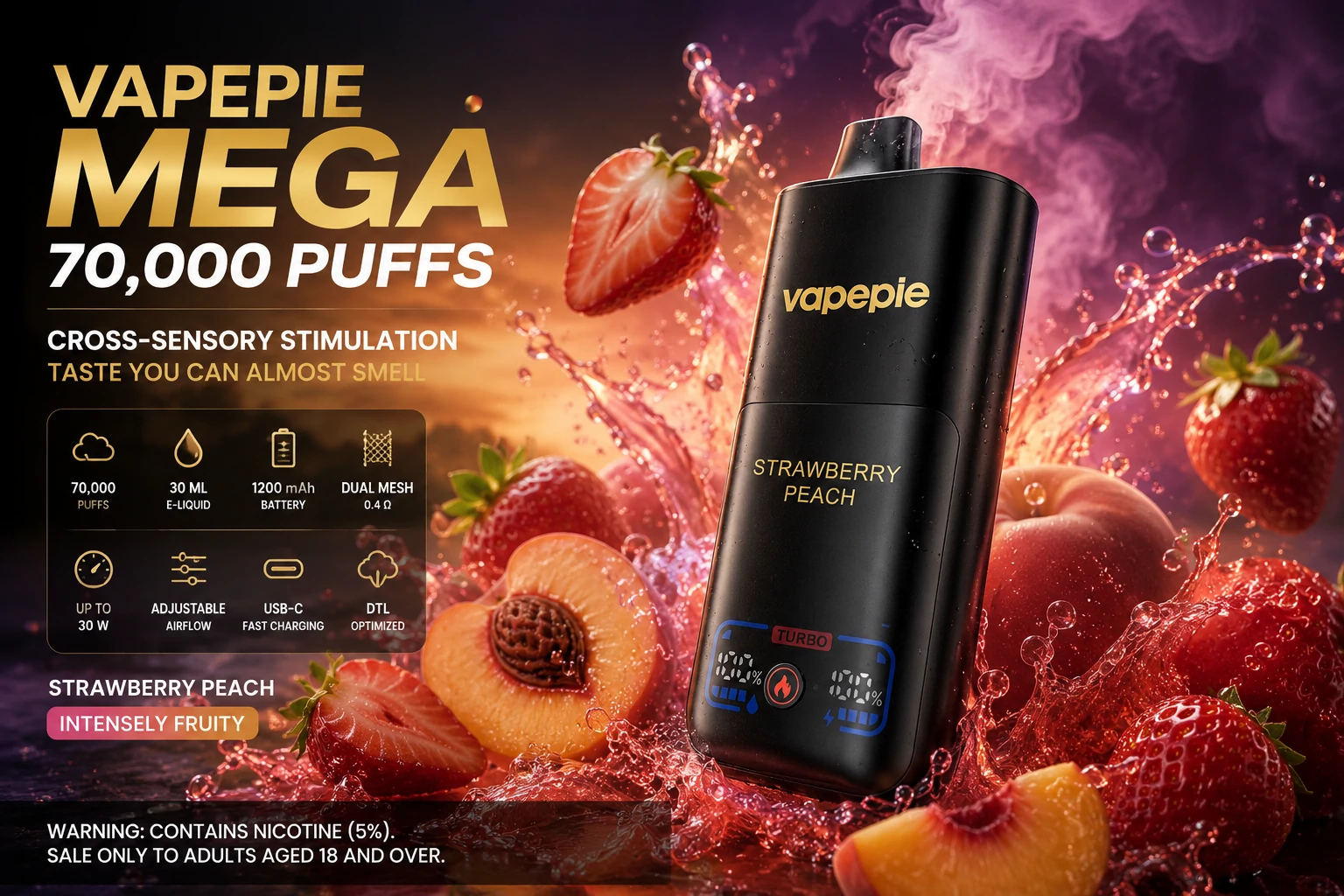
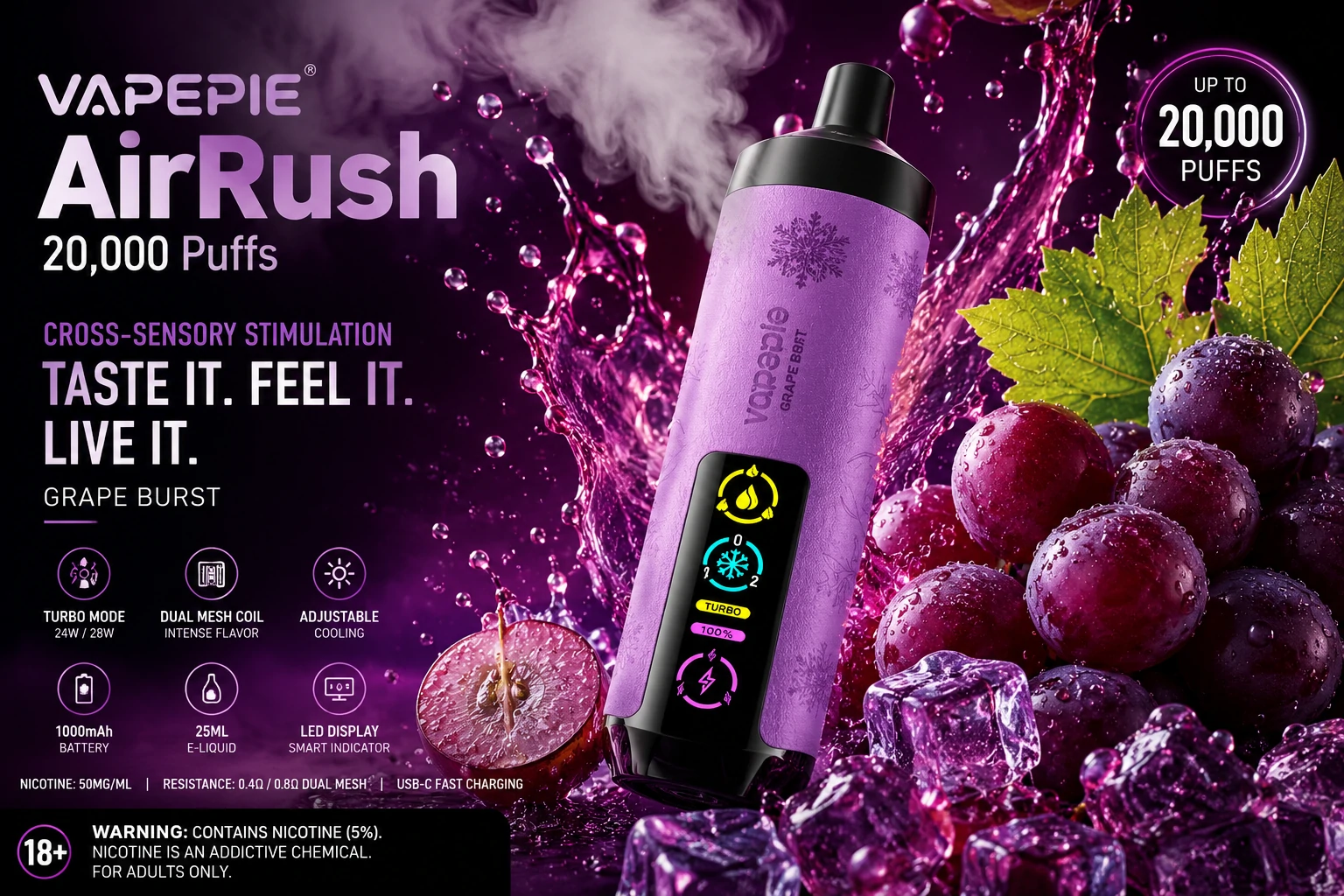
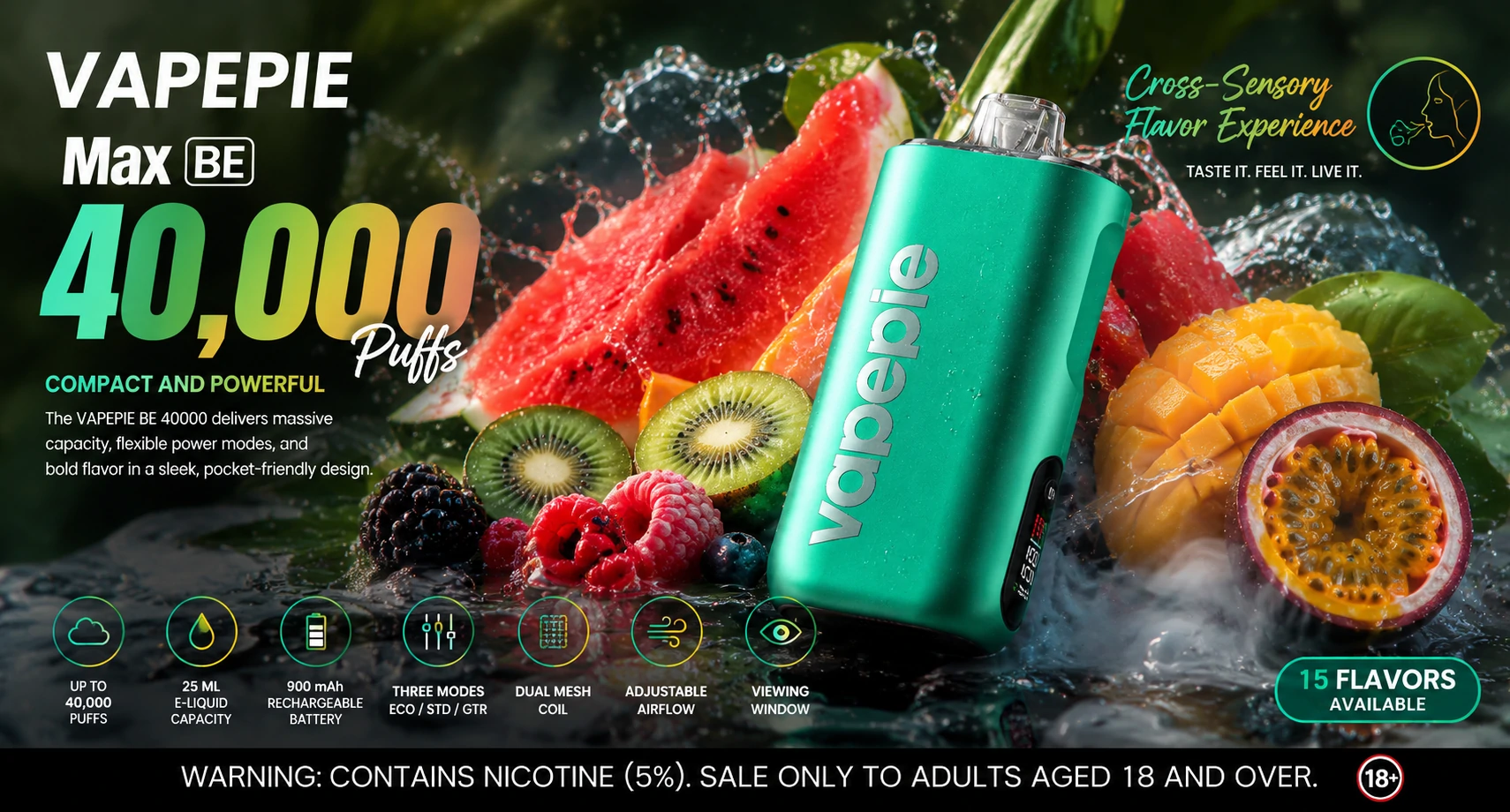
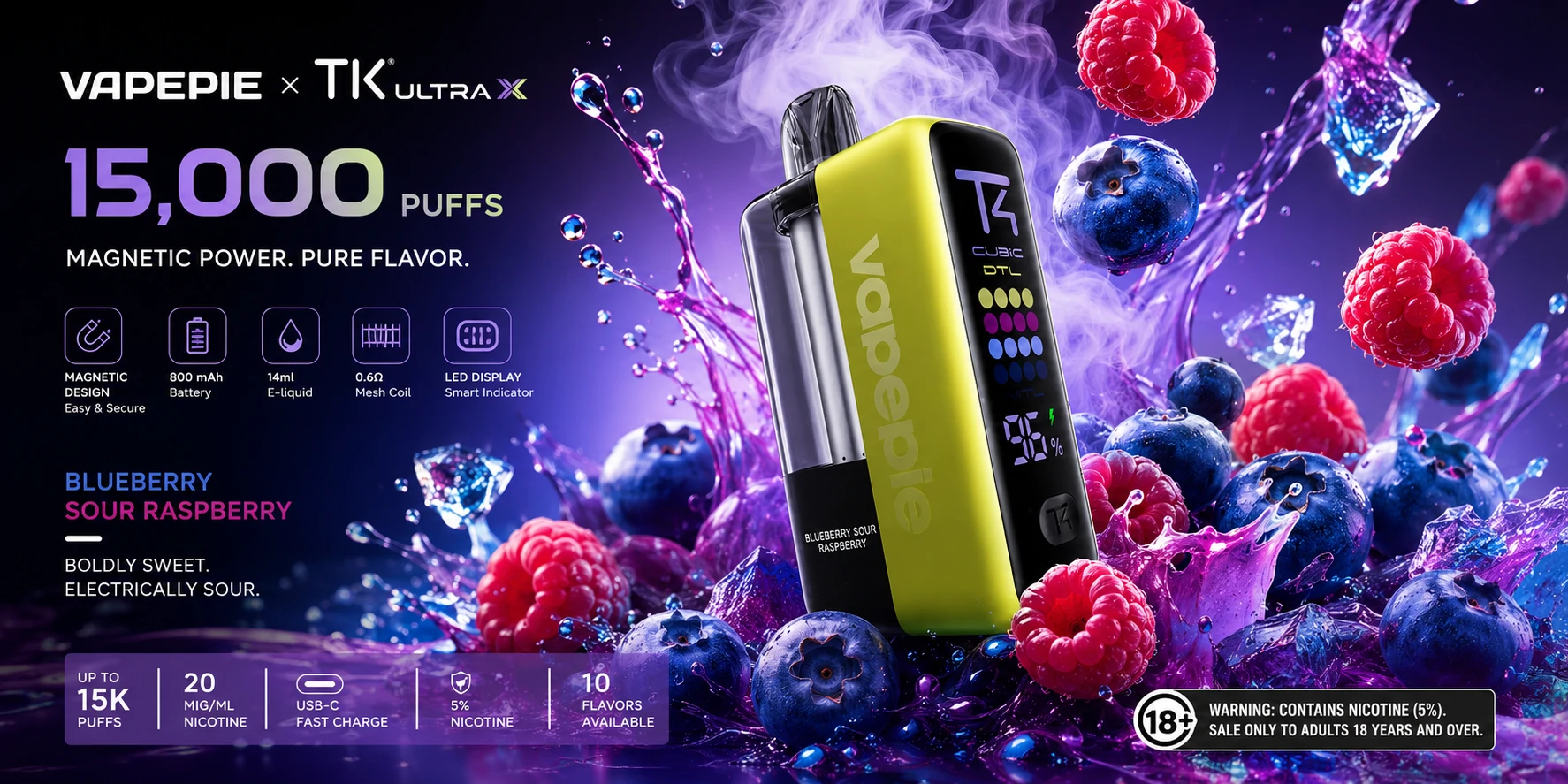
Explore VAPEPIE devices
Select a product to view details, highlights, and technical specifications.