As smoking rates decline, a counter-trend has emerged: the revival of defunct cigarette brands, retro packaging, and nostalgia-driven marketing that appeals to consumers who remember—or imagine—a time when smoking was glamorous. The nostalgia market reveals the cultural persistence of smoking.
Smoking during pregnancy is one of the most harmful things a pregnant woman can do. But what about nicotine replacement therapy? What about vaping? The evidence is limited, the stakes are enormous, and the default recommendation—'abstain from everything'—is not always achievable.
Harm reduction—providing safer alternatives to people who cannot or will not abstain—has saved millions of lives across HIV, drug policy, and tobacco. And yet, at the moment of its greatest success, it faces a coordinated backlash from the institutions that should be its champions.
public healthharm reductionbacklashabstinenceideology
The 2019 EVALI outbreak—lung injuries associated with illicit THC cartridges containing vitamin E acetate—killed 68 people and hospitalized thousands. The nicotine vaping industry, which had nothing to do with the outbreak, suffered the regulatory and reputational consequences. The scars remain.
Tobacco companies are excluded from ESG (Environmental, Social, Governance) investment funds by definition. But their pivot to reduced-risk products, combined with their extraordinary profitability, has created a paradox: the most socially harmful industry is also one of the most financially durable.
industry changesESGinvestmentfinancesustainability
The claim that 'nicotine harms the developing adolescent brain' is the central justification for youth vaping restrictions. The evidence for this claim is real—but its scope is narrower, and its policy implications more nuanced, than the public discourse acknowledges.
Fire-safe cigarettes—designed to self-extinguish when not actively puffed—have reduced smoking-related fire deaths. But the chemical bands that make cigarettes 'fire-safe' may also increase the toxicity of the smoke. The tradeoff was never evaluated because the regulatory frameworks are separate.
Generation Z drinks less alcohol, uses fewer drugs, and has lower rates of teen pregnancy than any generation in decades. They are also the generation that fueled the youth vaping 'epidemic.' The paradox is not a contradiction—it's a window into how risk has been redefined for the youngest adult generation.
The kretek—a cigarette blended with cloves, invented in Indonesia in the 1880s—is the dominant tobacco product in the world's fourth-most-populous country. It is also a cultural artifact, an economic pillar, and a public health catastrophe. The tension between these realities is unresolvable within the current framework.
The movement of personnel between regulatory agencies and the industries they regulate—the 'revolving door'—is a well-documented feature of the regulatory state. In tobacco regulation, the door spins in both directions, with consequences that are rarely measured but deeply corrosive to public trust.
Millions of former smokers now use vaping products daily but don't identify as 'vapers.' They don't participate in vape culture, don't build coils or chase flavors, and don't see their nicotine use as an identity. Understanding this silent majority is key to understanding vaping's public health role.
Smoking is contagious: people start and quit smoking in clusters, influenced by the behavior of friends, family, and coworkers. The network dynamics of smoking behavior suggest that successful cessation interventions must target groups, not individuals.
The COVID-19 pandemic was the largest natural experiment in smoking behavior in history. The results were deeply divided: some smokers quit, others increased their consumption, and the divergence mapped onto existing socioeconomic fault lines with uncomfortable precision.
Flavor bans and product restrictions are transforming a segment of the vaping community into home chemists—mixing their own e-liquids from ingredients sourced online. The practice is technically legal, largely unregulated, and raises safety concerns that the flavor bans were supposed to address.
The nicotine industry's environmental impact extends far beyond cigarette butts. Tobacco farming drives deforestation, curing requires massive energy inputs, and the global supply chain generates emissions that are almost entirely externalized. As the industry transitions, the carbon calculus shifts—but doesn't disappear.
industry changesenvironmentcarbon footprintsustainabilityclimate
Nicotine hijacks the dopamine system that evolved to reinforce survival behaviors—eating, drinking, social bonding. Understanding the neurochemistry of this hijacking is the key to understanding why quitting is so hard, and what the next generation of cessation treatments must address.
The modern cigarette is a technological marvel—a precisely engineered device that delivers nicotine to the brain in 7-10 seconds. It is also a device that kills half its long-term users. The paradox of the cigarette is that its lethality is inseparable from its efficiency.
The most effective nicotine marketing in 2025 is not produced by advertising agencies. It's produced by content creators—vape reviewers, 'Zynfluencers,' and lifestyle influencers who integrate nicotine products into content that reaches millions of young viewers daily.
Waterpipe tobacco smoking—hookah, shisha, narghile—is among the most harmful forms of tobacco use, delivering massive doses of smoke and toxicants in sessions that can last an hour. And yet hookah has largely escaped the regulatory attention that cigarettes and vaping receive.
The nicotine industry's transformation is being fought not just in regulatory agencies and retail markets, but in patent offices and courtrooms. The companies that control the intellectual property for reduced-risk nicotine products will control the market for decades.
Smokers are not naive about the health risks of cigarettes. But many express loyalty to their brand, skepticism toward anti-smoking campaigns, and identification with the industry that profits from their addiction. The psychology of this relationship is more complex than 'addiction distorts judgment.'
Psilocybin—the active compound in 'magic mushrooms'—has shown remarkable efficacy for smoking cessation in early clinical trials, with 80% abstinence rates at 12 months in one small study. The mechanism is not pharmacological substitution. It's psychological transformation.
Decades of exaggerated claims, shifting messaging, and the perception that public health agencies prioritize institutional interests over honest communication have eroded trust in the very institutions that are supposed to guide smokers toward healthier choices.
public healthtrustcommunicationcredibilityinstitutions
The technological evolution of vaping devices—from simple cigarette-like devices to powerful, customizable mods to the current generation of disposable and pod-based systems—reflects a market searching for the optimal balance of satisfaction, convenience, and risk. The technology is not neutral with respect to health.
e-cigaretteshardwaretechnologyevolutiondesign
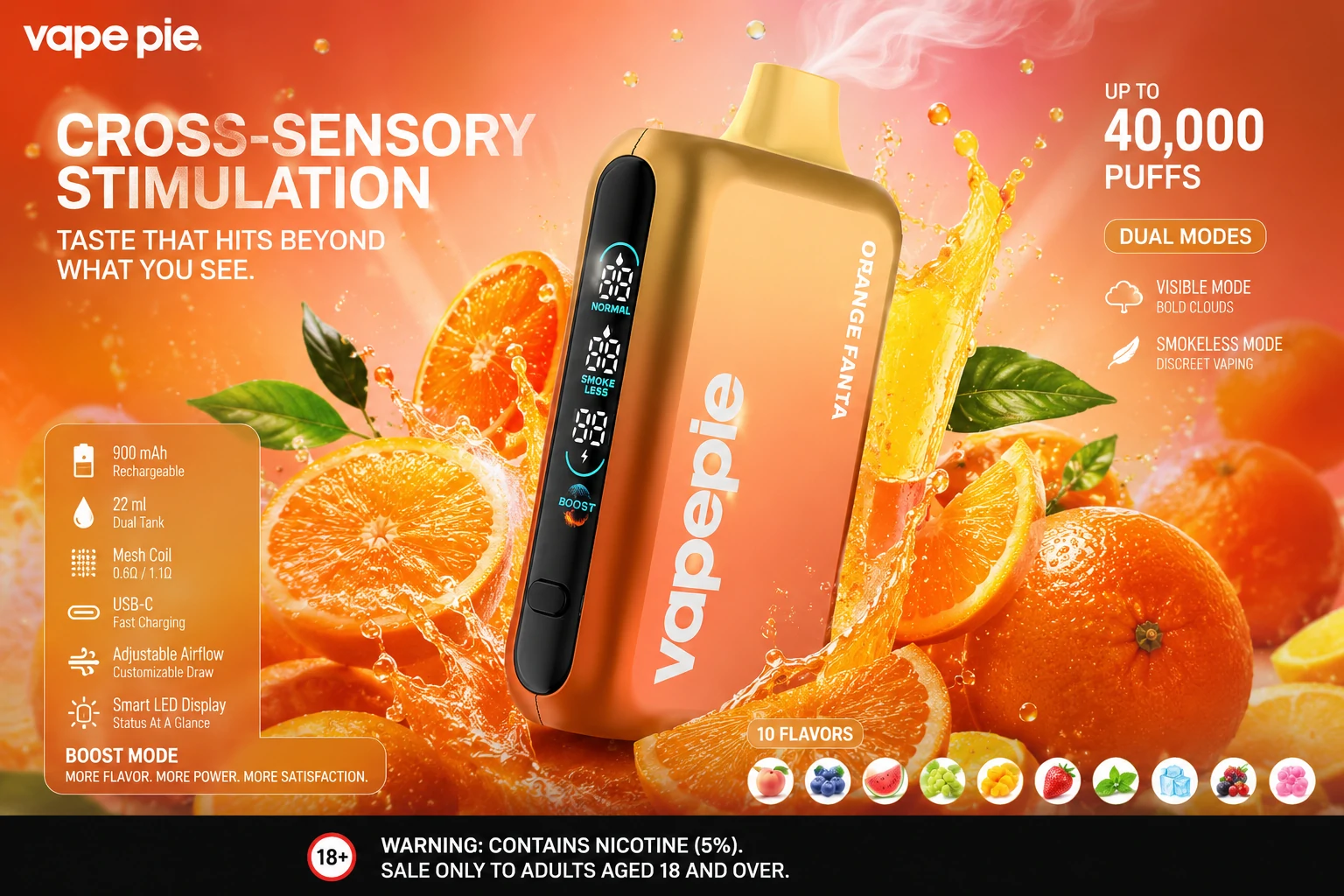
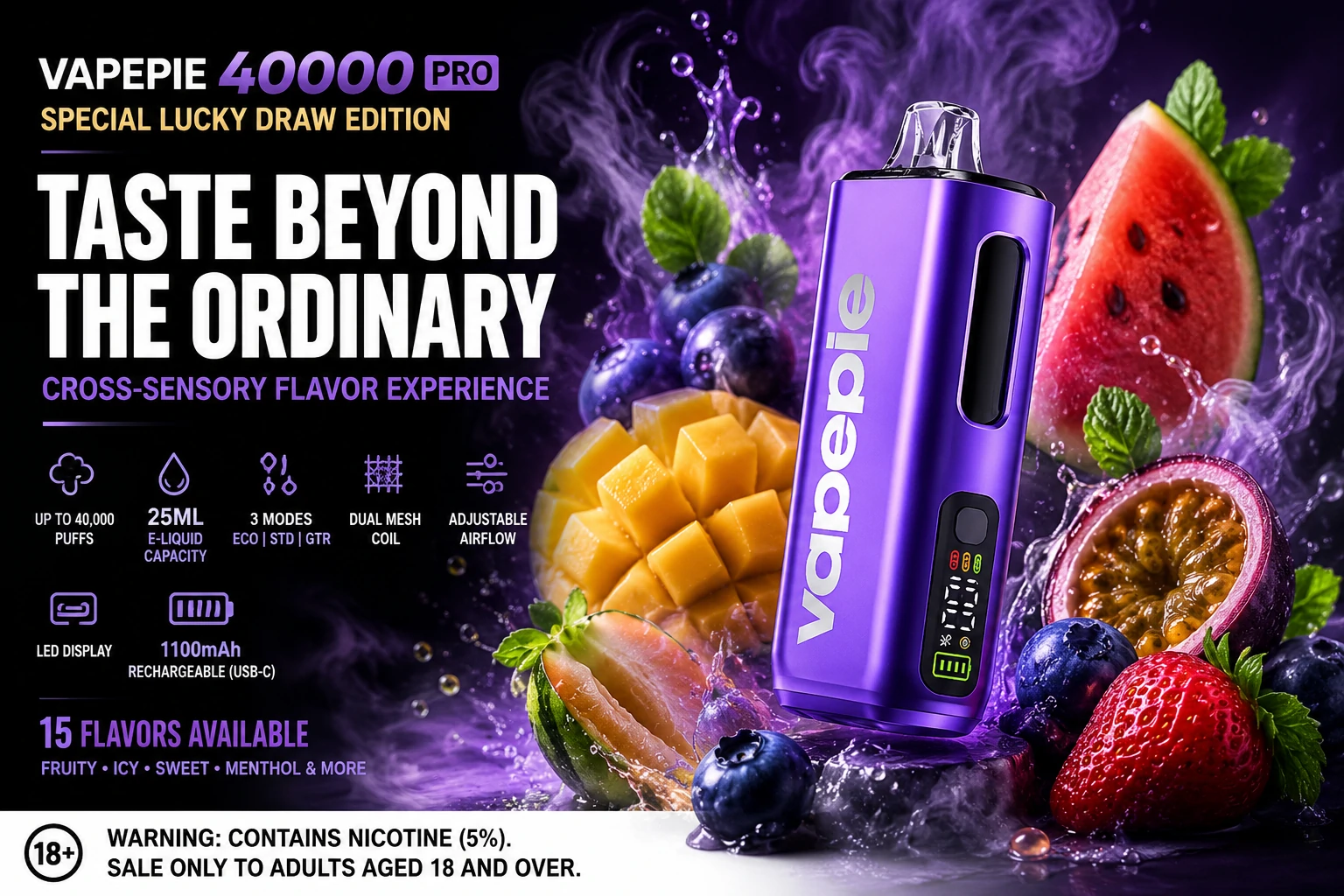
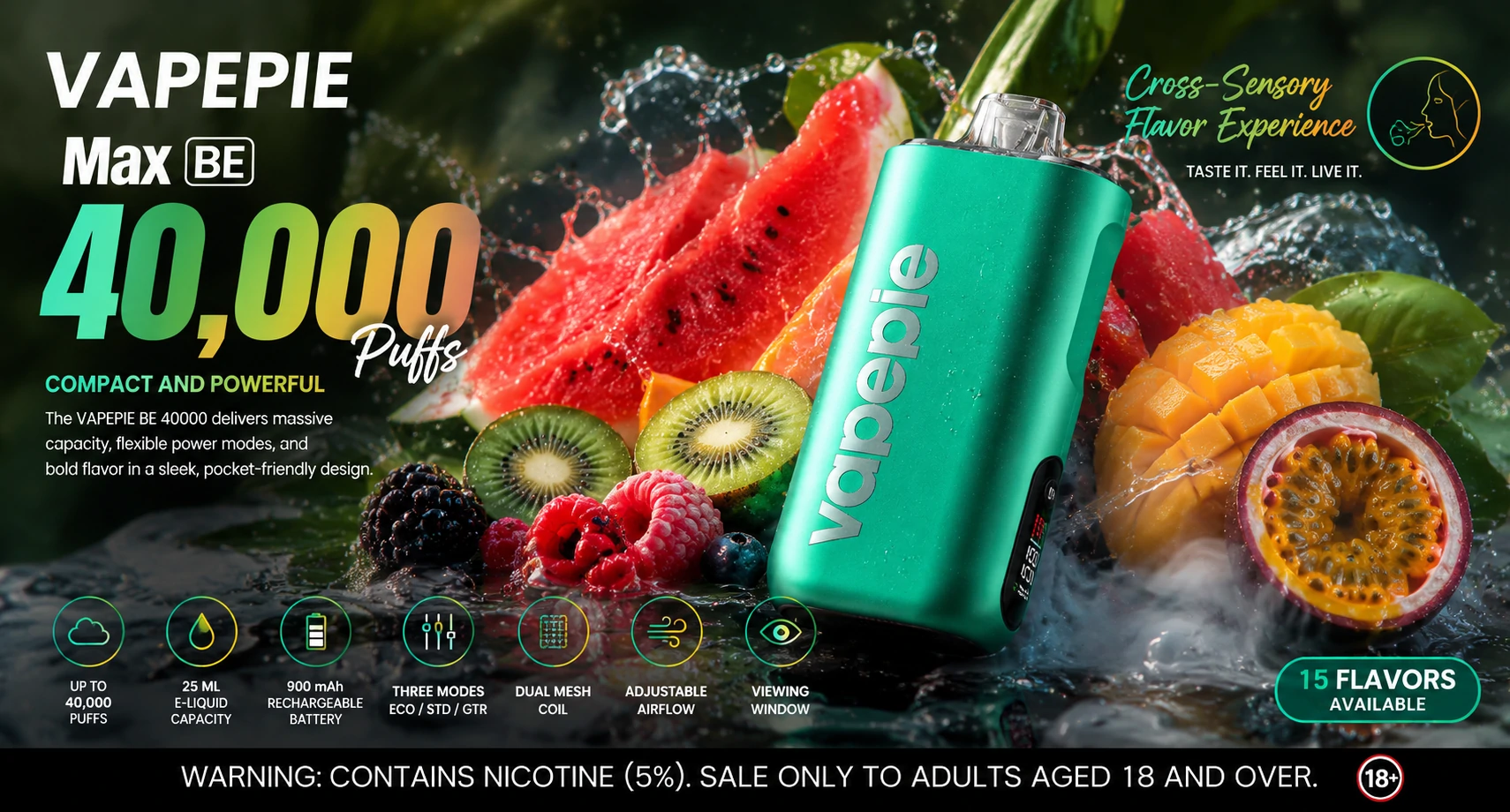
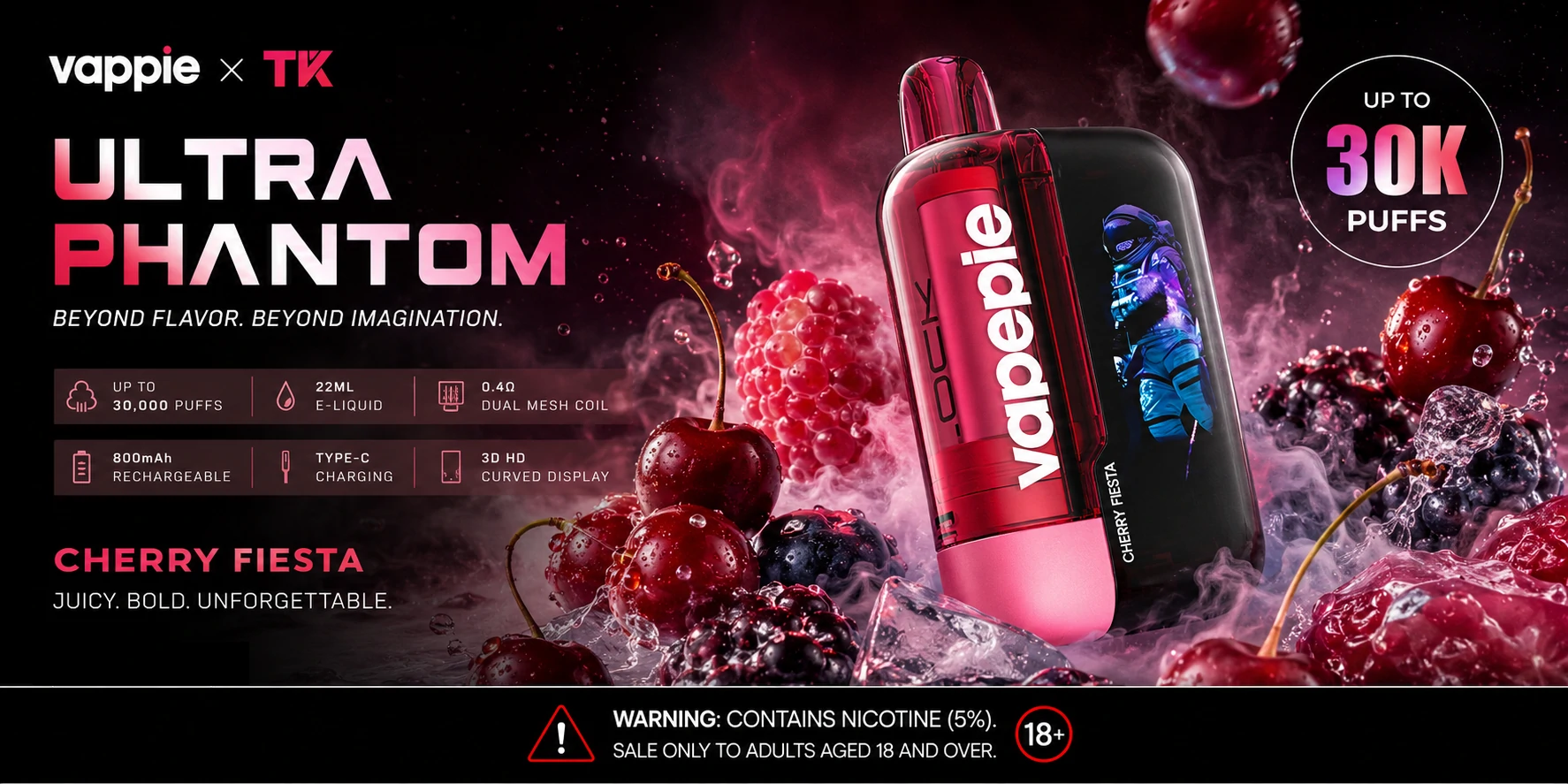
Products
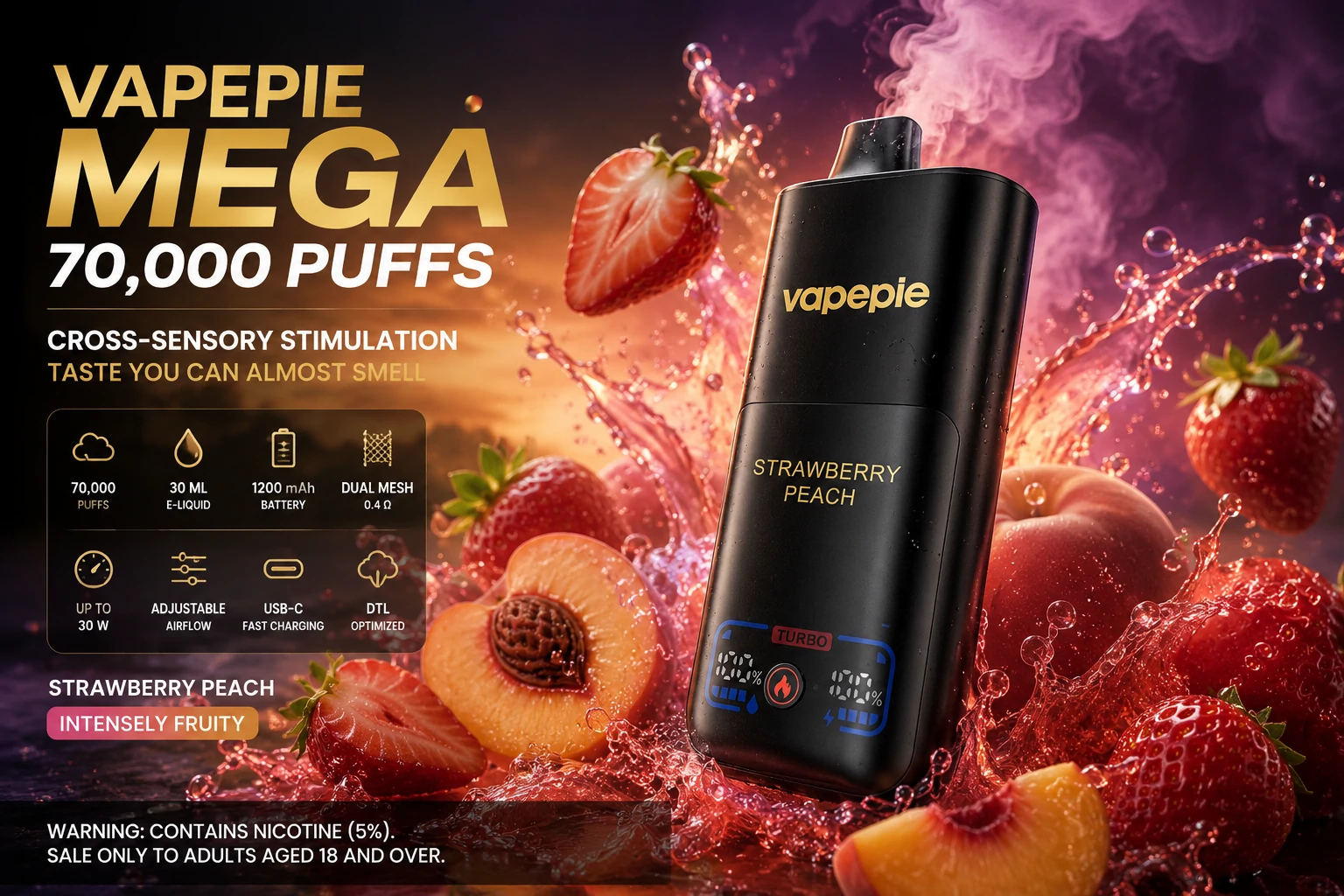
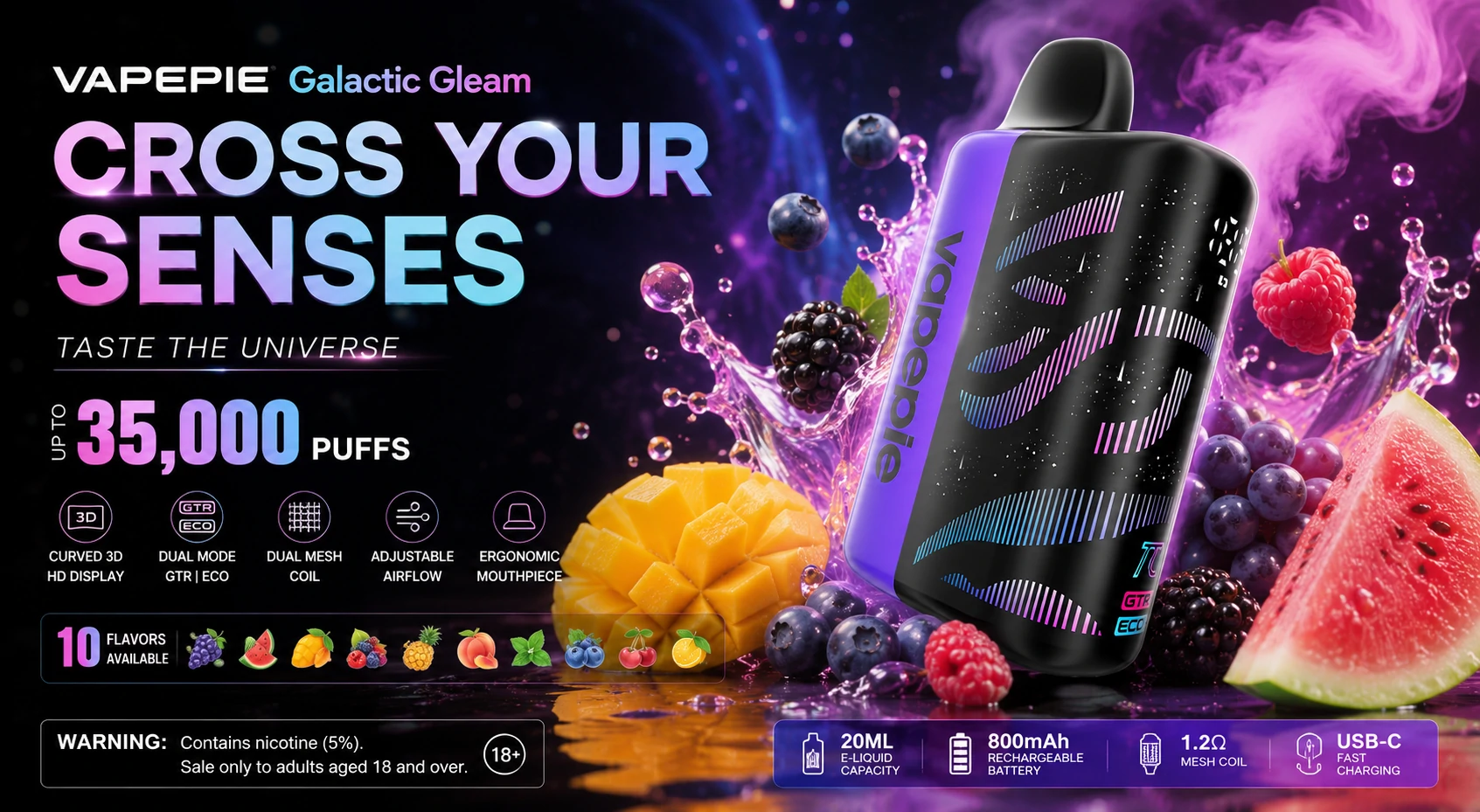
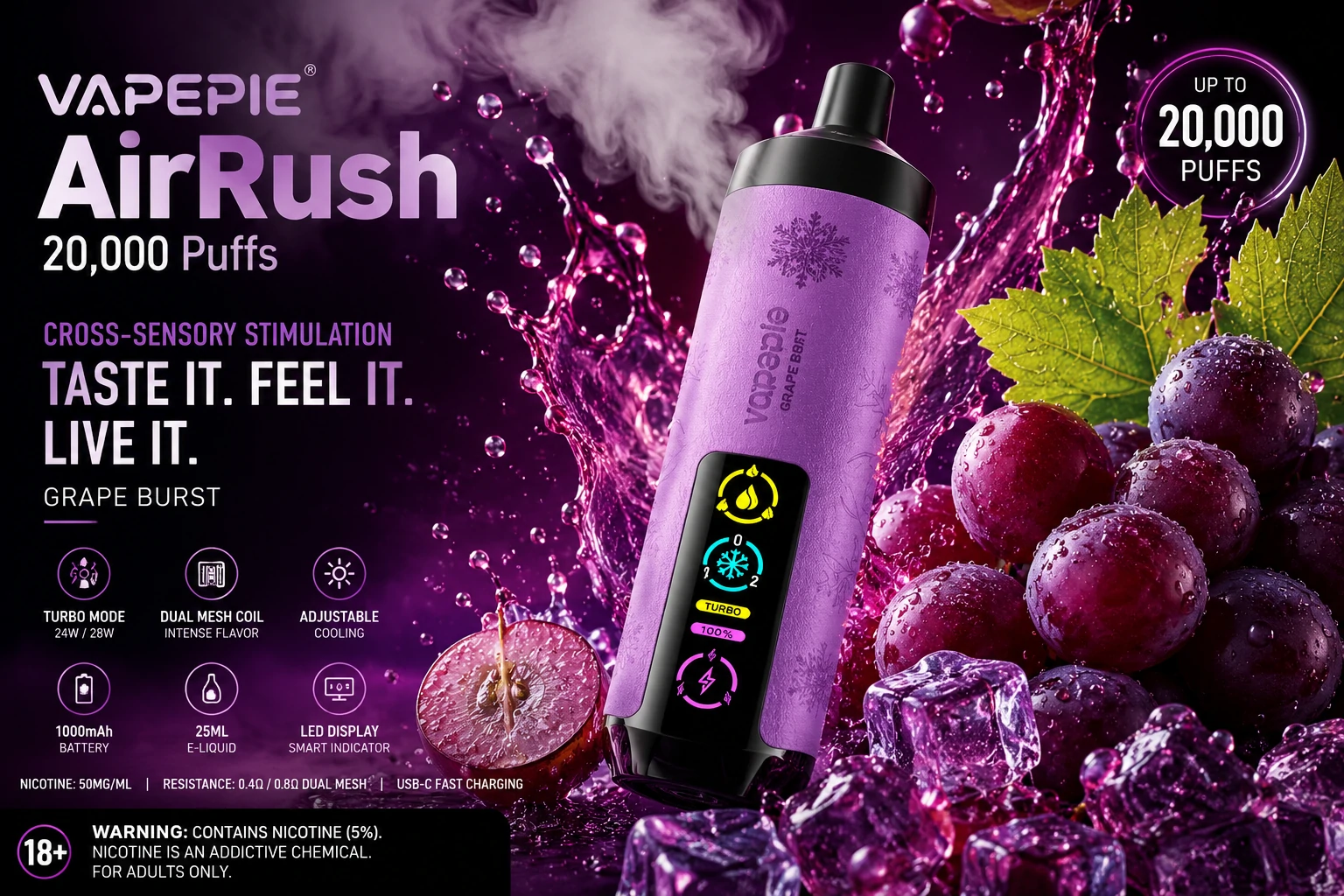
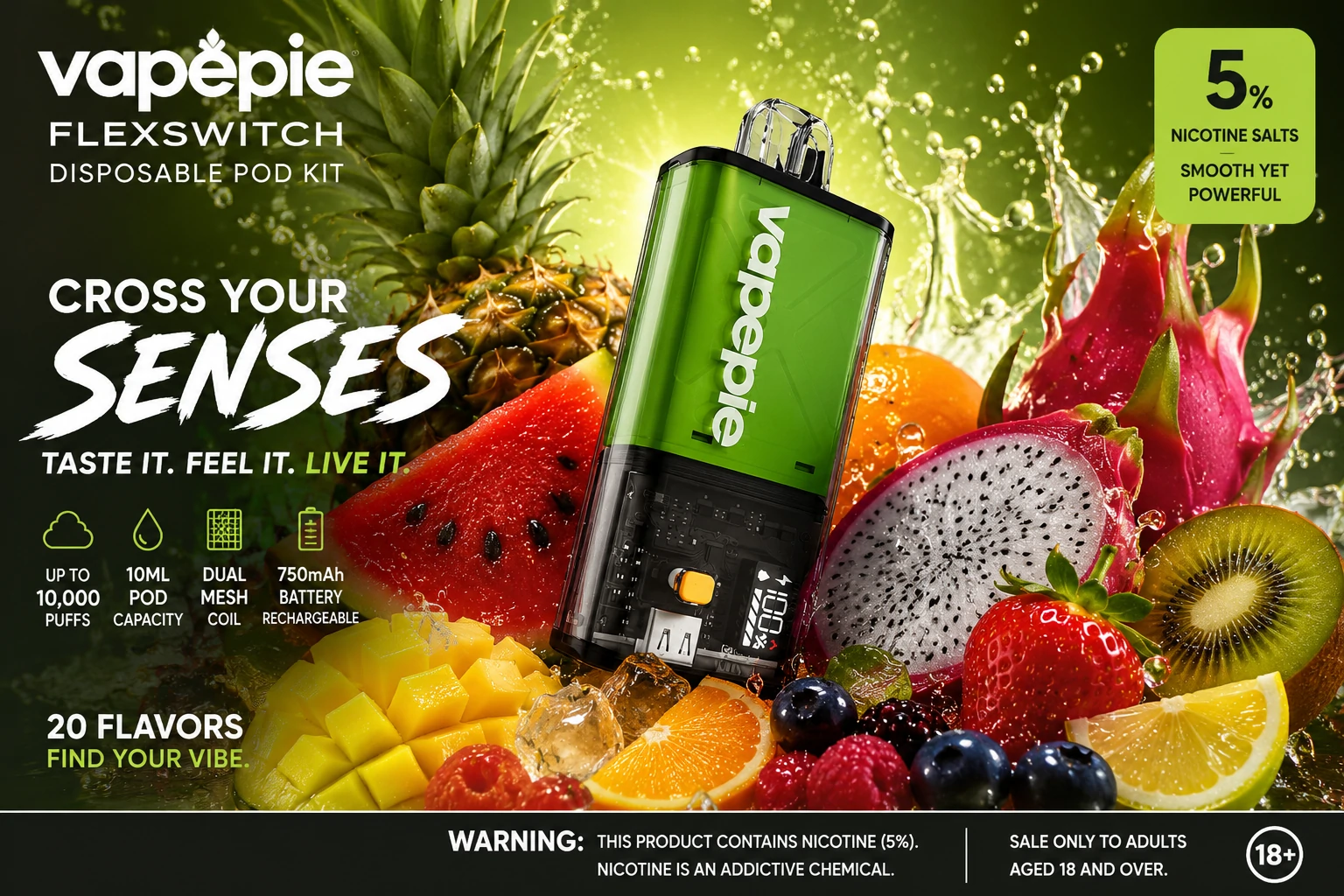
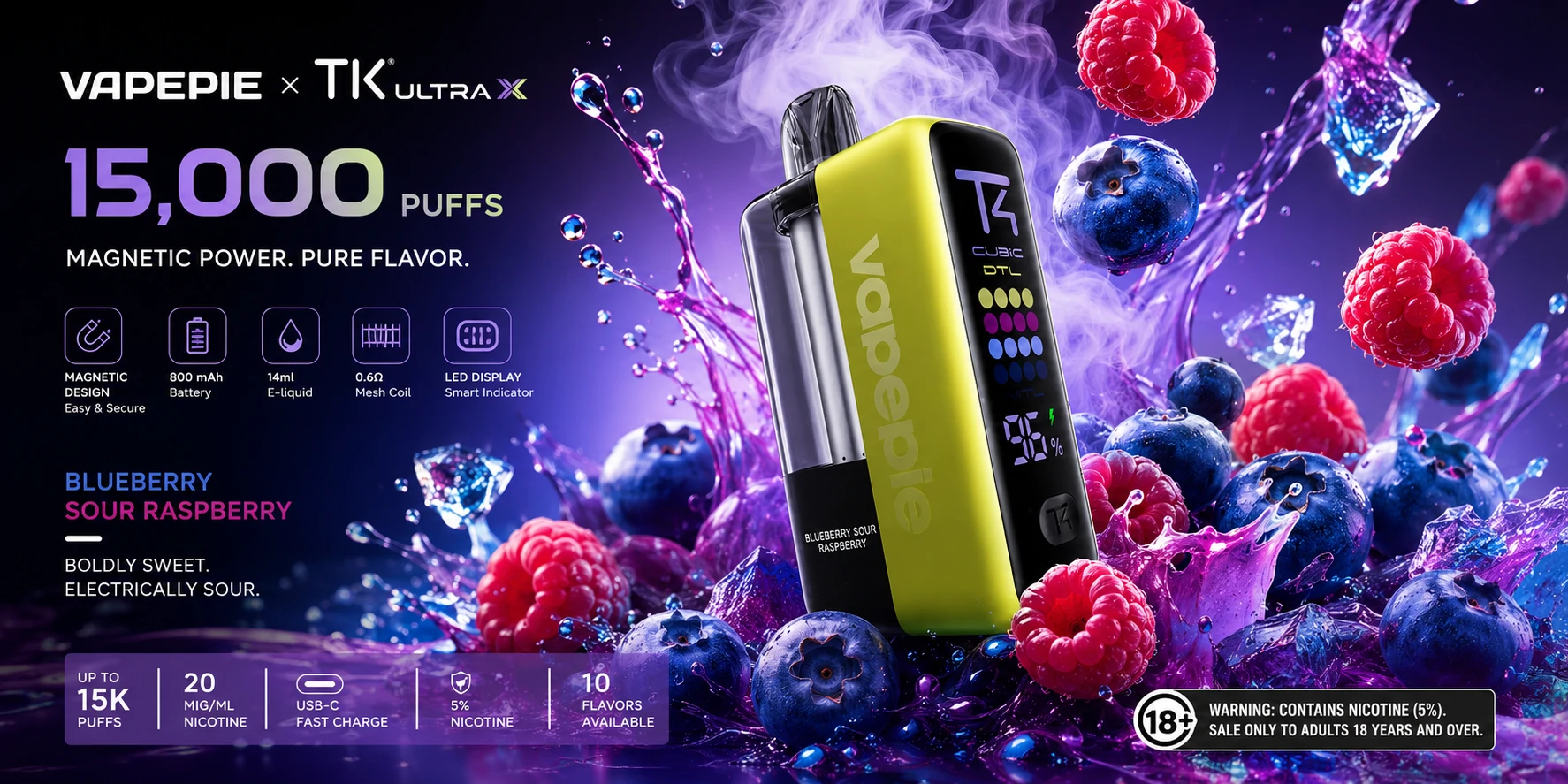
Explore VAPEPIE devices
Select a product to view details, highlights, and technical specifications.