Hospitals refuse to hire smokers. Insurance companies charge them more. Employers test for cotinine and deny coverage to those who test positive. Is nicotine screening a public health tool or a form of discrimination?
The tobacco industry should be politically radioactive. Its products kill half their long-term users. Yet it continues to block, delay, and weaken tobacco control legislation worldwide. How does it keep winning?
Independent vape shops are where most adult vapers get their products and advice—but they're also where many underage users obtain devices. Can the industry regulate itself, or is the corner vape shop an endangered species?
e-cigarettesretailvape shopsregulationsmall business
Sweden has the lowest smoking rate in Europe, the lowest tobacco-related cancer mortality, and a centuries-old tradition of oral tobacco called snus. Why hasn't the rest of the world followed the evidence?
Smoking rates in prisons are up to four times the general population rate. Most prisons have banned smoking—but bans don't treat addiction. What does justice-appropriate cessation look like?
The idea of giving e-cigarettes to pregnant smokers seems indefensible. But a small number of clinicians are doing exactly that—and their reasoning challenges everything we think we know about nicotine and pregnancy.
regulationpregnancyethicsharm reductionclinical practice
Dentists are on the front lines of vaping's health effects—and they're reporting patterns that researchers are only beginning to study. From dry mouth to gum recession, the oral health impacts of vaping are real.
A growing number of countries are committing to a 'tobacco endgame'—a world with near-zero smoking prevalence. But what does 'endgame' actually mean, and what happens to the millions who still need nicotine?
Smoke doesn't just vanish—it settles into carpets, walls, furniture, and skin. The science of thirdhand smoke is young, contested, and potentially transformative for how we regulate indoor spaces.
public healththirdhand smokeindoor airresiduechildren
A wave of venture-backed startups is applying Silicon Valley's favorite business model to nicotine—monthly subscriptions, sleek branding, 'wellness' positioning. Is this the future of harm reduction or addiction 2.0?
industry changesstartupssubscriptionnicotineSilicon Valley
Despite decades of public health advocacy, smoking on screen is surging. Streaming platforms, period dramas, and the globalization of content have given cigarettes a second life in the cultural imagination.
When nicotine gum was first developed in the 1970s, nobody wanted it—not regulators, not doctors, not smokers. Four decades later, it has helped tens of millions quit. The story of its improbable journey to legitimacy.
The Framework Convention on Tobacco Control, the world's first public health treaty, has been in force since 2005. With 183 parties covering 90% of humanity, the results are mixed—and the next 20 years look harder than the last.
public healthWHO FCTCglobal healthtreatytobacco control
Some smokers quit and then develop lung cancer months later. The cruel irony fuels a persistent myth that quitting is dangerous. Here's what's actually happening in the body when the cigarettes stop.
When flavor bans hit, thousands of vapers didn't quit—they became home chemists. The DIY e-liquid community is a fascinating subculture that raises hard questions about regulation, safety, and the limits of prohibition.
The evidence is compelling: regular physical activity reduces cravings, manages withdrawal symptoms, and improves quit success rates. Yet exercise remains the most underprescribed tool in the smoking cessation arsenal.
Philip Morris International issues green bonds. BAT publishes sustainability reports with science-based targets. Can companies whose core product kills millions annually ever be 'sustainable'—and who gets to decide?
industry changesESGgreenwashingsustainabilitycorporate responsibility
A growing number of healthy non-smokers are using nicotine—via patches, gum, and pouches—to sharpen focus and boost productivity. Is this a legitimate form of cognitive enhancement, or a public health time bomb?
As factory-made cigarettes face ever-stricter regulation, roll-your-own tobacco has become a booming gray area—cheaper, less regulated, and increasingly popular among price-sensitive smokers.
New Zealand passed a law making it illegal to sell cigarettes to anyone born after 2008. Then a new government repealed it. The story of the smokefree generation law reveals everything about the politics of tobacco control.
public healthNew Zealandsmokefree generationlegislationtobacco control
You found a disposable vape in your teenager's backpack. Now what? Most parents default to lectures, punishments, or panic. Here's what addiction specialists actually recommend—and why your first reaction matters more than you think.
Mandating that cigarettes self-extinguish when not actively puffed seemed like an obvious win. Fewer house fires, fewer deaths. But the policy may have made cigarettes more toxic—and nobody studied it until after the fact.
Smoking during pregnancy is one of the most stigmatized health behaviors. But shame doesn't help women quit—it drives them into silence. What would a compassionate, evidence-based approach look like?
From temperature control to Bluetooth-connected pods, vaping hardware has evolved at Silicon Valley speed. But the features that improve the experience for adult ex-smokers also make these devices more appealing to teens.
industry changesvaping hardwareinnovationtechnologyregulation
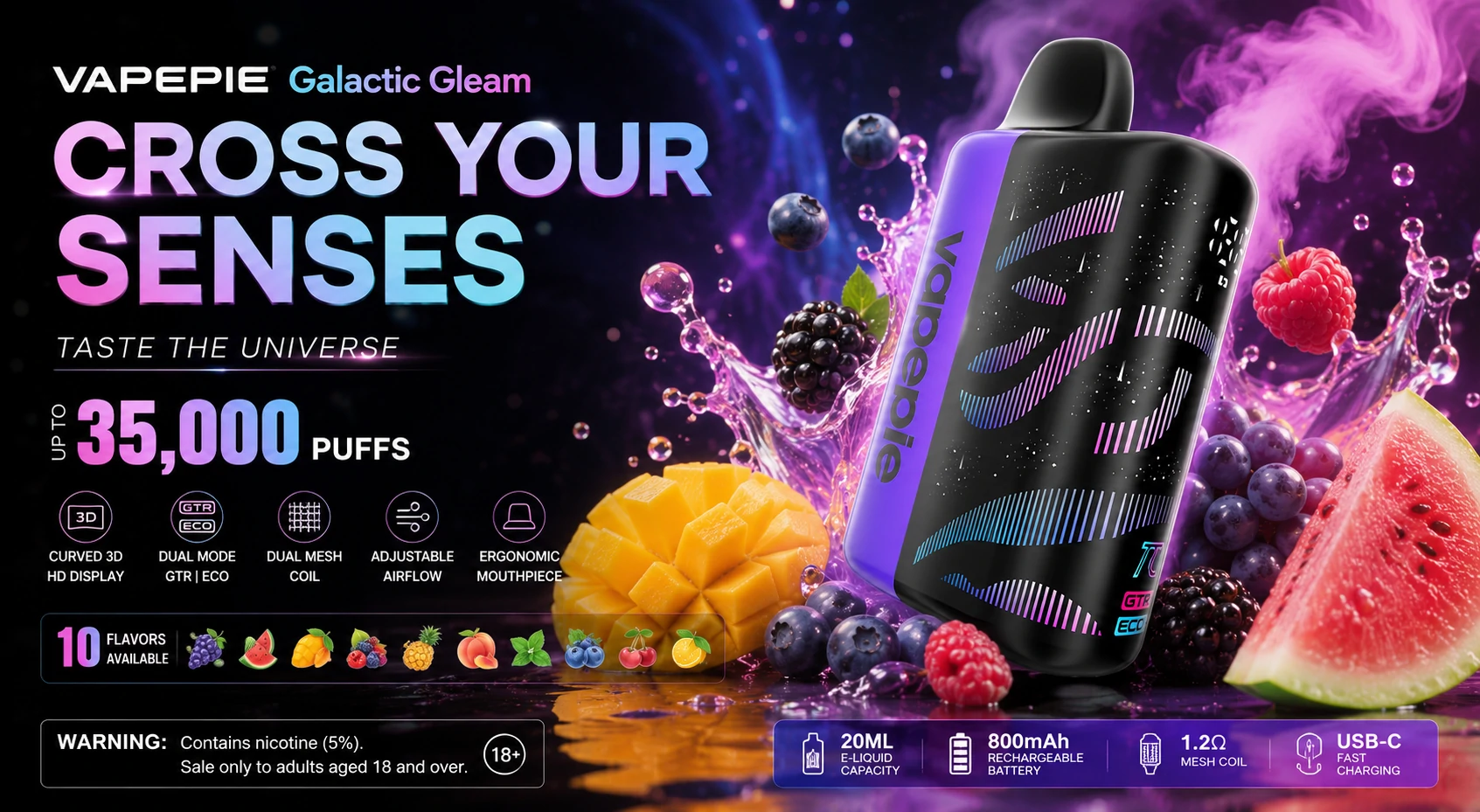
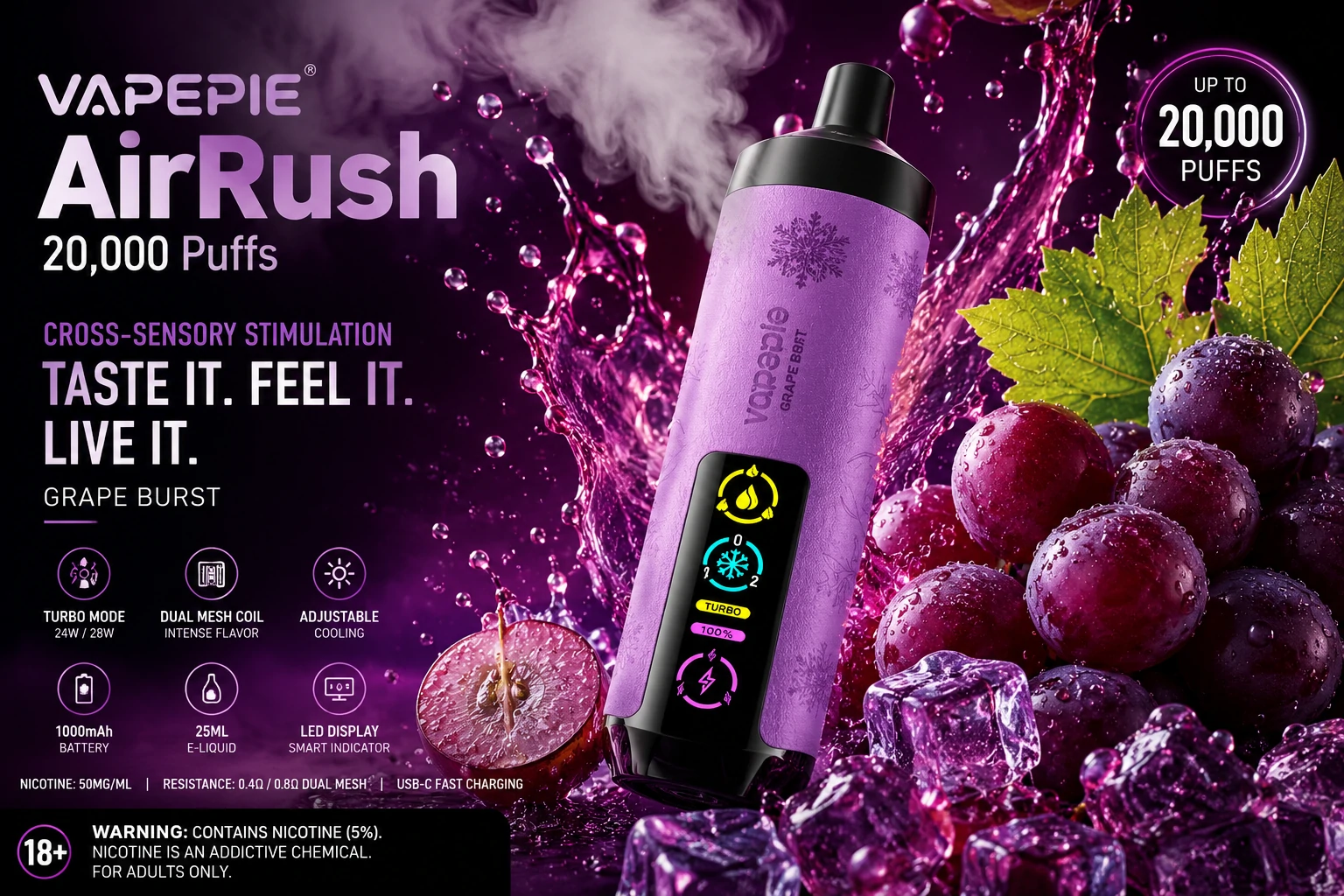
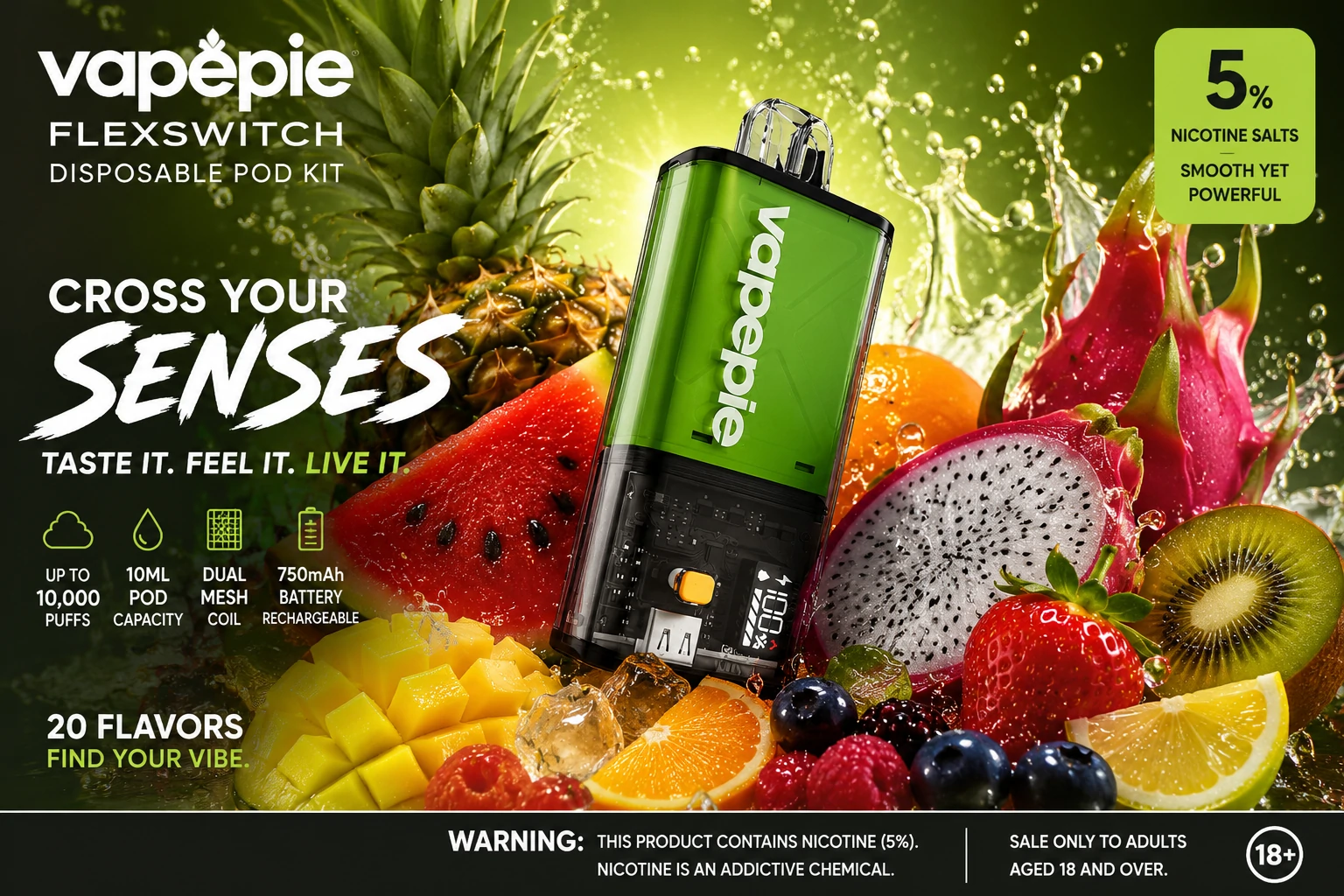
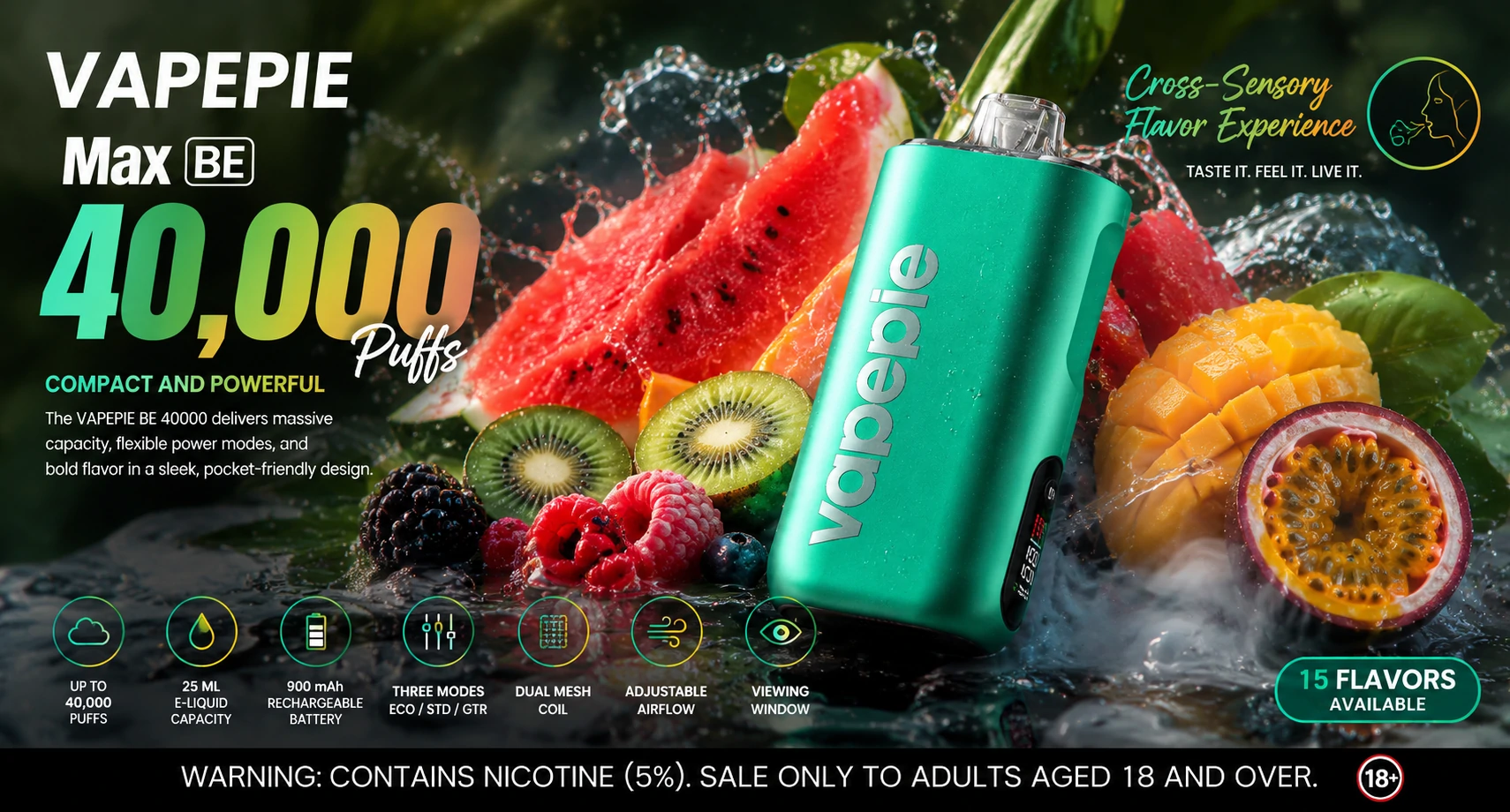
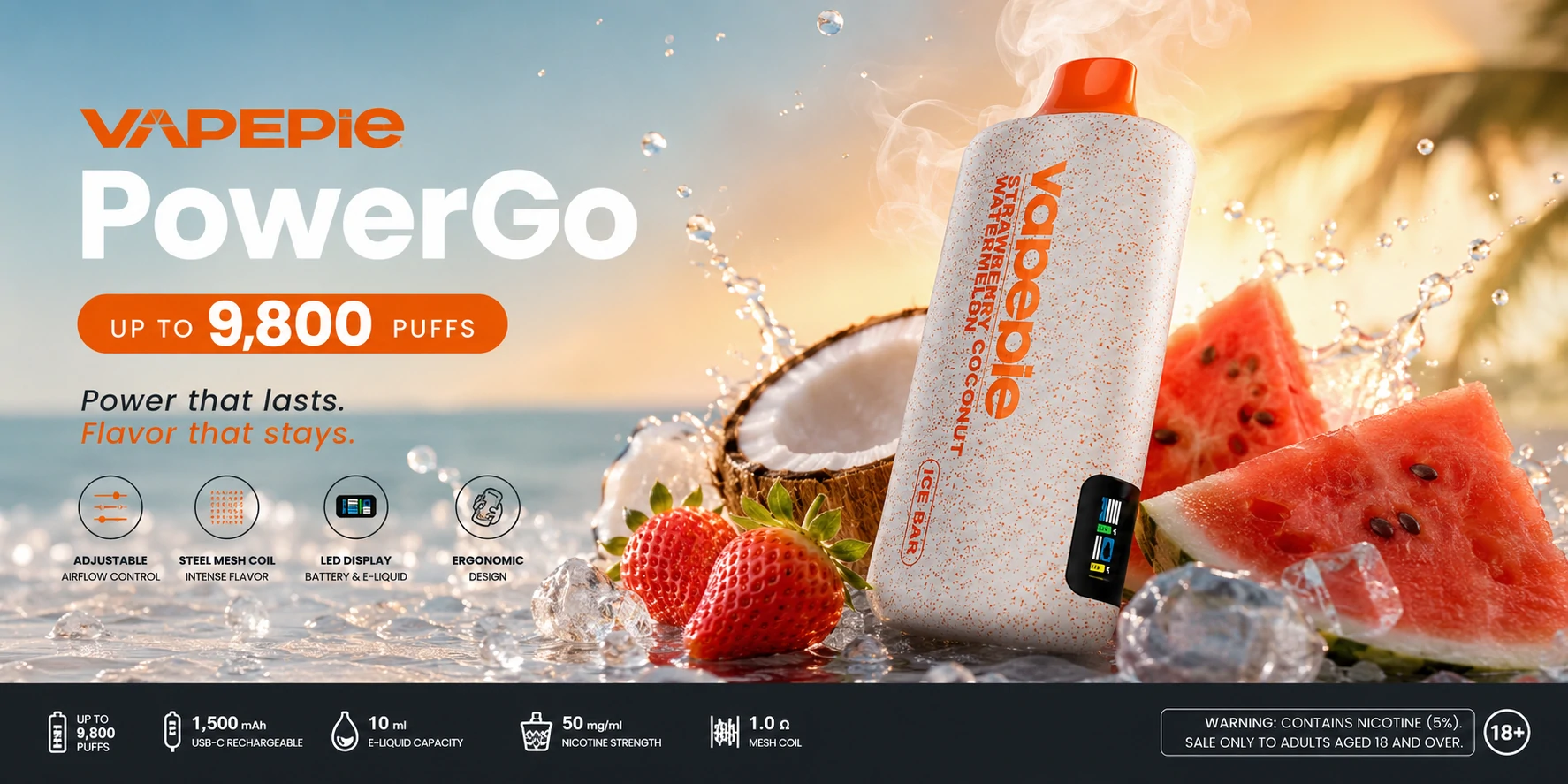
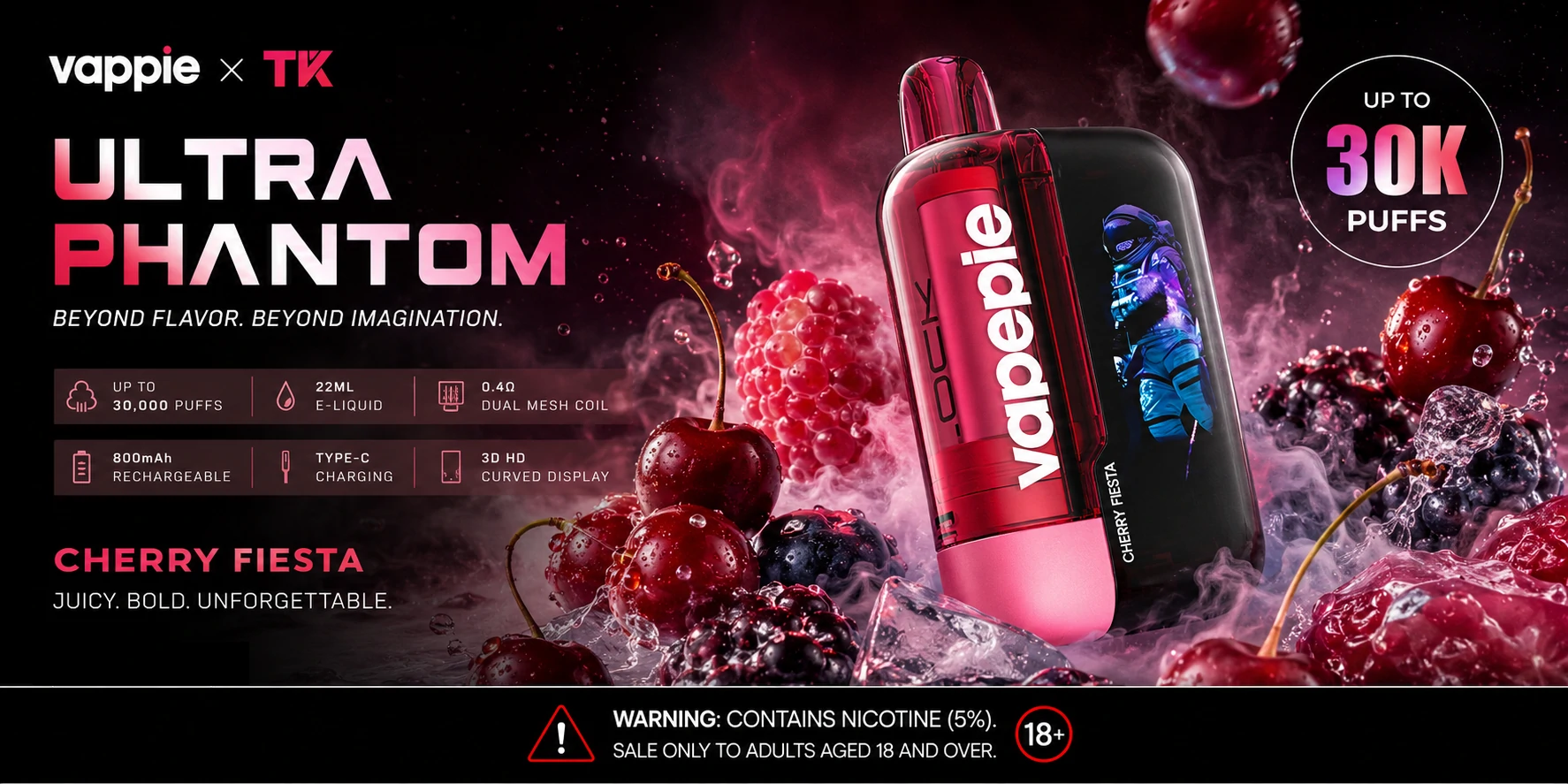
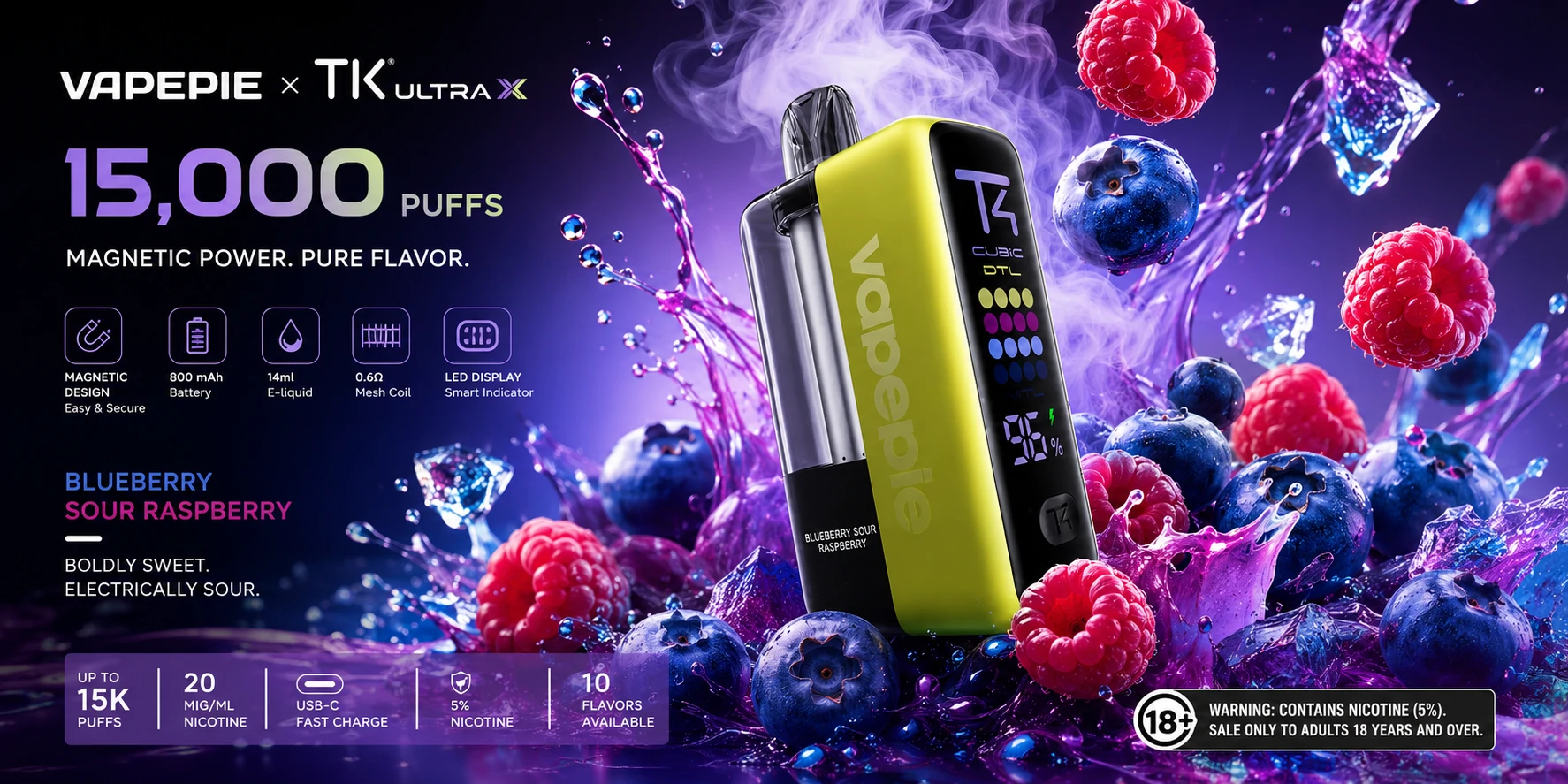
Products
Explore VAPEPIE devices
Select a product to view details, highlights, and technical specifications.