Vaping in 2026: The Truth About Nicotine, Regulation, and Your Next Move
A deep dive into the evolving world of vaping: new regulations, market shifts, and what they mean for smokers and vapers alike.
The landscape of vaping has shifted dramatically. By mid-2026, the industry is no longer the wild west it once was. New regulations, changing consumer habits, and a wave of scientific studies have reshaped everything from product design to marketing. For the average vaper or smoker considering a switch, this new reality brings both challenges and opportunities.
One of the most significant changes is the tightening of nicotine limits across many regions. The EU's Tobacco Products Directive has been updated, pushing nicotine strengths down to a maximum of 20mg/ml, while the UK and other countries are considering similar caps. This directly impacts the experience of many vapers, especially those who relied on high-strength salts to curb cravings. The result? A surge in demand for lower-nicotine alternatives and a renewed focus on harm reduction strategies.
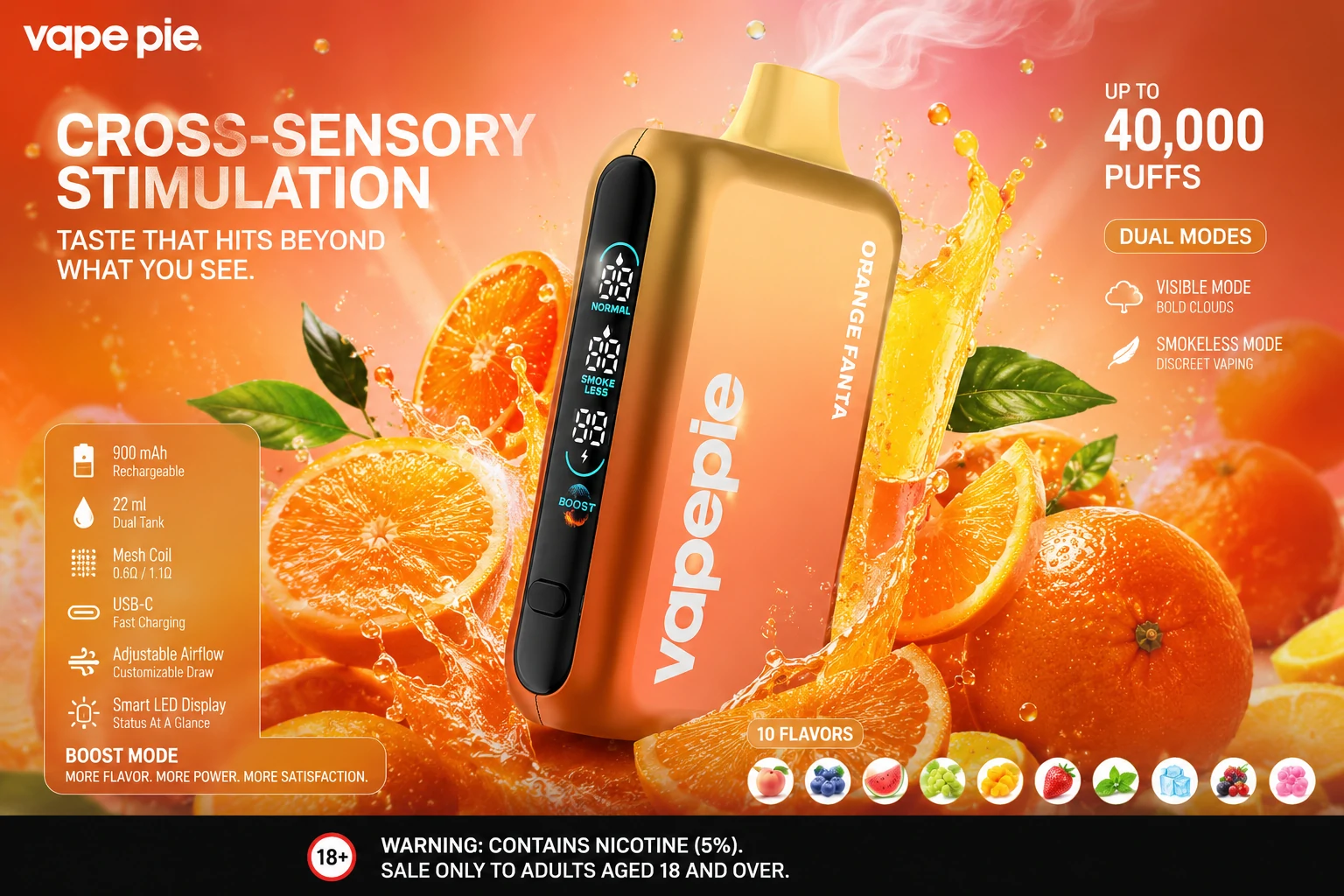
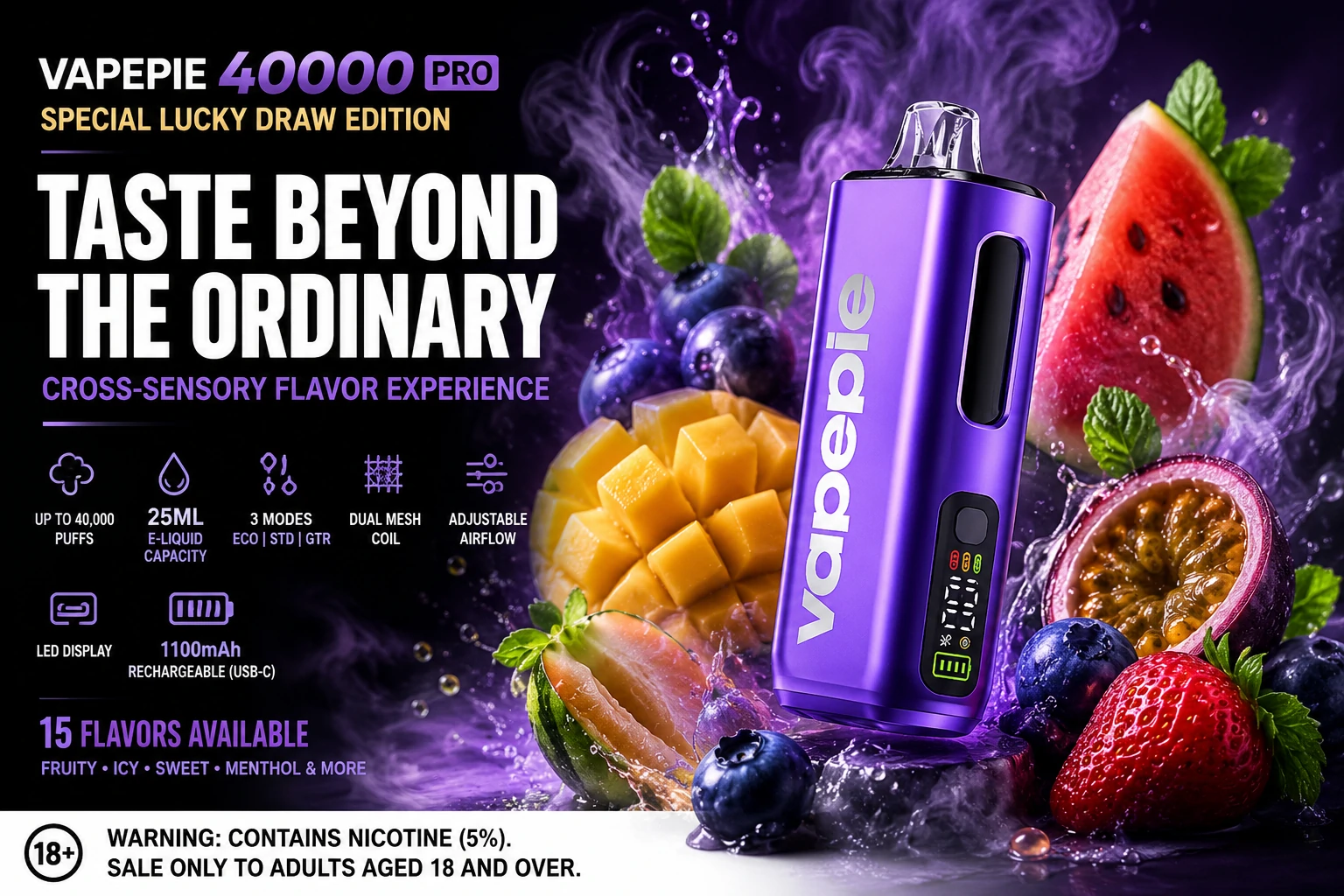
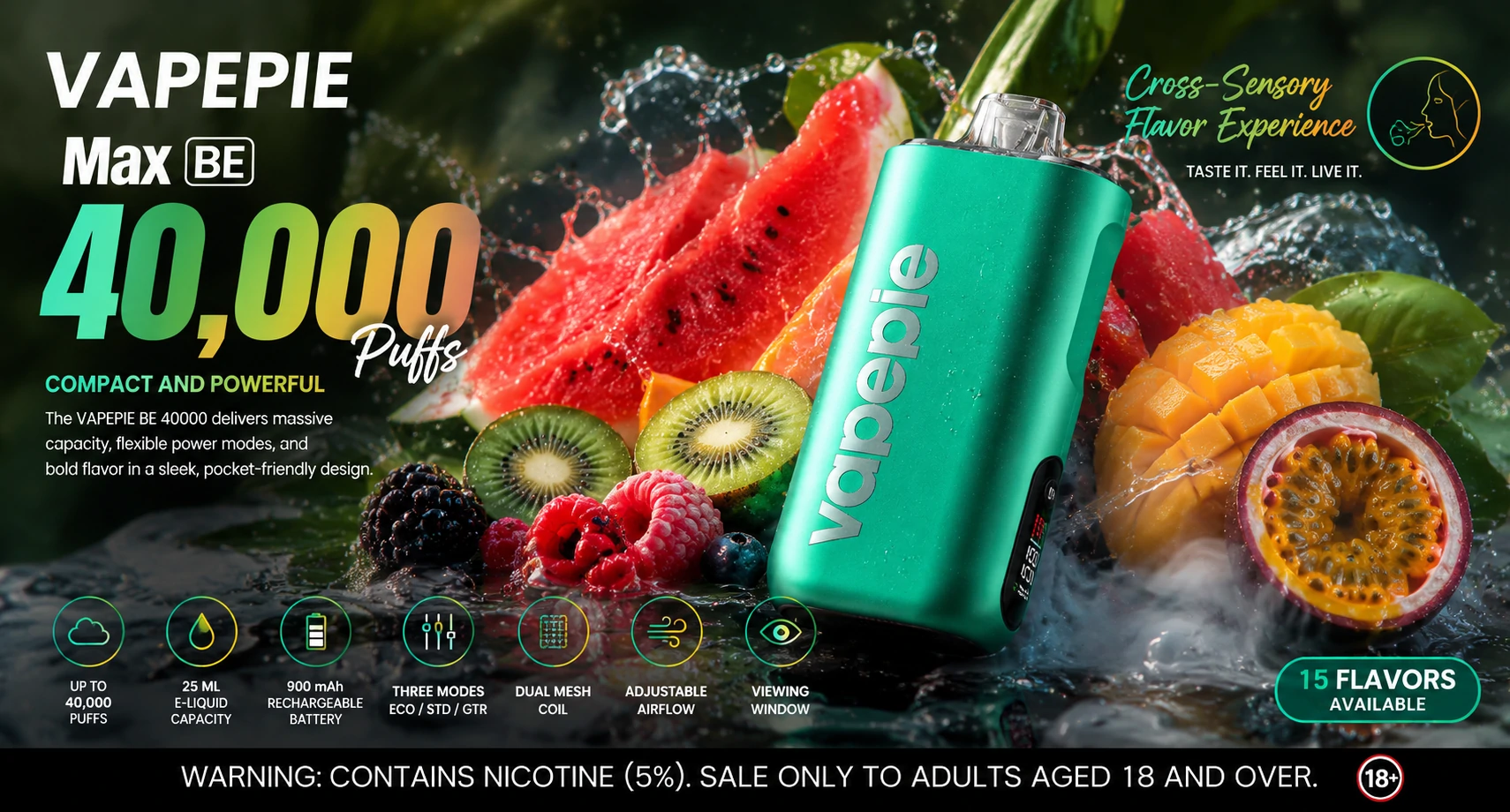
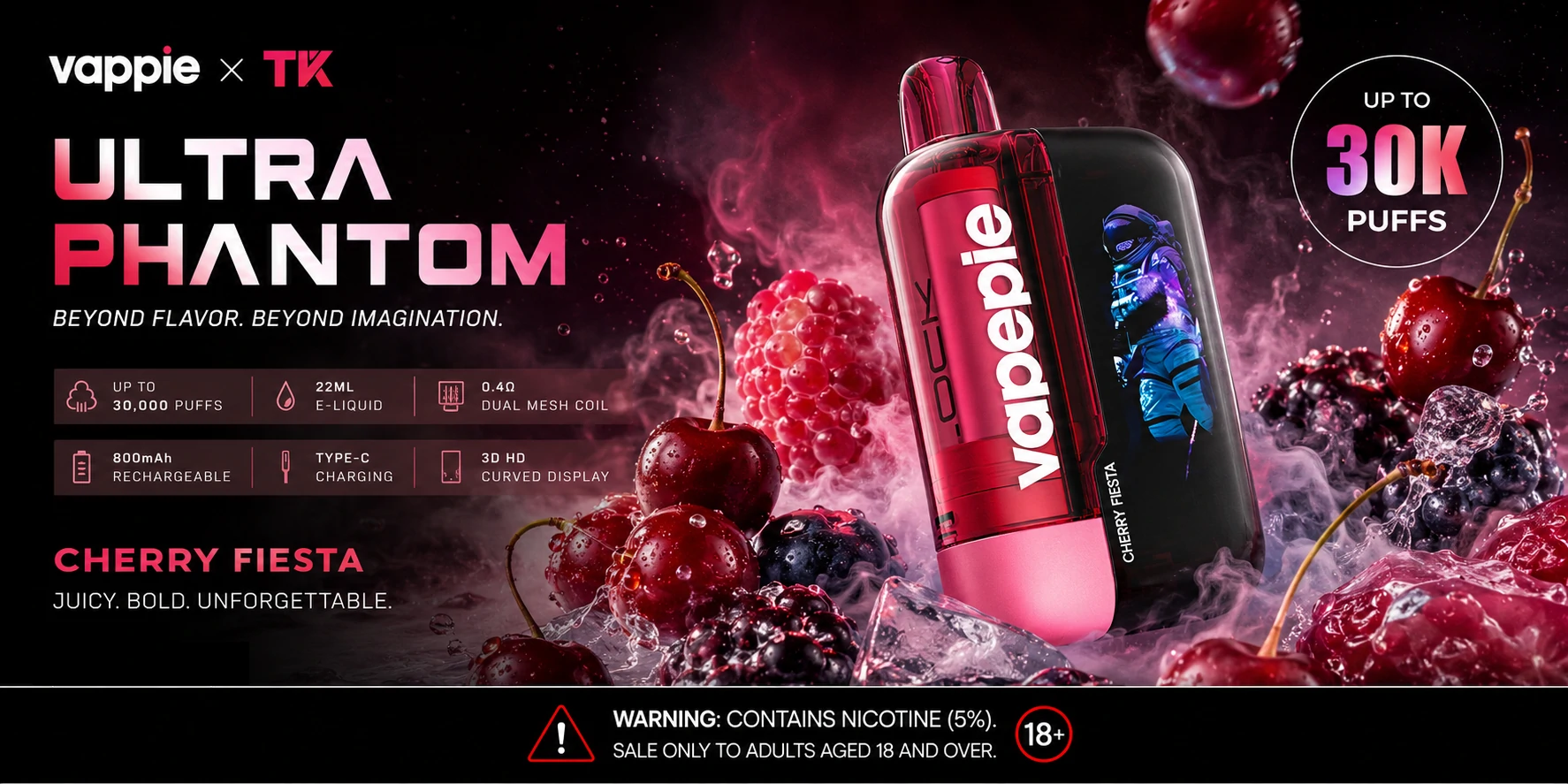
Meanwhile, the disposable vape market is facing a reckoning. Once a convenient entry point for smokers, disposables are now under fire for their environmental impact and appeal to youth. Several countries, including France and the UK, have implemented or proposed bans on single-use devices. This has forced manufacturers to pivot towards refillable pod systems and more sustainable designs. For consumers, this means more durable options, but also a steeper learning curve and potentially higher upfront costs.
Amidst these regulatory shifts, the science on vaping continues to evolve. Recent studies, such as a 2025 report from the Cochrane Review, reaffirm that vaping is significantly less harmful than smoking and can be effective for smoking cessation. However, long-term health effects remain unclear, and the rise in youth vaping has prompted public health campaigns that often blur the lines between nicotine and tobacco. It's crucial for vapers to stay informed and for smokers to weigh the evidence carefully.
For those looking to quit or switch, the key is to choose the right product and approach. Here's a quick checklist: 1) Determine your nicotine needs—consider using a calculator to find the right strength. 2) Opt for refillable devices over disposables to save money and reduce waste. 3) Stay updated on local regulations to avoid buying illegal or non-compliant products. 4) Set a quit date and gradually reduce nicotine levels over time.
The industry's future is also being shaped by innovation. Heat-not-burn products and nicotine pouches are gaining traction, offering alternative routes for nicotine delivery without combustion. These products are often less regulated than e-cigarettes, but they come with their own risks and benefits. As a consumer, it's essential to approach these new options with a critical eye and consult reliable sources.
In conclusion, the vaping world in 2026 is more complex but also more mature. Whether you're a seasoned vaper, a smoker exploring options, or a newcomer, the key is to stay informed, adapt to changes, and make choices that align with your health goals. Remember, the best choice is the one that moves you away from combustible tobacco. What's your next step?