The Vaping Paradox: Why 'Quit Smoking' Is Becoming a New Addiction for Teens
Discover how e-cigarettes, once seen as a safer alternative, are hooking a new generation. Uncover the data, trends, and what it means for public health.
In 2026, the vaping landscape has shifted dramatically. What began as a harm-reduction tool for adult smokers has morphed into a youth crisis. Recent data from the CDC indicates that over 2.5 million middle and high school students use e-cigarettes, with many unaware of the nicotine levels they're inhaling. The very products designed to help people quit are now creating a new generation of nicotine-dependent individuals.
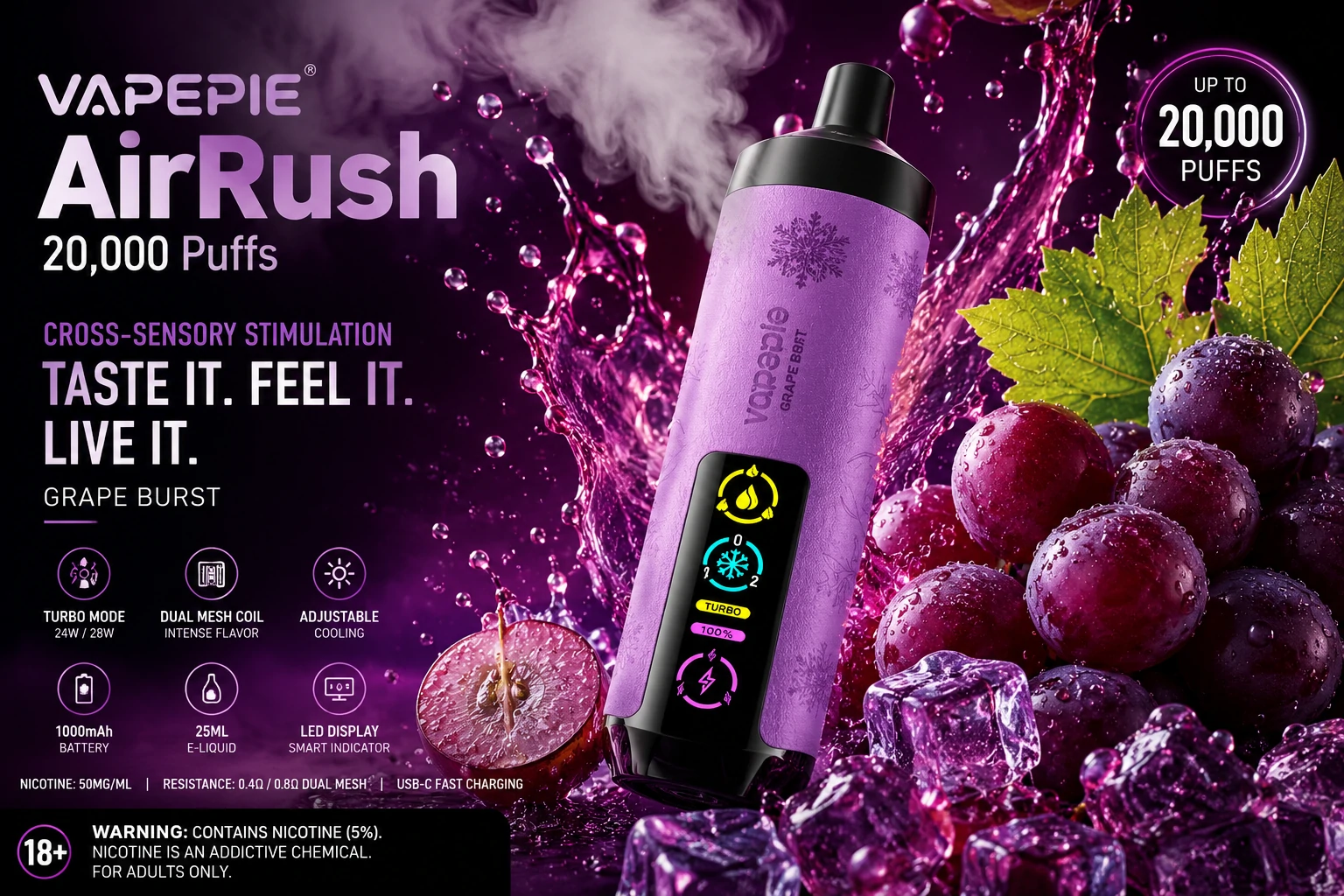
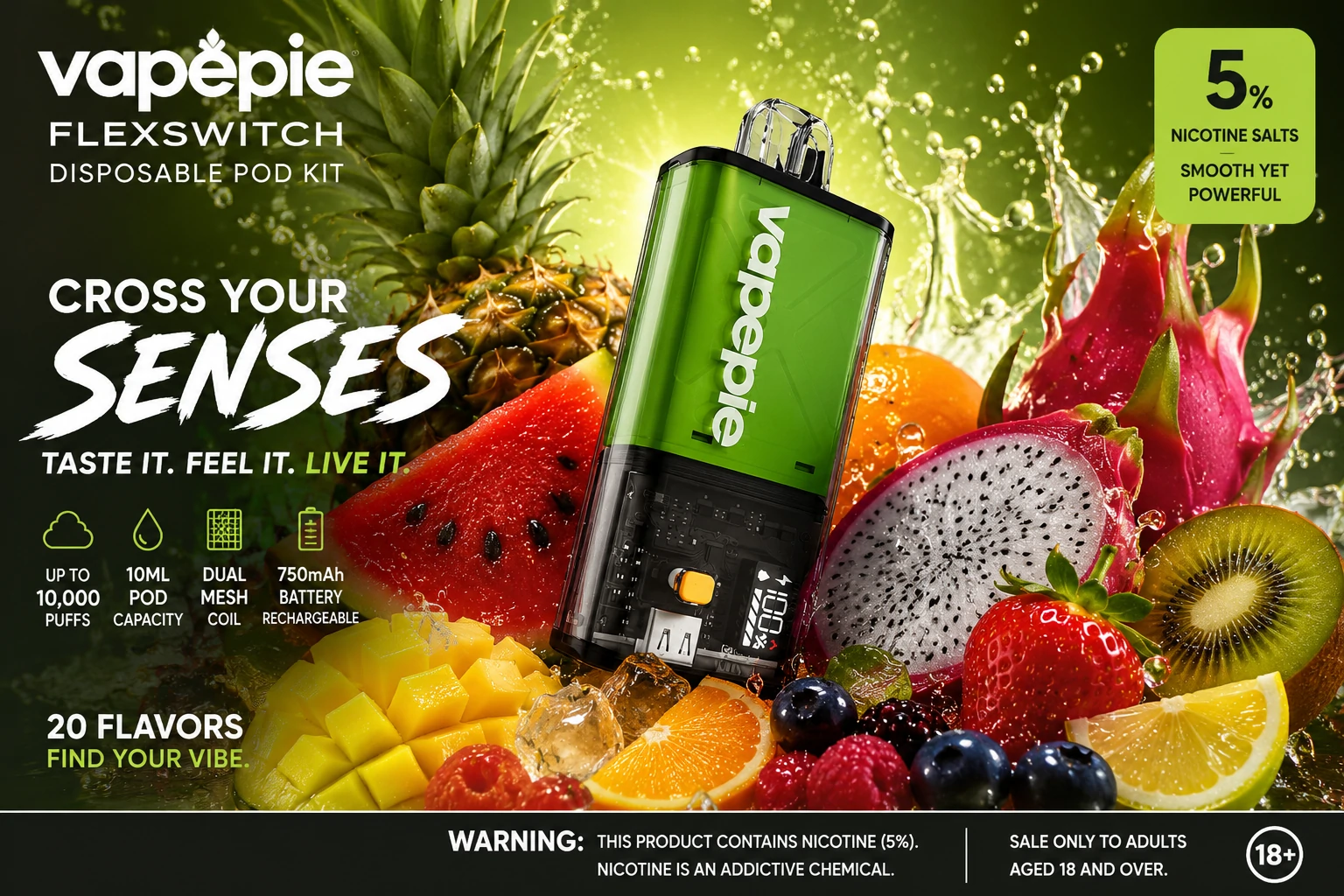
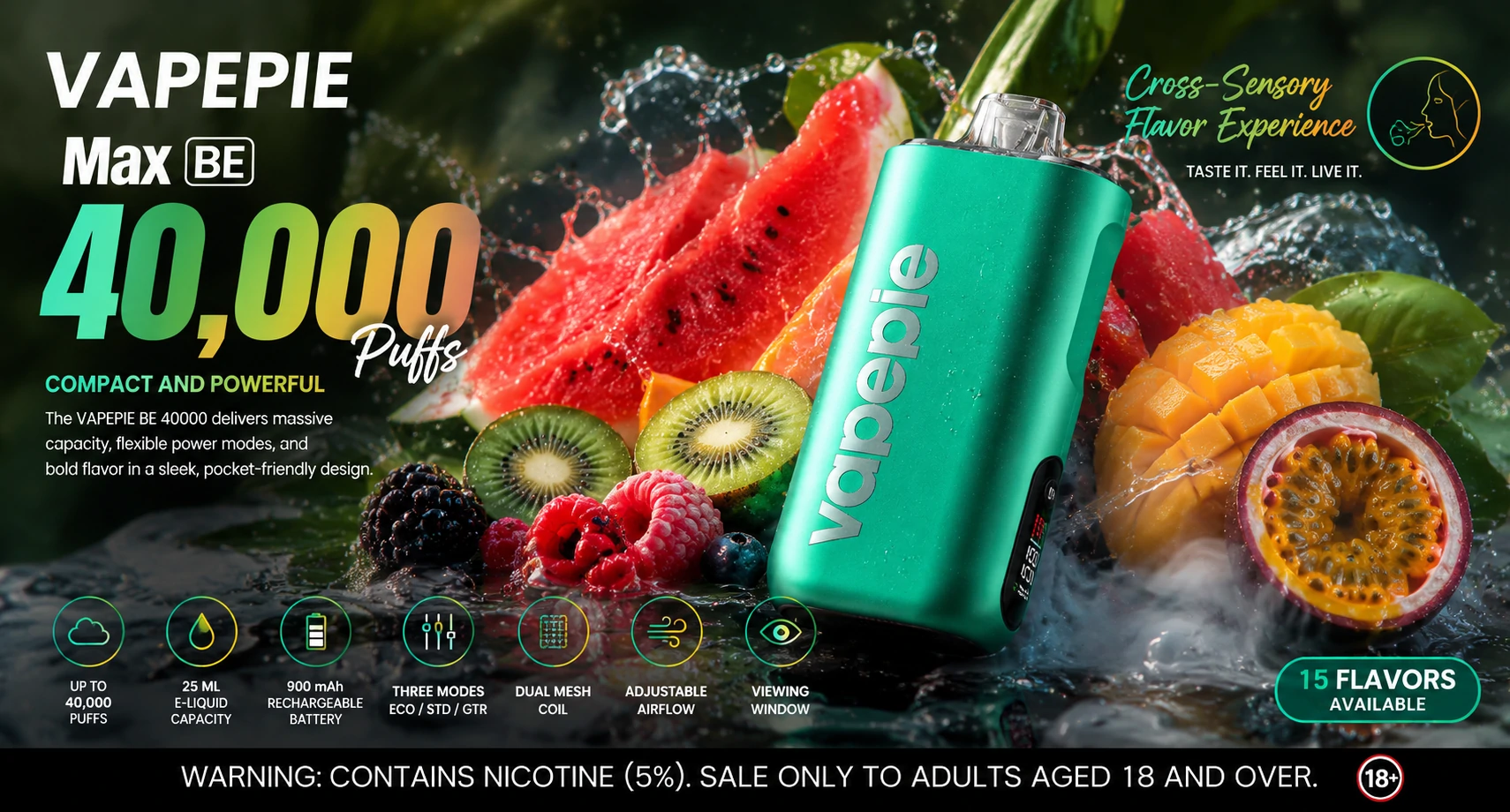
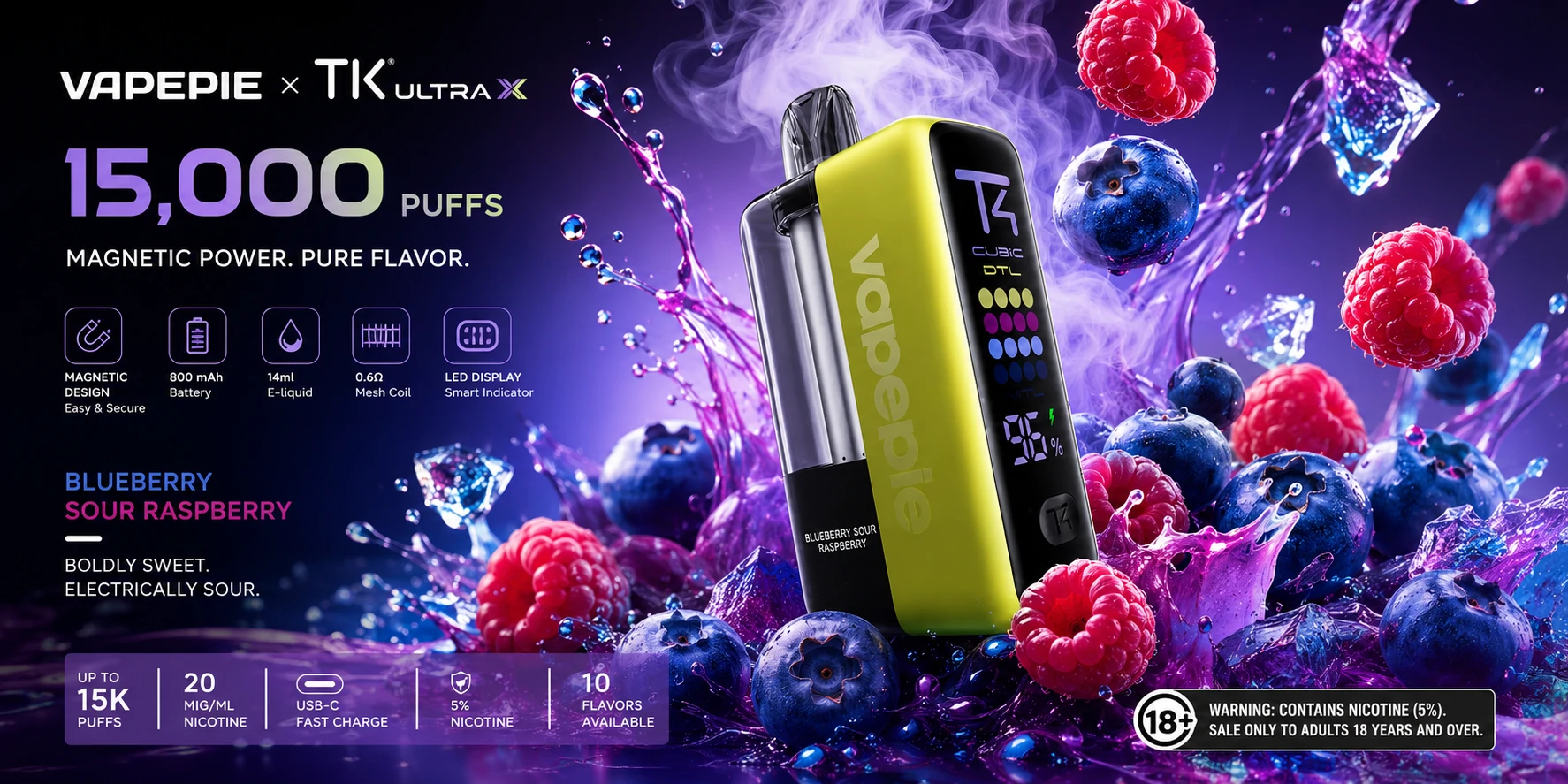
The core paradox lies in the marketing and perception. E-cigarettes are often positioned as 'safer' than traditional cigarettes, but 'safer' does not mean safe. A single JUUL pod can contain as much nicotine as a pack of cigarettes, and the sleek, tech-savvy designs appeal to a younger demographic. The rise of disposable vapes, with their fruity flavors and discreet forms, has made them the go-to choice for teens, bypassing age verification with ease.
But it's not just about nicotine. Recent studies have linked vaping to lung damage, cardiovascular issues, and even DNA changes. The long-term effects are still unknown, but the early evidence is concerning. Moreover, the addiction cycle is vicious: teens who start vaping are more likely to transition to traditional cigarettes, undermining the public health gains of the last decades.
Regulatory efforts are struggling to keep pace. While the FDA has banned most flavored pod-based e-cigarettes, loopholes remain. Disposable vapes, often imported, slip through the cracks, and online sales continue to flourish. The industry's constant innovation—new devices, new flavors—makes it a game of whack-a-mole for regulators. Meanwhile, schools and parents are left to deal with the fallout, often unprepared to address the issue.
So, what can be done? The answer lies in a multi-pronged approach: stricter enforcement of age restrictions, public education campaigns that debunk the 'safer' myth, and support for cessation programs tailored to youth. Parents need to have open conversations with their kids, and schools need to implement prevention curricula. The industry must also be held accountable, not just for its products but for its marketing practices that clearly target the youth.
As we look to the future, it's clear that the vaping epidemic is not just a health issue but a societal one. The choices we make today will determine the health of the next generation. It's time to move beyond the debate of 'safer than cigarettes' and focus on what truly matters: a smoke-free, vape-free future for all.
Share this article if you believe we need to protect our youth from the hidden dangers of vaping. What are your thoughts on the current regulations? Join the conversation below.