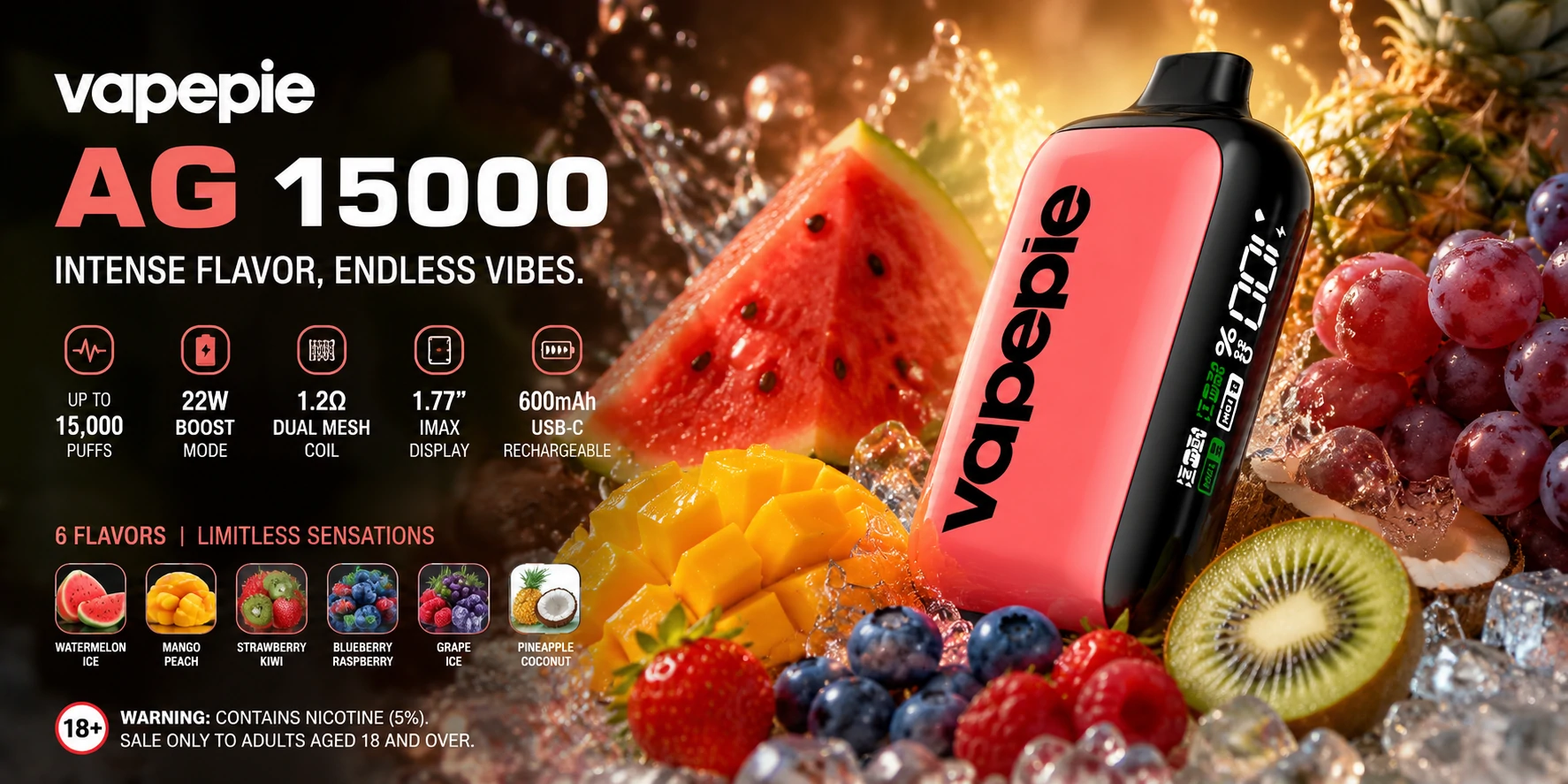
The Vape Industry's Next Decade: Trends, Risks, and Consumer Choices in 2026
Explore the evolving vape landscape in 2026: market shifts, regulatory changes, and consumer psychology. Essential insights for enthusiasts and industry watchers.
As we navigate 2026, the e-cigarette industry stands at a crossroads. Market dynamics have shifted dramatically since the early days of vaping, with consolidation, innovation, and stricter regulations reshaping the landscape. For enthusiasts and newcomers alike, understanding these changes is crucial for making informed choices. This analysis dives into the key trends defining the vape industry, from flavor bans to technological advancements, and what they mean for consumers.
One of the most significant shifts is the regulatory crackdown on disposable vapes. In 2025, several countries implemented bans on single-use e-cigarettes, citing environmental concerns and youth appeal. As a result, the market has pivoted towards refillable pod systems and innovative devices with replaceable batteries. For consumers, this means higher upfront costs but lower long-term expenses and reduced environmental impact. But does this shift truly address the youth vaping epidemic? Data suggests that while youth vaping rates have declined, they remain concerning, prompting further regulatory scrutiny.
Consumer psychology has also evolved. The initial appeal of vaping as a 'safer' alternative to smoking has been tempered by growing awareness of potential health risks. Today's vapers are more discerning, seeking products with transparent ingredient lists and third-party lab testing. Brands that prioritize quality and safety are gaining loyalty, while those relying on flashy marketing are losing ground. Interestingly, the rise of nicotine salts has allowed higher nicotine concentrations, satisfying former smokers more effectively, but also raising addiction concerns. This tension between harm reduction and addiction is a central theme in the industry's narrative.
Technological innovation continues to drive the market forward. Temperature control, leak-proof designs, and smart devices that sync with apps to track usage are just a few examples. These features appeal to tech-savvy consumers who view vaping as a lifestyle choice rather than just a smoking cessation tool. However, as devices become more sophisticated, the barrier to entry for new vapers increases, potentially alienating those looking for a simple alternative to cigarettes. The industry must balance complexity with accessibility to sustain growth.
Industry consolidation is another key trend. In 2025, major tobacco companies acquired several leading vape brands, integrating them into their portfolios. This move has sparked debate: does it legitimize vaping or undermine its harm-reduction potential? On one hand, big tobacco's involvement brings financial stability and distribution power. On the other, it raises concerns about marketing tactics and the industry's commitment to public health. For consumers, this consolidation means fewer independent brands and a potential homogenization of products, but also greater availability and lower prices in some markets.
Looking ahead, the vape industry's future will be shaped by ongoing research on health effects, evolving regulations, and consumer preferences. The next decade will likely see further product innovation, perhaps even 'smart' vapes that adjust nicotine delivery based on individual habits. However, the industry must navigate a complex ethical landscape, balancing profit with responsibility. For consumers, staying informed is paramount. Whether you're a seasoned vaper or considering making the switch, understanding these trends will help you make choices that align with your values and health goals.
In conclusion, the vape industry is in a state of flux, driven by regulatory pressures, technological advancements, and shifting consumer attitudes. The key takeaway is that informed consumers are empowered consumers. As the landscape evolves, those who stay abreast of changes will be better equipped to navigate the market. We invite you to share your thoughts: How do you view the industry's direction, and what factors influence your vaping choices? Join the conversation below.