The Vape Hardware Wars: How Device Innovation Is Outpacing Regulation
From temperature control to Bluetooth-connected pods, vaping hardware has evolved at Silicon Valley speed. But the features that improve the experience for adult ex-smokers also make these devices more appealing to teens.
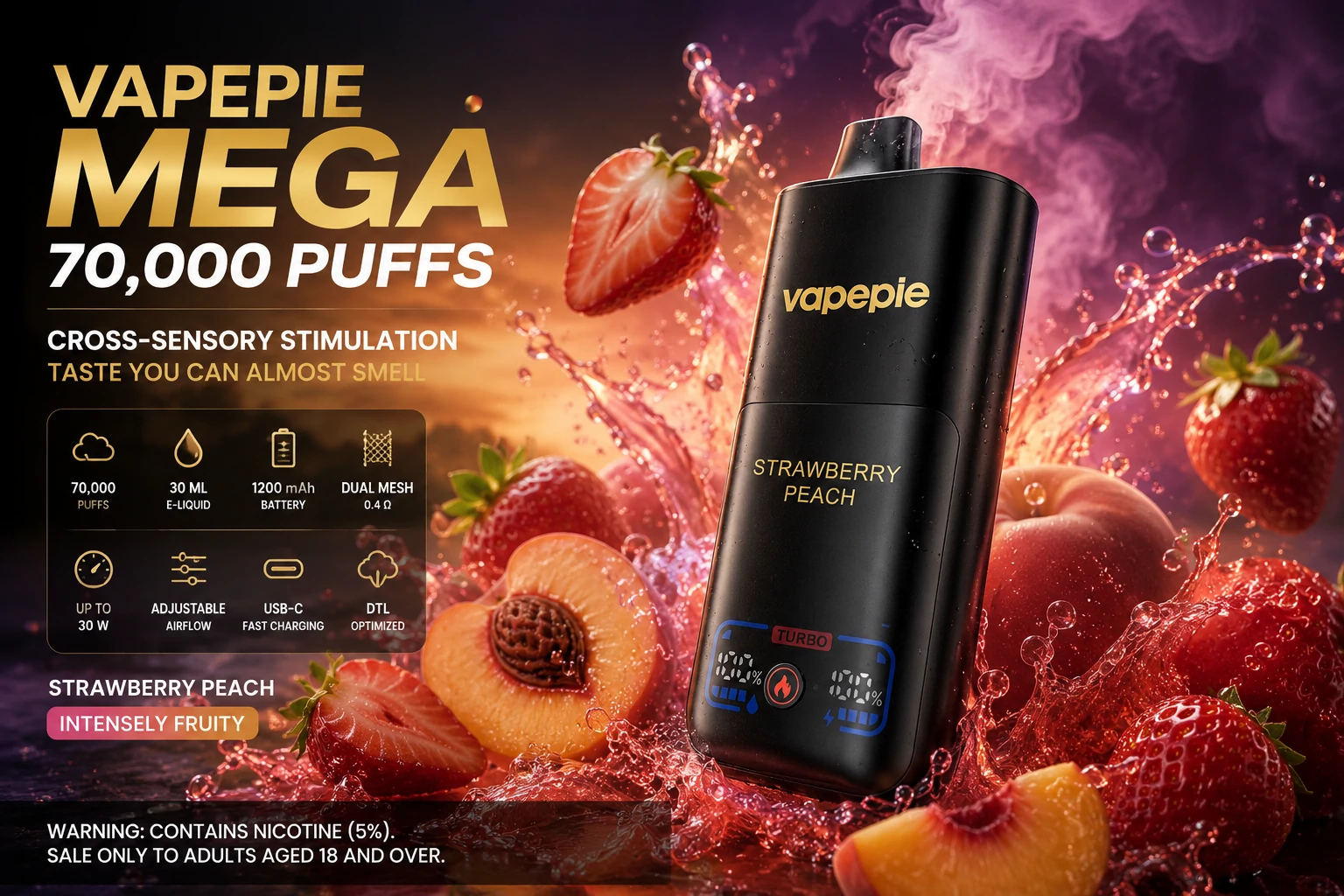
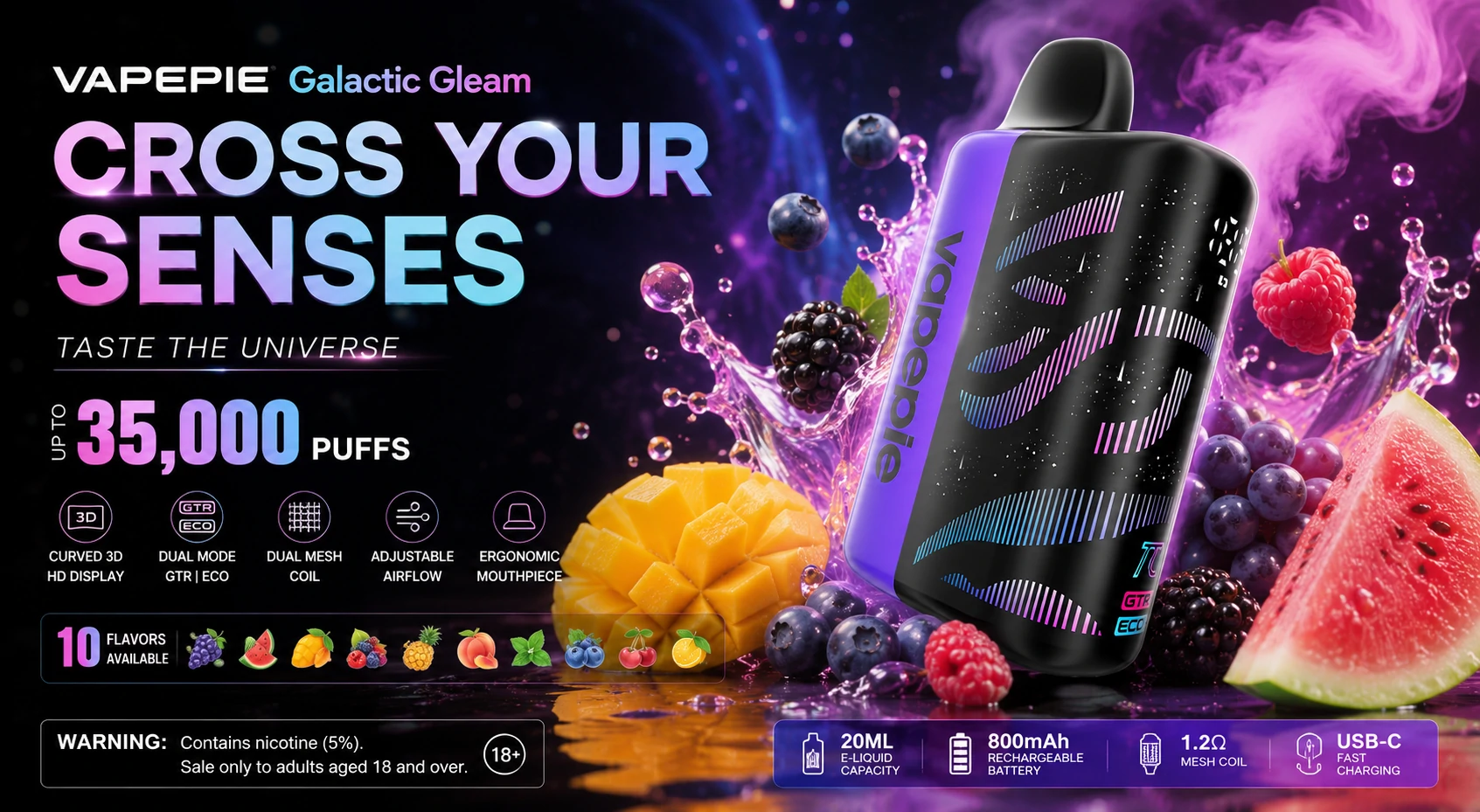
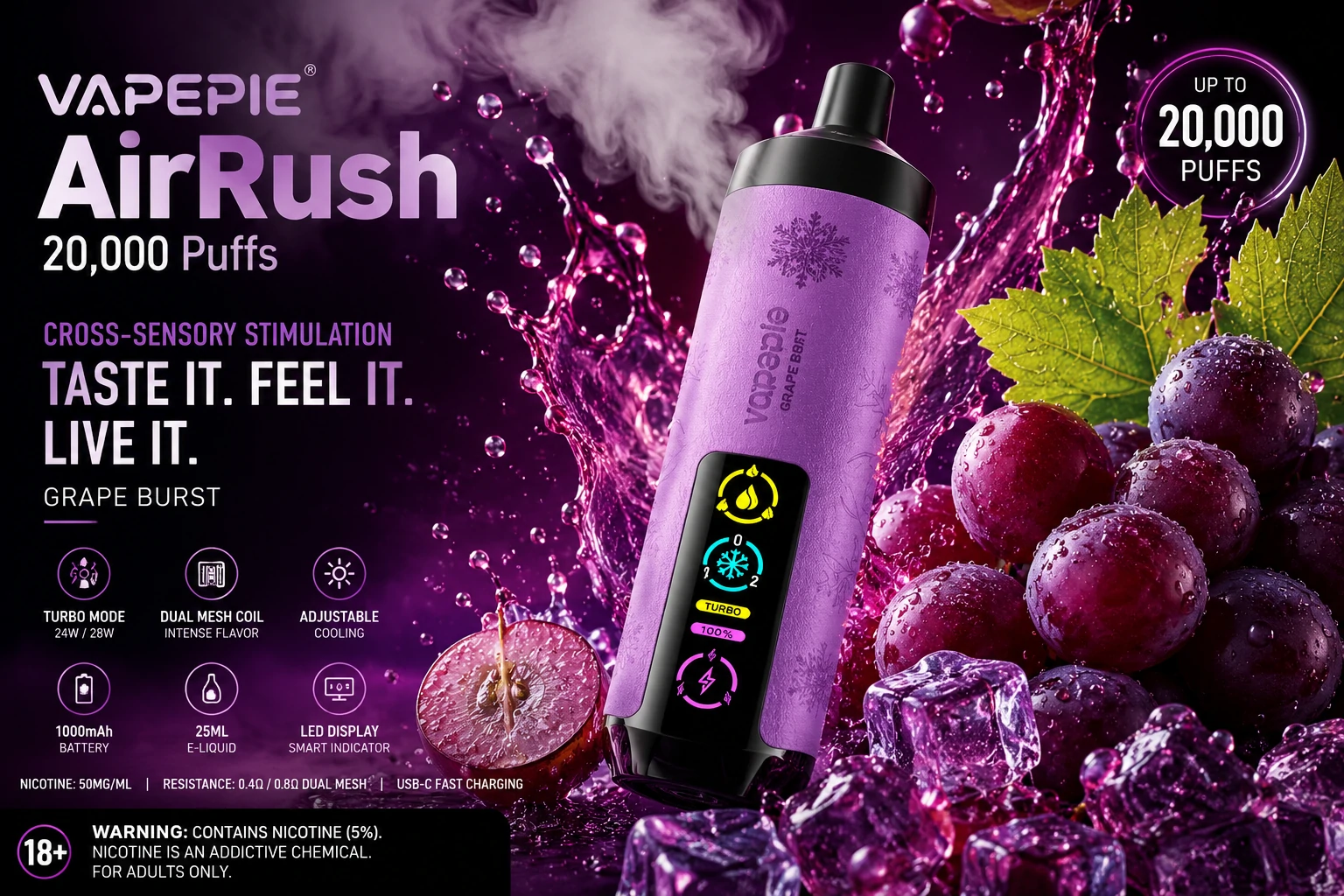
In 2003, the first commercial e-cigarette—invented by Chinese pharmacist Hon Lik—was a clunky, cigarette-shaped device with a tiny battery and a cotton wick. It produced a wispy, unsatisfying vapor and lasted about as long as a pack of cigarettes. Fast forward two decades, and the vape shop counter looks like an Apple Store. Devices feature OLED displays, variable wattage up to 200W, temperature control accurate to within 5°C, Bluetooth connectivity to smartphone apps that track usage patterns, and replaceable coils made from mesh, ceramic, or titanium. The hardware has evolved faster than regulators can classify it, and the gap between what the technology can do and what the law can manage grows wider every year.
The hardware revolution has been driven by a culture of enthusiast innovation that closely parallels the early personal computer movement. In online forums and YouTube channels, 'modders'—vapers who build and customize their own devices—share circuit diagrams, firmware code, and build tutorials. Chinese manufacturers in Shenzhen rapidly commercialize the most popular designs, shrinking development cycles to months rather than years. The open-system model, where users can mix and match batteries, tanks, and coils from different manufacturers, has created an ecosystem of interoperable components that defies centralized control. When one jurisdiction bans a particular feature—as the EU did with tanks larger than 2ml—manufacturers simply ship the same device with a silicone plug that users can remove in seconds.
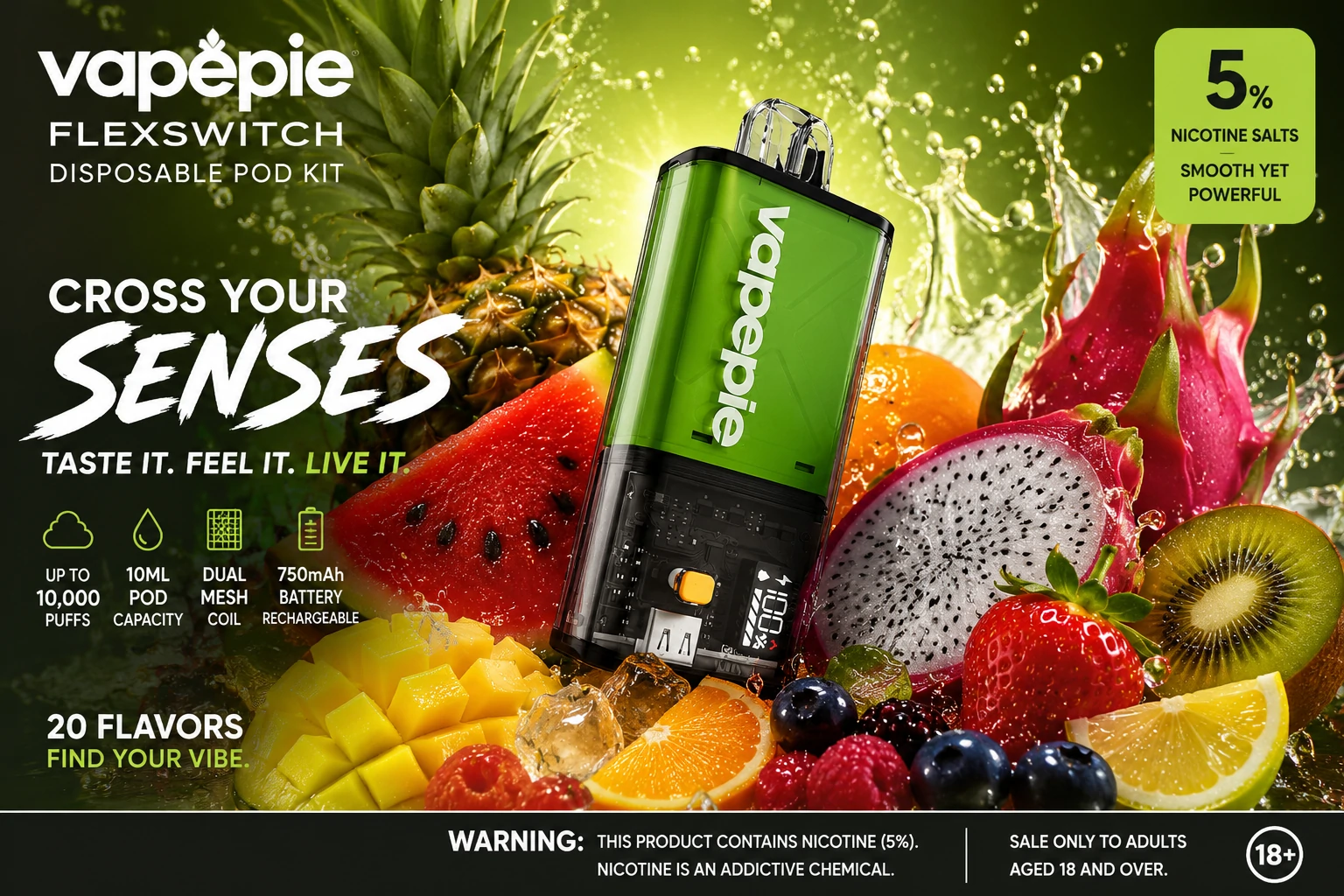
The most consequential hardware innovation of recent years has been nicotine salt e-liquids and the low-power 'pod' devices designed to deliver them. Traditional freebase nicotine e-liquid produces a harsh throat hit at high concentrations, naturally limiting the nicotine dose that users find tolerable. Nicotine salts, created by adding benzoic acid to freebase nicotine, smooth out the throat hit while dramatically increasing the speed and efficiency of nicotine delivery to the brain. Paired with compact, low-power pod devices, nicotine salts can deliver a nicotine experience that approaches the pharmacokinetics of a cigarette—the 'rush' that smokers describe as instant relief. For adult smokers trying to switch, this is a breakthrough. For teenagers experimenting with their first disposable, it's a disaster—a product so smooth and potent that dependence can develop within days.
The connectivity features arriving in the newest generation of devices open a privacy frontier that has received almost no regulatory attention. Bluetooth-enabled vapes, such as JUUL's briefly available C1 model and several Chinese-market devices, can track every puff: when, where, how long, at what power. Aggregated, this data reveals detailed behavioral patterns that are a marketer's dream—and a public health researcher's ethical minefield. Who owns the data from your vape? The manufacturer's terms of service typically claim broad rights to collect and commercialize usage data, but consumers rarely read them. The potential for this data to be used for targeted marketing—offering a discount precisely when a user's consumption pattern suggests they might be trying to quit—is not hypothetical. It's the business model of surveillance capitalism applied to addiction.
The regulatory response to hardware innovation has been fragmented and reactive. The EU's Tobacco Products Directive regulates nicotine concentration, tank capacity, and leak-proof requirements but has little to say about Bluetooth connectivity, app ecosystems, or the repairability and recyclability of devices. The FDA's premarket tobacco product application (PMTA) process evaluates products one at a time—a framework designed for a market with dozens of products that now faces thousands. The result is a market where authorized products coexist with unauthorized ones that are functionally identical, distinguished only by whether the manufacturer had the resources to navigate the regulatory process. The most innovative products, often from small companies that can't afford the PMTA pathway, remain technically illegal while selling alongside authorized products from multinational corporations.
Some hardware trends point toward a more responsible future. A growing movement of 'right to repair' advocates within the vaping community is pushing for devices with replaceable batteries, standard coil formats, and open firmware—design principles that extend product lifespan and reduce waste. Several manufacturers have introduced child-resistant packaging and authentication features that help consumers distinguish genuine products from counterfeits. The next generation of devices may incorporate biometric locks, usage limits, and parental controls—features that the industry could adopt voluntarily as a demonstration of responsibility, or that regulators could mandate as a condition of market access.
The hardware question is ultimately about who controls the nicotine experience. In an open system, users control every variable: power, temperature, airflow, nicotine concentration, flavor. This maximizes the product's utility as a smoking substitute—adult users can precisely tune their experience to what they need to stay off cigarettes. In a closed system, the manufacturer controls the experience, and with it, the capacity to implement safety features, limit abuse potential, and prevent tampering. The ideal regulatory framework would preserve the customization that makes vaping an effective cessation tool while restricting the features—like smartphone apps that gamify consumption or cartoon-themed interfaces—that add nothing to the cessation use case and everything to youth appeal. That framework doesn't exist yet. And technology isn't waiting for it.