The Vape Hardware Arms Race: From Cigalikes to Temperature-Controlled Mods—and Back Again
The technological evolution of vaping devices—from simple cigarette-like devices to powerful, customizable mods to the current generation of disposable and pod-based systems—reflects a market searching for the optimal balance of satisfaction, convenience, and risk. The technology is not neutral with respect to health.
The first-generation e-cigarette—the 'cigalike'—looked like a cigarette, felt like a cigarette (approximately), and delivered nicotine like a very weak, unsatisfying cigarette. It was a proof of concept: nicotine could be delivered without combustion. But the cigalike's limitations—poor battery life, low nicotine delivery, inconsistent performance—made it a niche product, used primarily by the small community of early adopters who were willing to tolerate its flaws for the promise of a safer alternative to smoking. The cigalike was a cigarette substitute, and like most substitutes, it was inferior to the original. The technology needed to evolve.
It evolved rapidly. Second-generation devices—'vape pens' and 'eGo-style' batteries—offered larger batteries, refillable tanks, and higher power output, enabling better nicotine delivery and vapor production. Third-generation devices—'mods' (modified flashlights, in the original DIY incarnation) and 'box mods'—added variable voltage and wattage, temperature control, sub-ohm coils (coils with resistance below 1 ohm, enabling higher power and larger vapor clouds), and the capacity for extensive customization. The third-generation devices were not cigarette substitutes. They were a new category of product altogether—a nicotine delivery platform that could be tuned by the user to optimize for flavor, vapor production, throat hit, or nicotine satisfaction, depending on preference. The enthusiast community that emerged around these devices—cloud-chasers, coil-builders, flavor-hunters—was a subculture as much as a consumer segment, with its own norms, hierarchies, and identity.
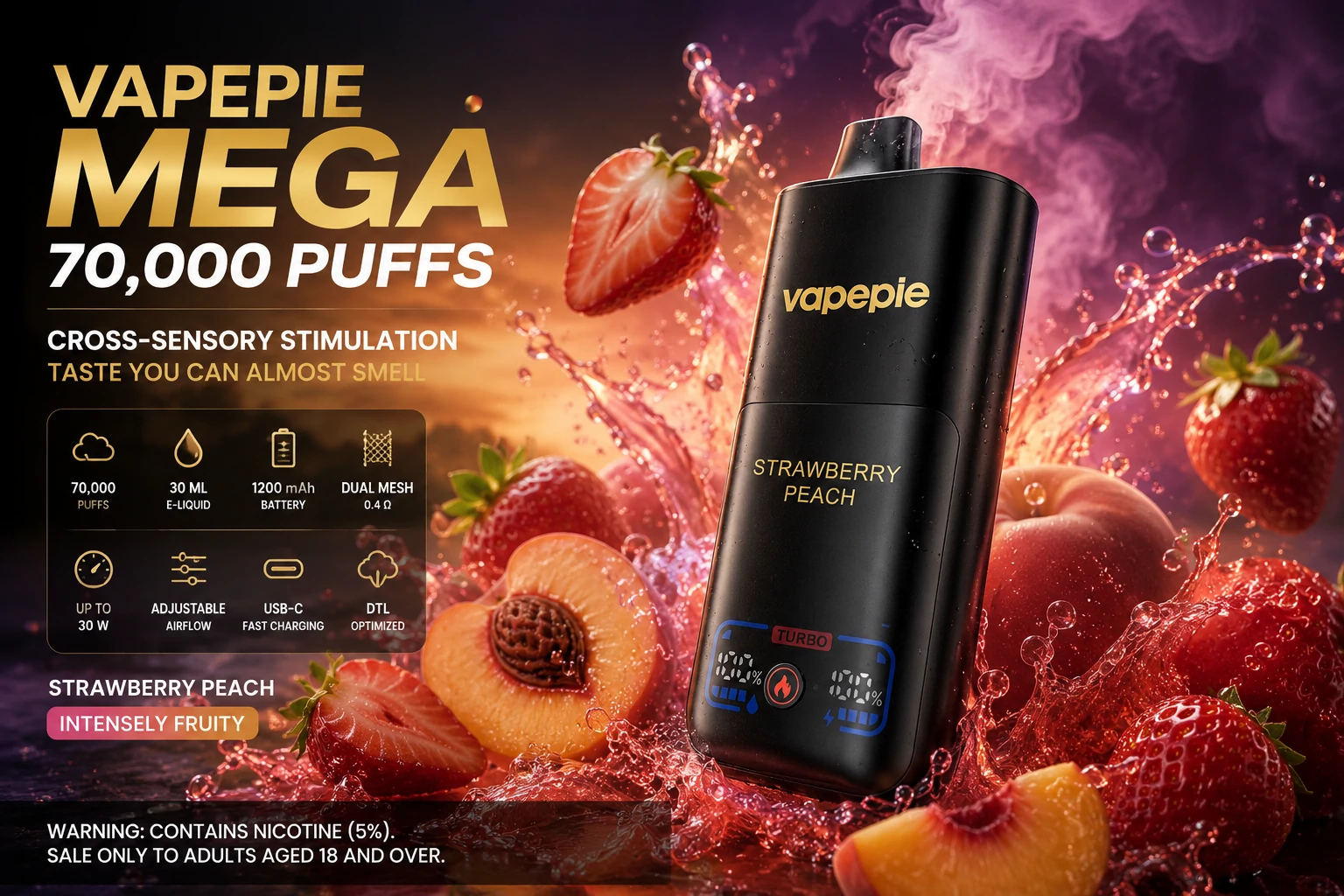
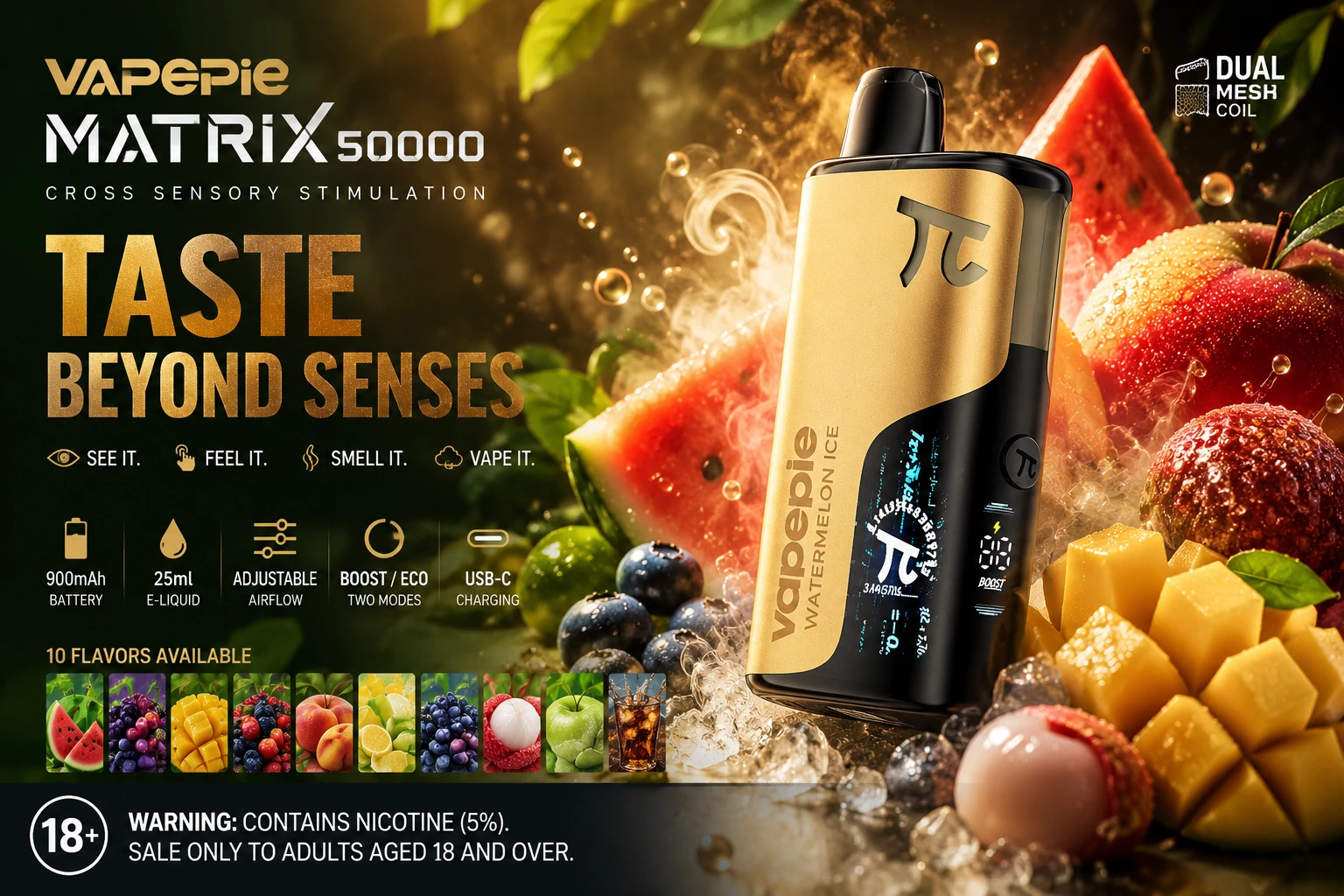
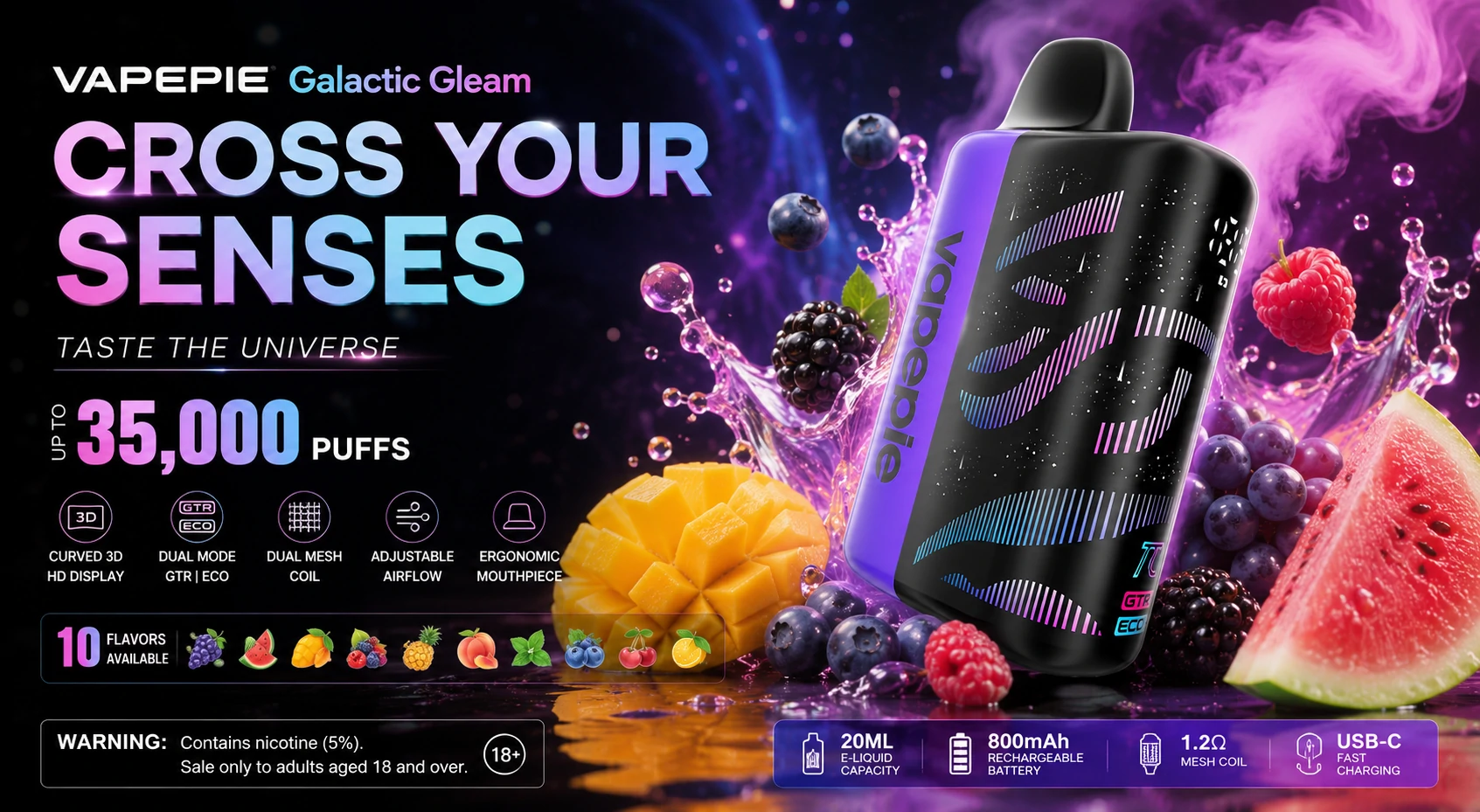
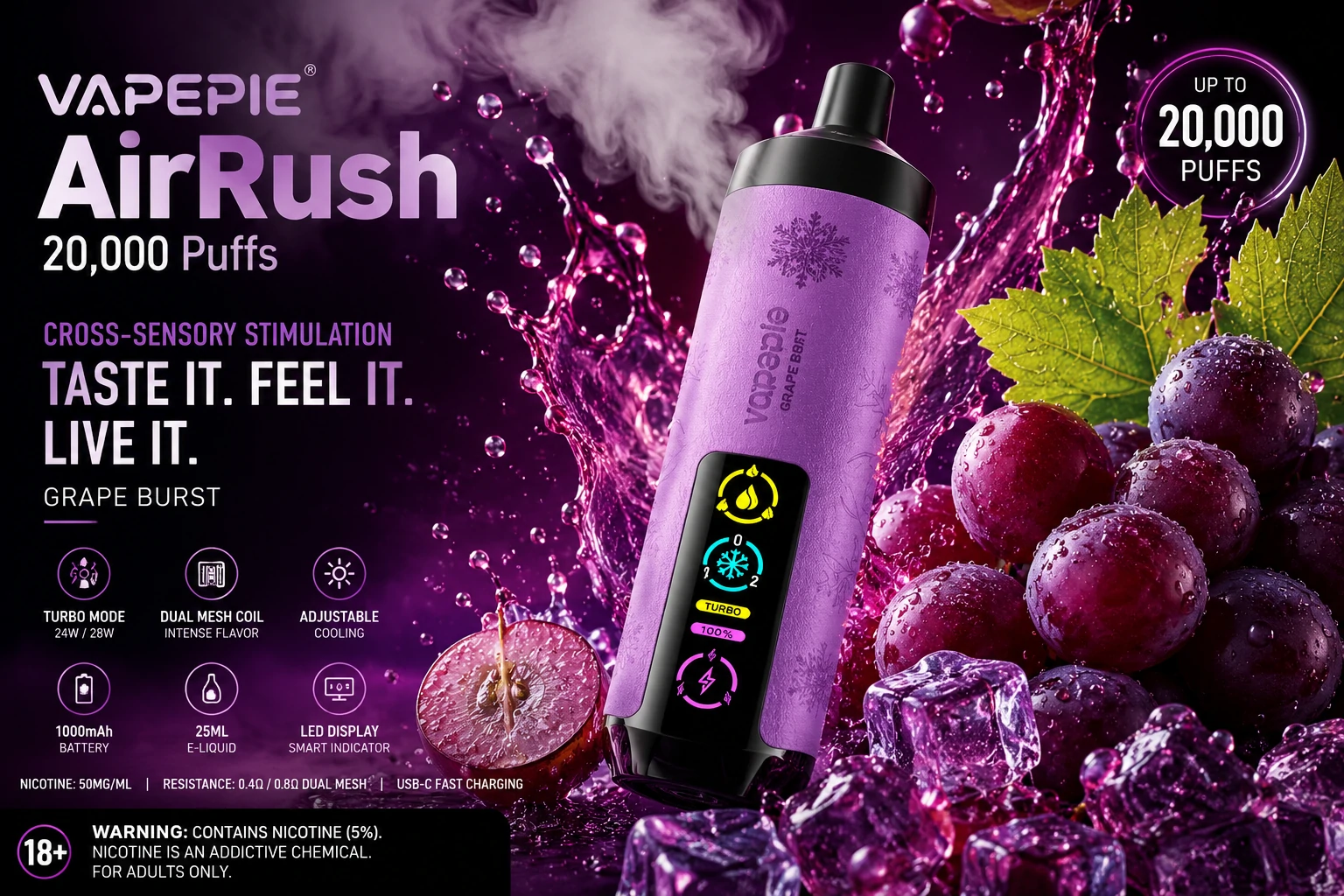
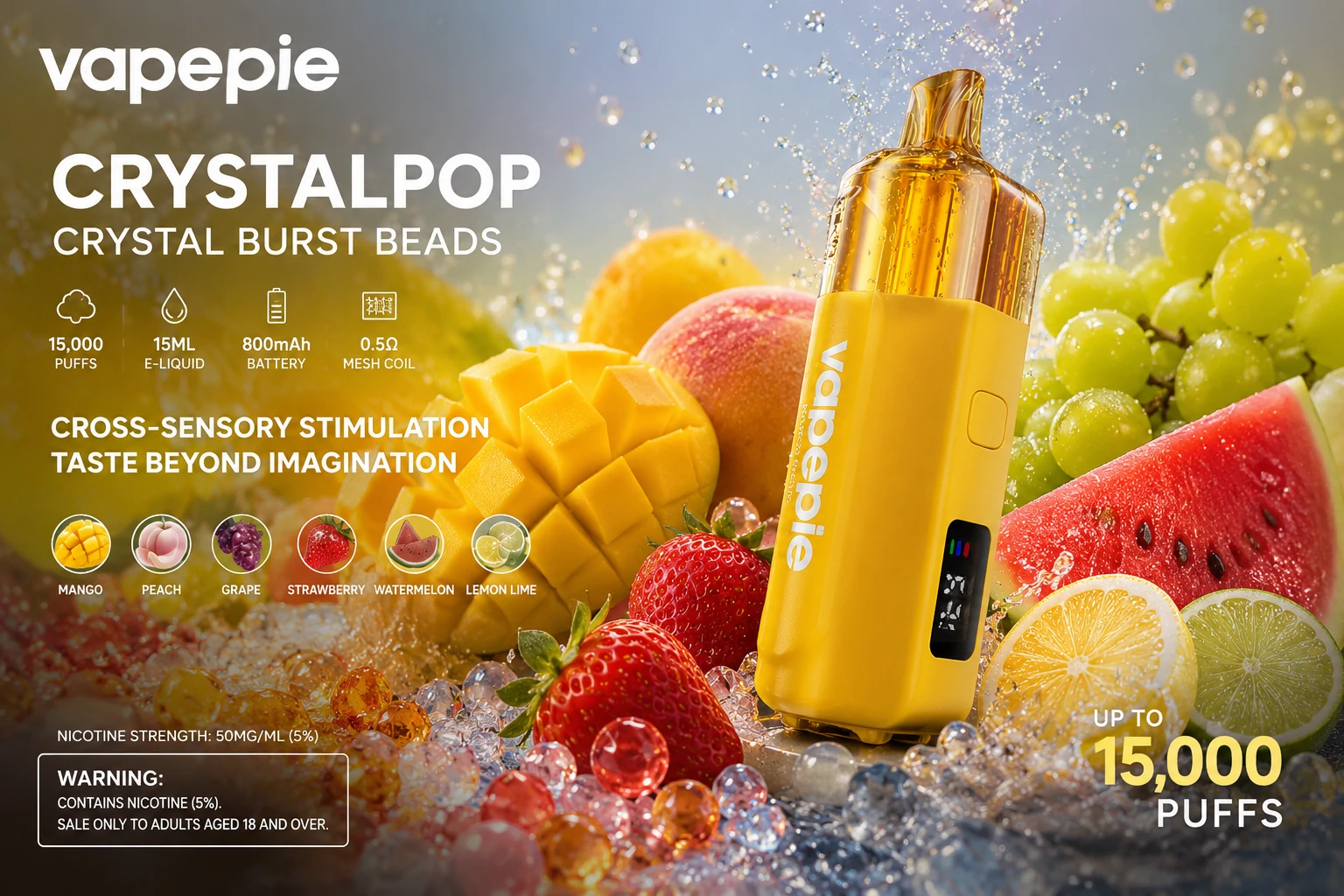
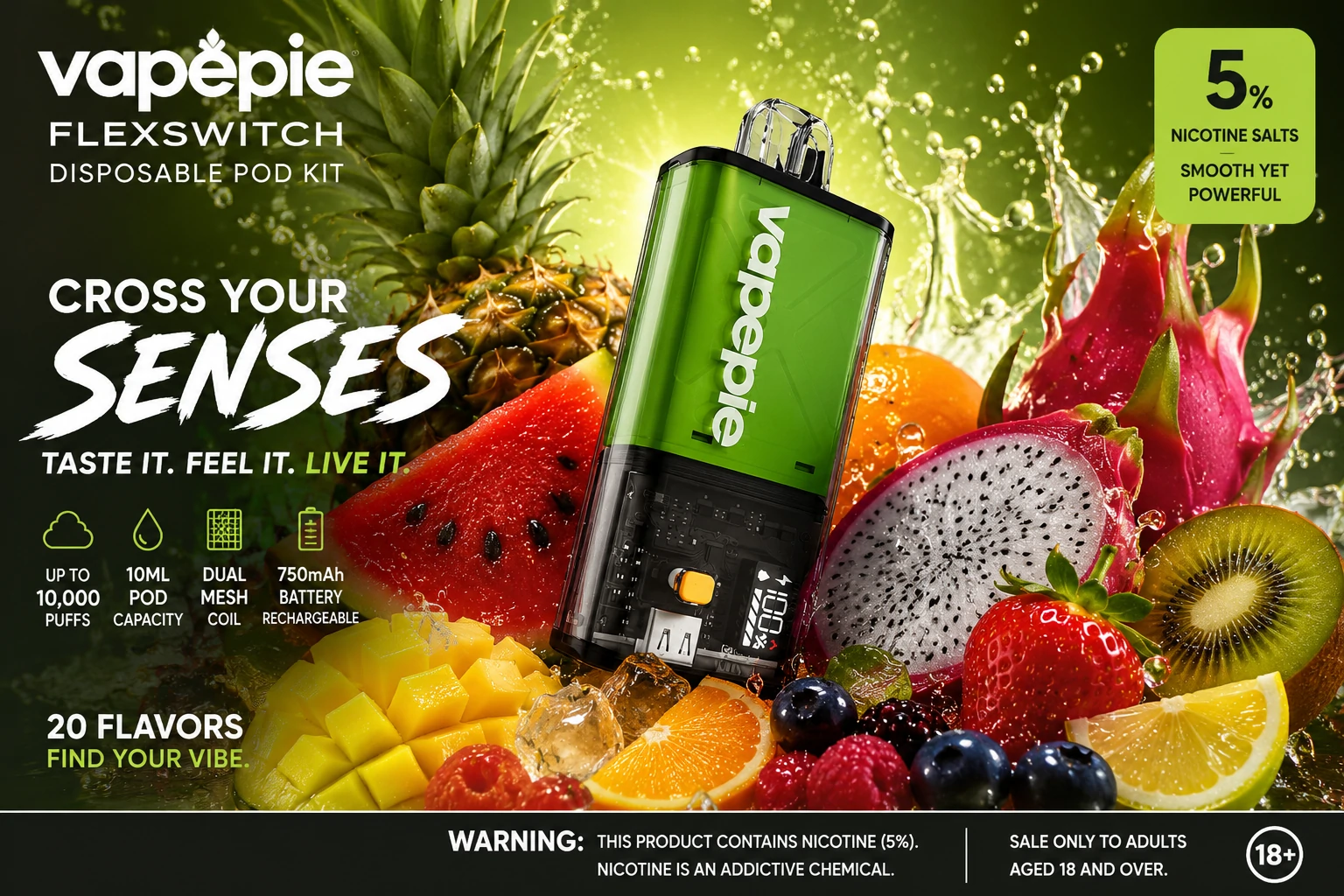
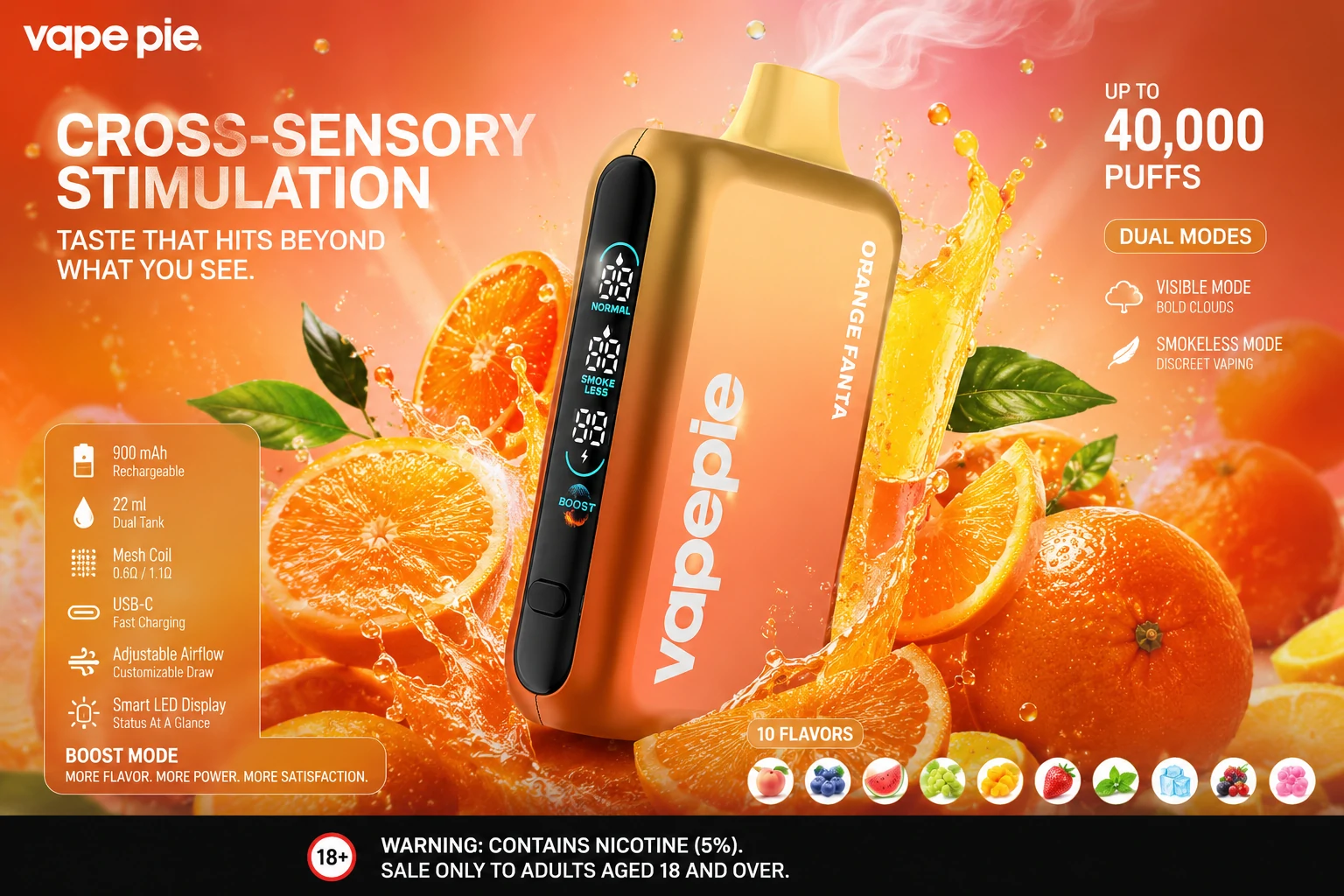
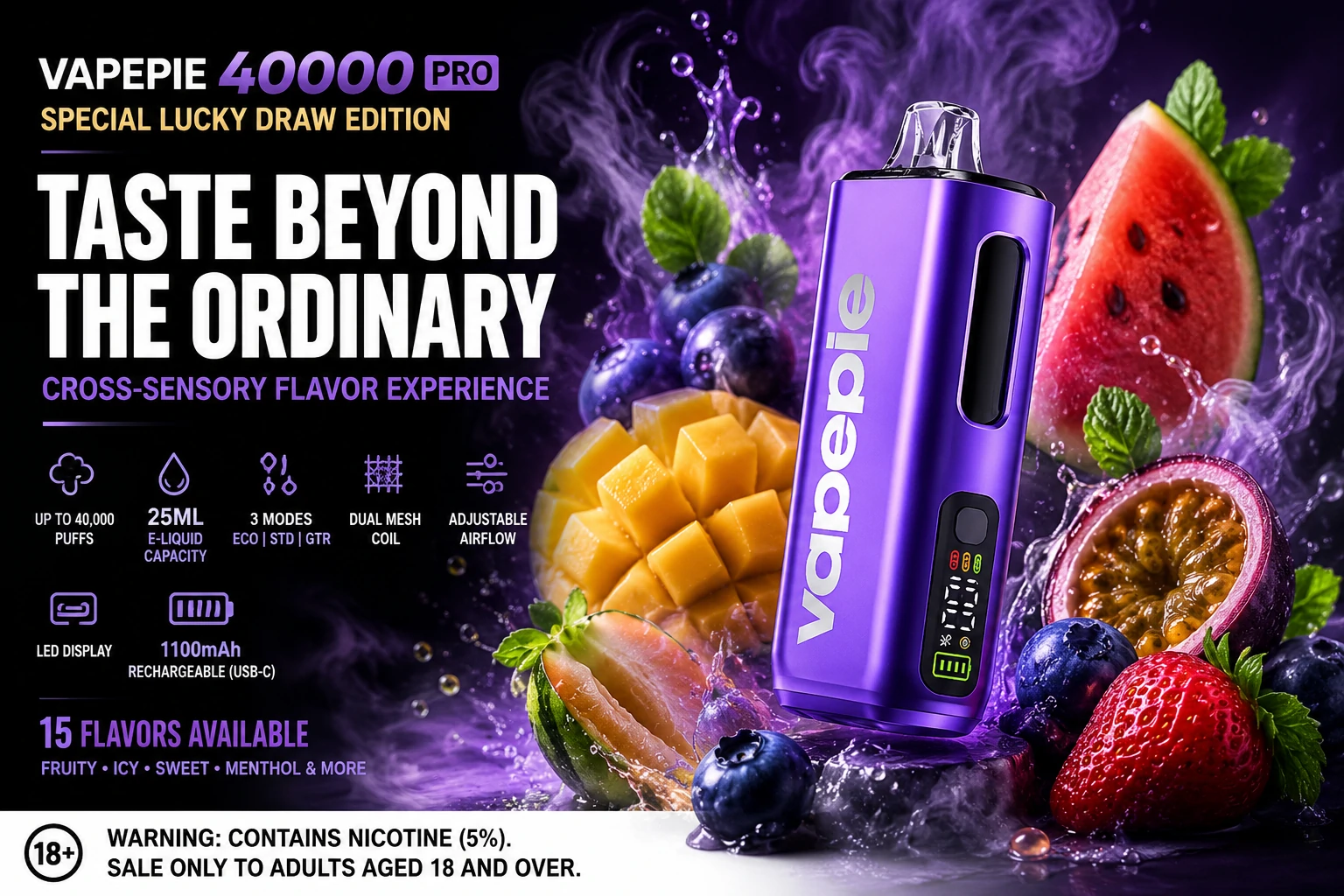
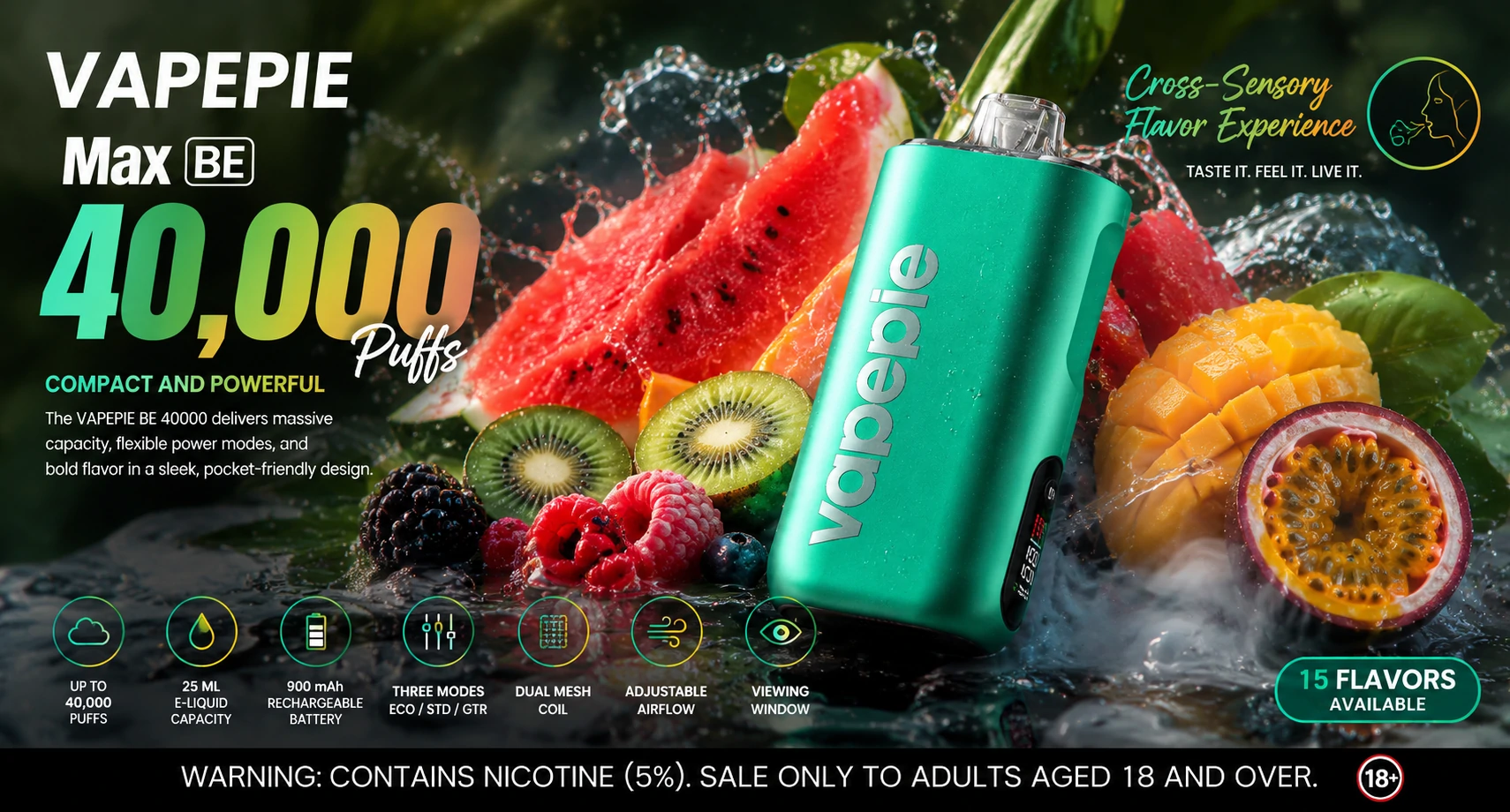
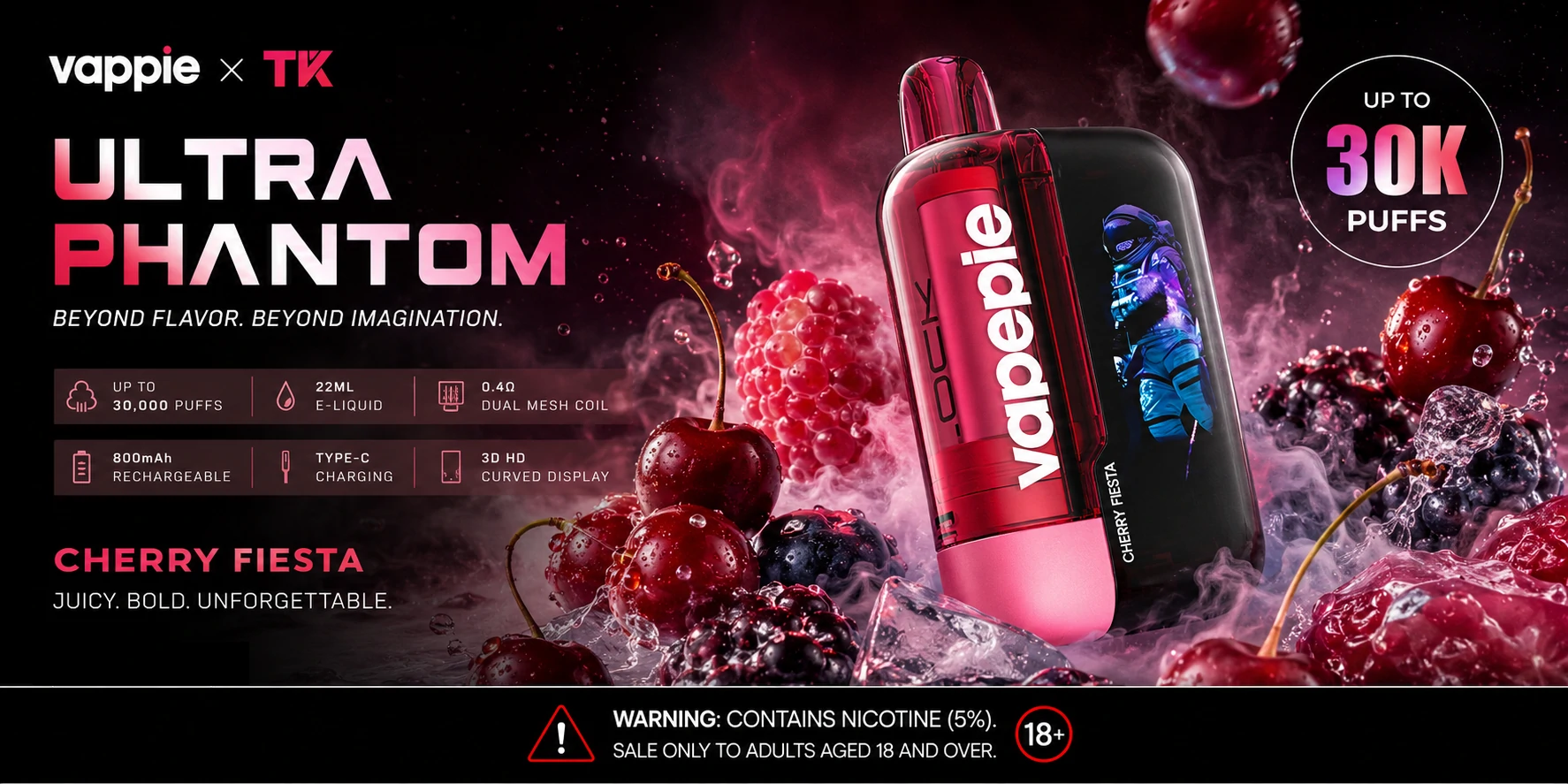
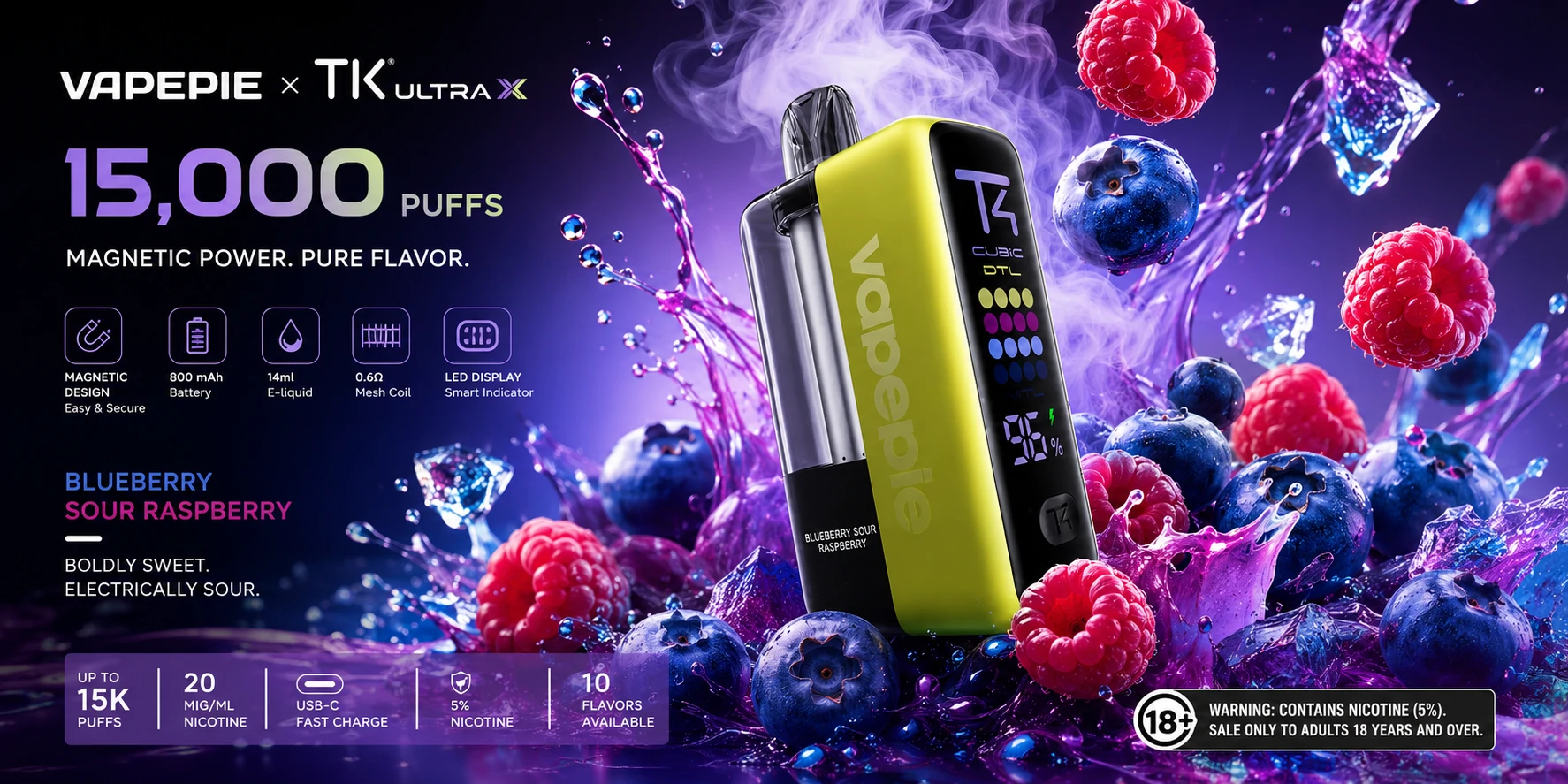
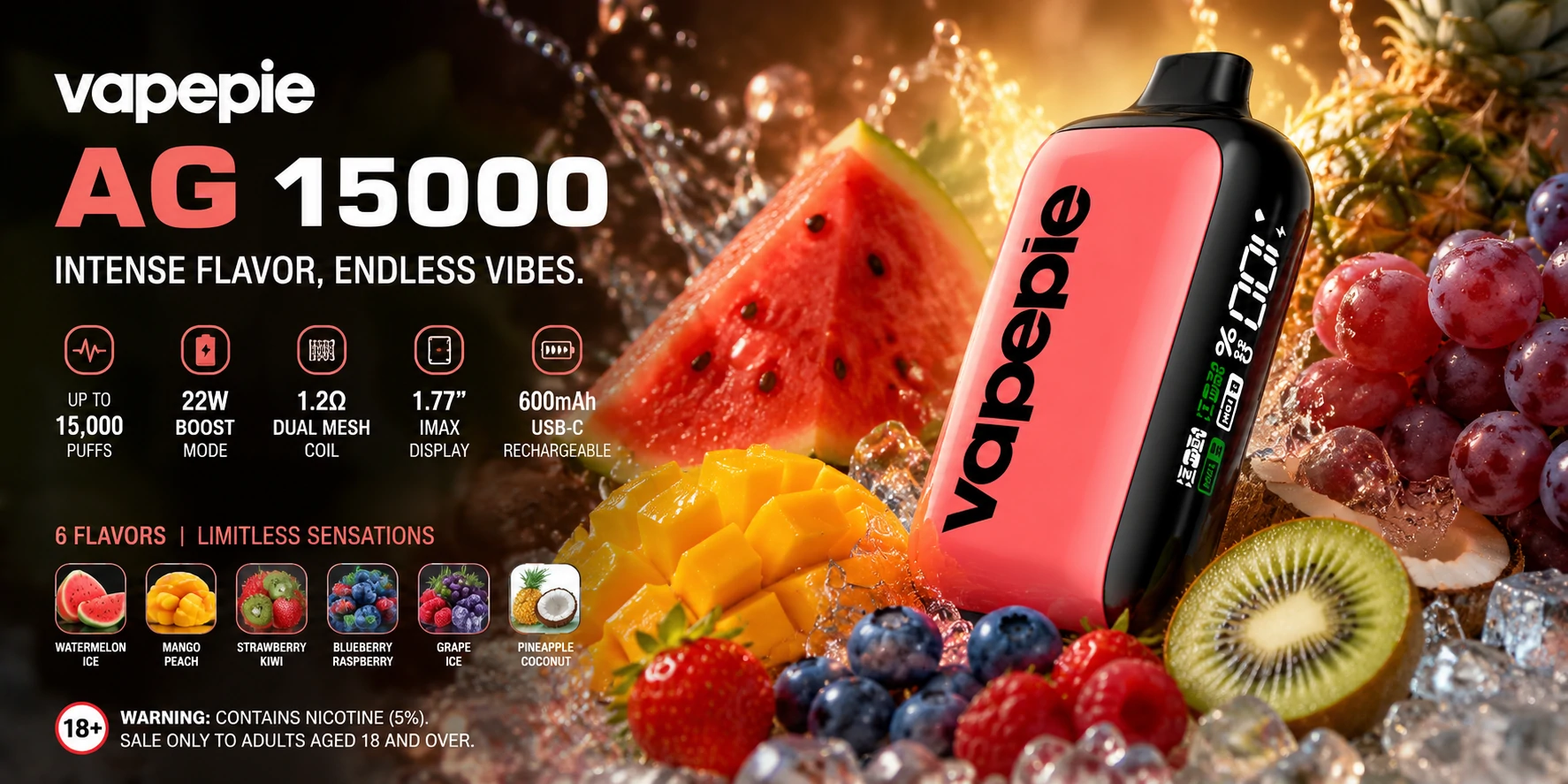
The pendulum has swung back. The current generation of vaping products—pod systems (Juul and its competitors) and disposables (Puff Bar, Elf Bar, and dozens of others)—represents a return to simplicity. Pod systems are small, easy to use, require no maintenance, and deliver nicotine in a form (nicotine salts) that provides a cigarette-like pharmacokinetic profile. Disposables are even simpler: buy, use, discard. The enthusiast culture of third-generation devices persists—the vape shops that cater to cloud-chasers and coil-builders still exist—but the market has been reshaped by the mass-market appeal of simplicity. The technological evolution of vaping is not a linear progression toward increasing sophistication. It's a dialectic: the market oscillates between complexity (for the enthusiasts who want control) and simplicity (for the mass-market consumers who want convenience), with each generation addressing the limitations of the previous one.
The health implications of hardware evolution are underappreciated. The device is not a neutral delivery platform. It determines the temperature at which the e-liquid is heated, the particle size distribution of the aerosol, the efficiency of nicotine delivery, and the potential for thermal degradation of e-liquid components into toxic byproducts (formaldehyde, acetaldehyde, acrolein). Higher-power devices that operate at higher temperatures generate higher levels of thermal degradation products—a finding that has been replicated across multiple studies—and the 'dry puff' phenomenon (when the wick is insufficiently saturated, causing the coil to overheat and generate high levels of irritant compounds) is more common with high-power devices operated by inexperienced users. The health-optimal device is not necessarily the device that produces the most vapor or the most intense flavor. It's the device that delivers sufficient nicotine to satisfy the user while operating at the lowest temperature consistent with that goal. The regulatory system does not currently distinguish between devices based on their aerosol toxicology—a gap that represents both a missed opportunity for harm minimization and a potential liability if certain devices are later found to have caused preventable harm.
The regulatory implications of hardware diversity are challenging. A regulatory framework that treats all vaping devices as equivalent—subject to the same PMTA requirements, the same marketing restrictions, the same taxation—does not account for the variation in risk between device categories. A low-power pod system operated at moderate temperature is a different product, toxicologically, from a high-power sub-ohm mod operated at maximum wattage. A reusable, refillable device with a replaceable coil is a different product, environmentally, from a single-use disposable. A device with temperature control—a feature that prevents the coil from exceeding a user-set temperature limit, reducing the formation of thermal degradation products—is a different product, from a harm-minimization perspective, from a device without temperature control. The regulatory system's inability to make these distinctions creates a market where the safest devices have no regulatory advantage over the most hazardous ones, and where innovation that improves safety is not rewarded by the regulatory framework.
The future of vaping hardware is likely to be shaped by three forces: regulation (which will favor simplicity and standardization, potentially at the expense of the enthusiast market), consumer preference (which will continue to oscillate between convenience and customization), and safety science (which will increasingly identify the device characteristics that minimize harm). The optimal device—from a public health perspective—is one that delivers nicotine effectively enough to satisfy smokers trying to switch, operates at temperatures that minimize thermal degradation, is reusable and recyclable (addressing the environmental concerns), and includes safety features (temperature control, short-circuit protection, child-resistant design) as standard. Whether the market, left to its own dynamics, will converge on this optimum is doubtful. Whether regulation can guide the market toward this optimum without stifling the innovation that made vaping an effective cessation tool in the first place is the central challenge of hardware regulation.
Shareable insight: Vaping devices are not all the same. The temperature at which a device operates, the particle size of the aerosol, and the potential for thermal degradation of e-liquid components all vary by device—and all affect the health risk of the aerosol. Regulation that treats all devices as equivalent misses the opportunity to guide the market toward the safest designs.