The Nicotine Shift: Why 2026 Is the Year E-Cigarettes Redefine Smoking Culture
Exploring how e-cigarettes are reshaping smoking habits in 2026, from teen trends to adult switching. Data, psychology, and industry shifts inside.
In 2026, the smoking landscape has quietly but radically transformed. E-cigarettes are no longer just an alternative—they are becoming the default for a new generation. Recent market data shows that nearly 40% of nicotine users under 30 have never smoked a traditional cigarette. This shift isn't just about technology; it's about identity, convenience, and a redefinition of what it means to 'smoke.'
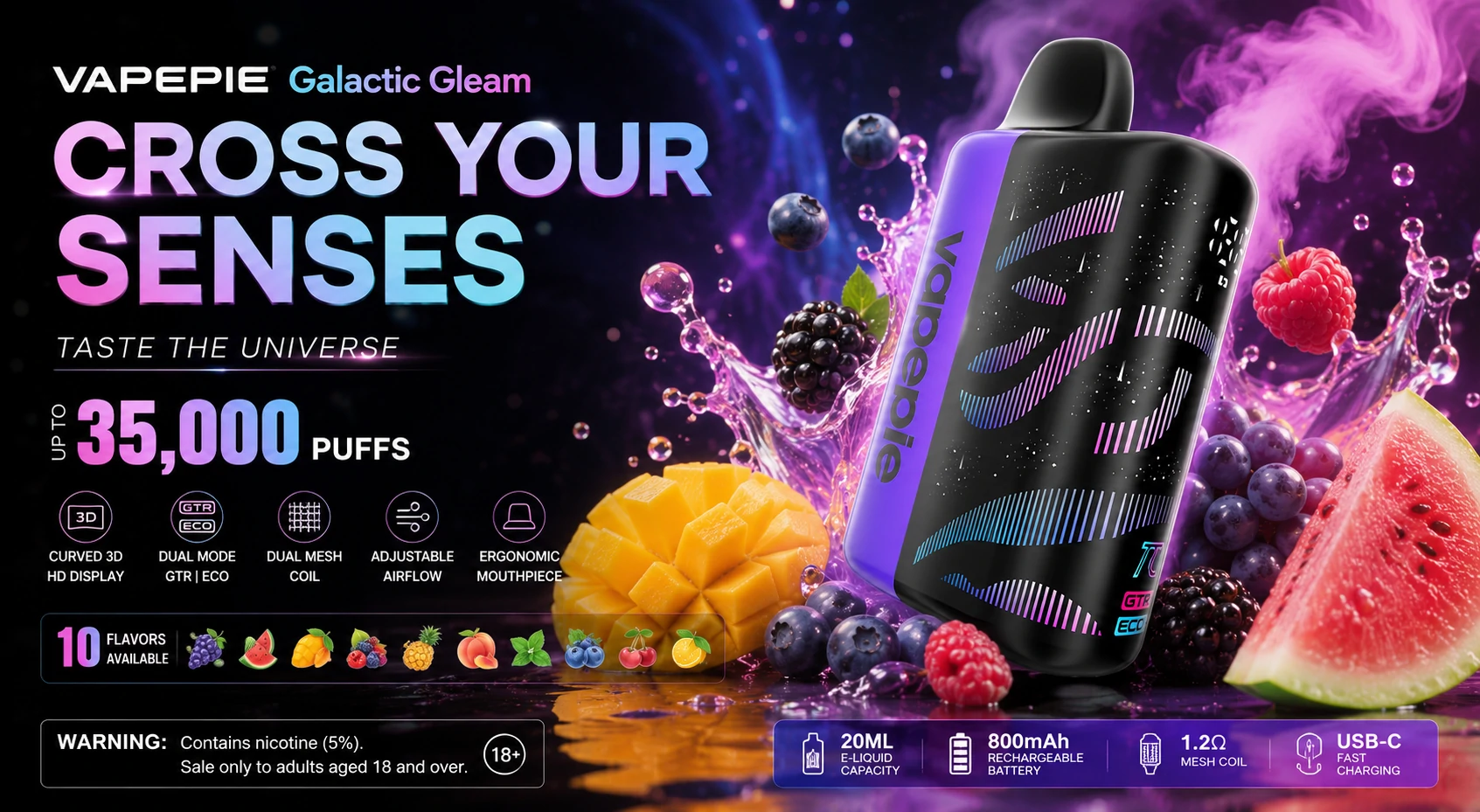
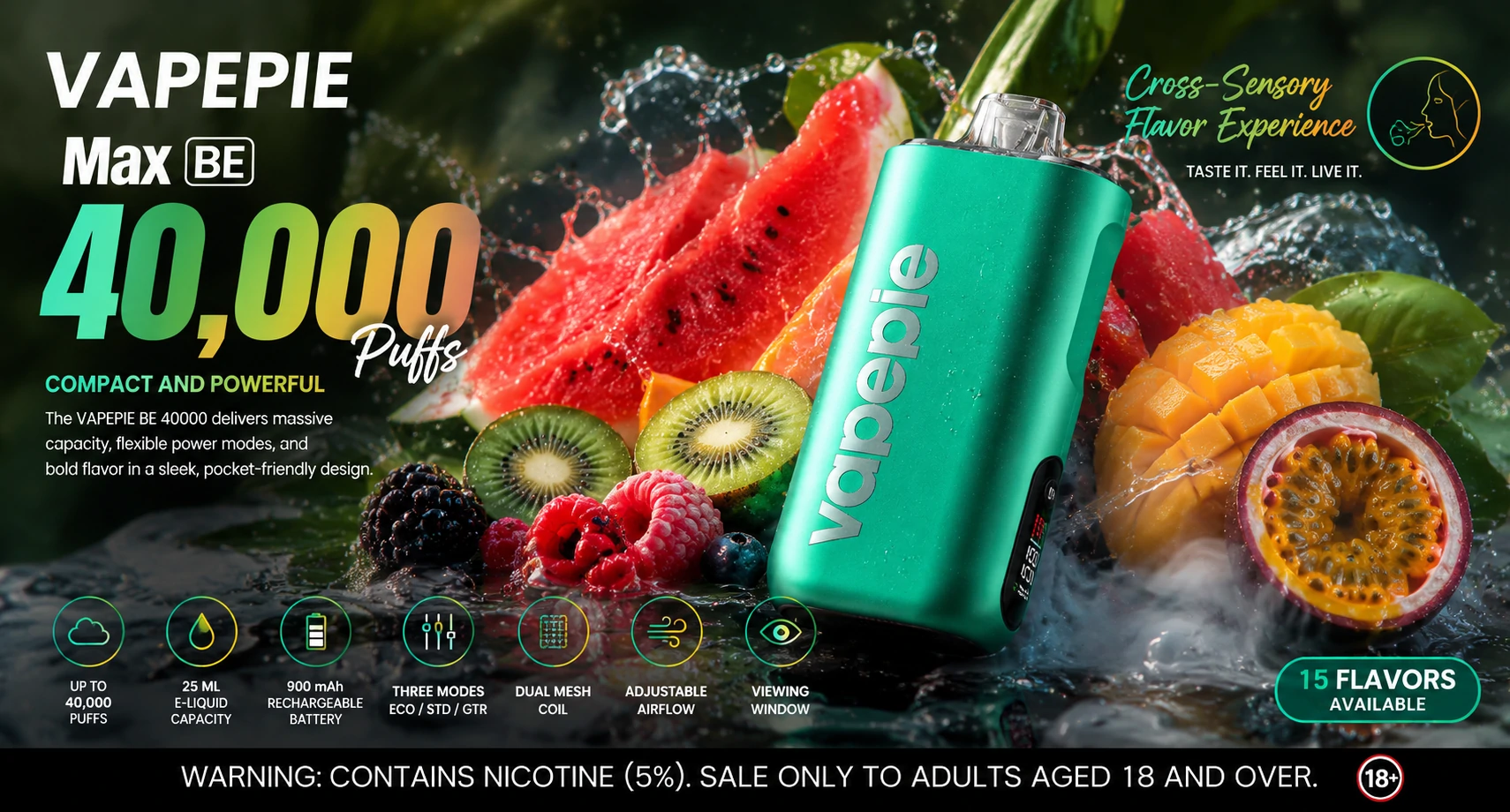
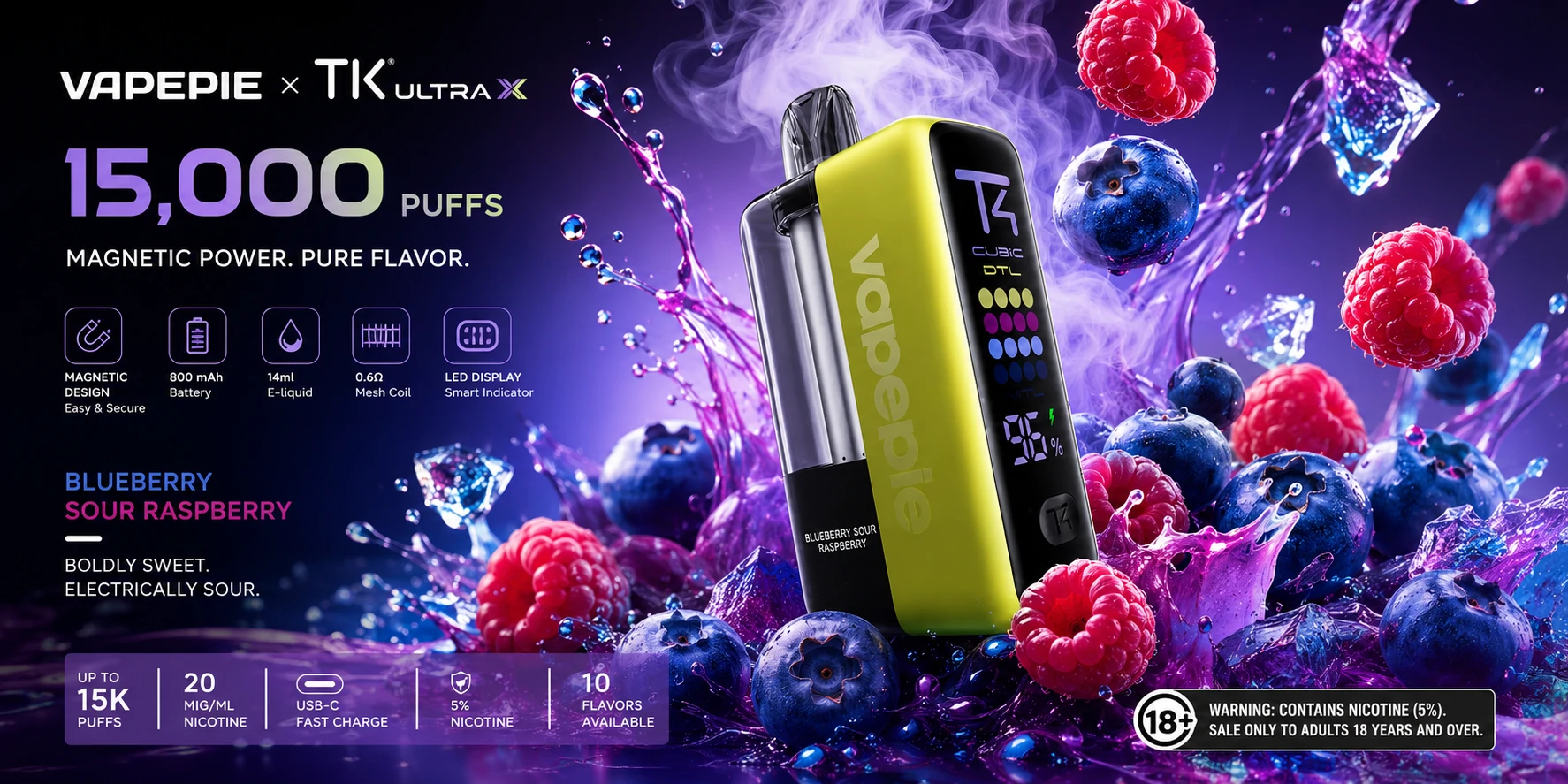
The rise of disposable e-cigarettes has fueled this change. Sleek, flavored, and zero-maintenance, disposables appeal to both curious teens and adults looking to quit cigarettes. But the psychology runs deeper: the ritual of puffing without ash, smell, or social stigma makes e-cigarettes a seamless fit for modern, fast-paced lifestyles. Brands have capitalized on this, marketing not just a product but a lifestyle—clean, discreet, and personalized.
However, the industry is facing a regulatory reckoning. In mid-2026, several countries have introduced stricter flavor bans and packaging rules aimed at curbing youth appeal. The U.S. FDA, for instance, now requires all e-cigarette ads to include a warning about nicotine addiction. This has forced brands to pivot: some are doubling down on adult-focused marketing, others are innovating with nicotine salts that deliver smoother hits.
Consumer behavior is also evolving. Traditional cigarette smokers are increasingly turning to e-cigarettes as a harm reduction tool, driven by a desire for control over nicotine intake. A 2026 study found that 65% of dual users (cigarettes and e-cigs) eventually switched exclusively to vaping within six months. The key driver? Flavor variety and the ability to gradually reduce nicotine levels.
Yet, the debate over safety lingers. While e-cigarettes are widely considered less harmful than combustible cigarettes, long-term health data remains incomplete. Public health experts urge caution, especially for non-smokers. The industry's response has been to fund independent research and promote 'responsible vaping' campaigns. For now, the consensus is pragmatic: if you don't smoke, don't start; if you do, switching to e-cigarettes is a step in the right direction.
What's clear is that the nicotine market is bifurcating. On one side, traditional cigarettes are declining, seen as outdated and harmful. On the other, e-cigarettes are ascending, but with growing scrutiny. The next battleground? Sustainability. Disposables create massive plastic waste, and eco-conscious consumers are pushing for refillable systems. Brands that ignore this trend risk losing the loyalty of the very generation that embraced them.
Share this: The biggest shift in nicotine use in 2026 isn't the product itself—it's the mindset. Smokers are becoming choosers, and that changes everything. Comment below: Do you think e-cigarettes are a healthier choice, or just a different addiction? Your insights could shape the next wave of industry change.