The Nicotine Industry's Silicon Valley Playbook: How Big Tobacco Learned to Talk Like a Tech Company
Philip Morris International doesn't sell cigarettes anymore—it sells a 'smoke-free future.' The language, the branding, the investor presentations, and the product design have all been re-engineered to position the nicotine industry as a technology sector. The transformation is partly real—and partly rhetorical.
In 2016, Philip Morris International launched its 'Unsmoke Your World' campaign—a global marketing initiative that positioned the company not as a cigarette manufacturer but as a technology company on a mission to eliminate cigarettes. The campaign featured sleek product imagery, testimonials from former smokers who had switched to IQOS, and a corporate narrative of transformation and redemption. The language was Silicon Valley, not Richmond: 'disruption,' 'innovation,' 'consumer-centric design,' 'smoke-free ecosystem.' The campaign was controversial—anti-tobacco advocates denounced it as a cynical attempt to rebrand a company that continued to sell hundreds of billions of cigarettes annually—but it was also effective. PMI's stock price, its investor narrative, and its regulatory positioning all benefited from the technology-company framing. The 'Unsmoke' campaign was the most visible manifestation of a broader strategic shift: the nicotine industry's adoption of the Silicon Valley playbook—the language, the aesthetics, the investor relations, and the corporate identity of the technology sector—as a strategy for navigating the transition away from combustion.
The technology-company positioning serves multiple strategic purposes. For investors, it frames the nicotine industry as a growth sector rather than a declining one—a narrative that is essential for attracting the institutional investment that will fund the transition away from cigarettes. PMI's investor presentations emphasize the addressable market for smoke-free products (one billion smokers worldwide), the technology behind the products (proprietary heating systems, user-experience design, data analytics), and the growth trajectory of smoke-free revenue. The narrative is compelling: the company that once profited from addiction is now profiting from innovation. For regulators, the technology-company positioning creates a different regulatory frame: if the nicotine industry is a technology sector, it should be regulated like a technology sector (with innovation-friendly frameworks that encourage product development) rather than like a tobacco sector (with restriction-oriented frameworks that discourage product availability). The regulatory implications of the technology-company positioning are not accidental. They are among the primary strategic objectives of the positioning.
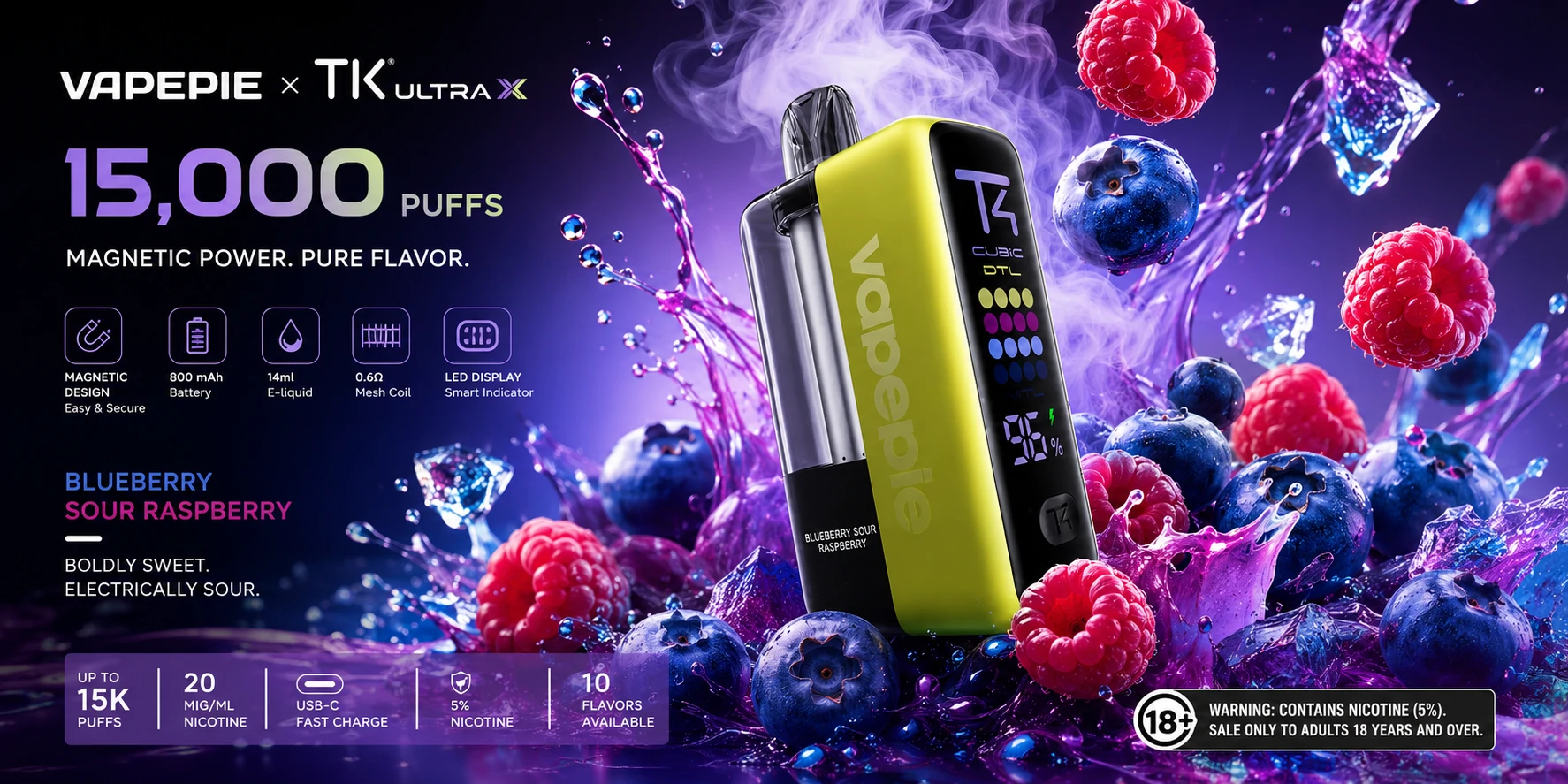
For consumers, the technology-company positioning reframes the nicotine consumption experience. The IQOS device is not a cigarette. It is a 'tobacco heating system'—a consumer-electronics product that happens to deliver nicotine, like a smartphone that happens to make phone calls. The device is sold in branded boutiques that resemble Apple Stores more than smoke shops—clean, minimalist, staffed by 'device coaches' in stylish uniforms. The user experience is designed to be aspirational: the device is sleek, the charging case is elegant, the ritual (inserting the tobacco stick, waiting for the vibration that signals the device is ready) is modern. The IQOS user is not a smoker. They are an early adopter of a new technology platform—a 'user' rather than a 'smoker,' making a 'choice' rather than satisfying an addiction. The technology-company positioning is, at its core, a strategy for de-stigmatizing nicotine consumption—transforming it from a shameful addiction into a consumer technology choice.
The Silicon Valley parallels extend beyond branding to business model. The razor-and-blades model that dominates the reduced-risk nicotine market—sell the device at a low margin (or at a loss), profit from the consumables (tobacco sticks, pods, pouches) over the life of the user—is the same model that drives the printer-and-ink, game-console-and-games, and coffee-machine-and-pods industries. The model is technology-sector orthodoxy: acquire users, lock them into the ecosystem, monetize over the long term. The nicotine industry's version is particularly powerful because the 'consumable' is an addictive substance—user retention is not a marketing challenge, it's a pharmacological certainty. The razor-and-blades model, combined with nicotine's addiction potential, creates a business model that is extraordinarily durable: the IQOS user who purchases the device is likely to purchase tobacco sticks for years, generating a recurring revenue stream that is more predictable and more profitable than the cigarette revenue it is replacing.
The limits of the technology-company positioning are as significant as its appeal. The nicotine industry is not a technology sector—it is a drug-delivery sector that uses technology. The distinction matters for regulation: drug-delivery devices are subject to safety and efficacy standards that consumer-electronics products are not, and the nicotine industry's technology-company positioning is, in part, an effort to evade those standards. The technology-company positioning also obscures the industry's continued dependence on combustible cigarettes: PMI, despite its 'smoke-free future' narrative, still derives the majority of its revenue from cigarettes, and its smoke-free transformation is proceeding more slowly than its marketing suggests. The technology-company positioning is partly genuine (the companies are investing real resources in product development) and partly rhetorical (the positioning exaggerates the pace and depth of the transformation). The tension between the presentation and the reality is a strategic vulnerability—one that the industry's critics are increasingly exploiting.
The broader significance of the nicotine industry's Silicon Valley playbook is that it previews the future of 'sin' industry regulation. The alcohol industry, the cannabis industry, the gambling industry, and the sugar industry are all, to varying degrees, adopting technology-sector positioning as a strategy for navigating regulatory pressure and shifting consumer preferences. The nicotine industry is the most advanced practitioner of this strategy—and the most controversial. The success or failure of the nicotine industry's technology-company positioning will influence how other sin industries position themselves in the regulatory and consumer landscape. If PMI can successfully transform its corporate identity from 'cigarette company' to 'technology company,' the template will be available for every industry that faces regulatory and reputational pressure. The stakes extend far beyond nicotine.
Shareable insight: Philip Morris International doesn't talk like a cigarette company anymore. It talks like a Silicon Valley startup: 'disruption,' 'innovation,' 'smoke-free ecosystem.' The transformation is partly real—the company is investing billions in reduced-risk products—and partly rhetorical—cigarettes still generate most of its revenue. The positioning is strategic: tech companies get regulated differently than tobacco companies, valued differently by investors, and perceived differently by consumers. The nicotine industry has learned the Silicon Valley playbook, and it's using it to rewrite its future.