The Nicotine Industry Pivot to Wellness: How Cigarette Companies Are Remaking Themselves as Health Brands
Philip Morris doesn't sell cigarettes anymore—it sells a 'smoke-free future.' BAT invests in wellness startups. The industry is repositioning itself as part of the solution. The rebranding is audacious, well-funded, and partly true. It's also a strategy for regulatory survival.
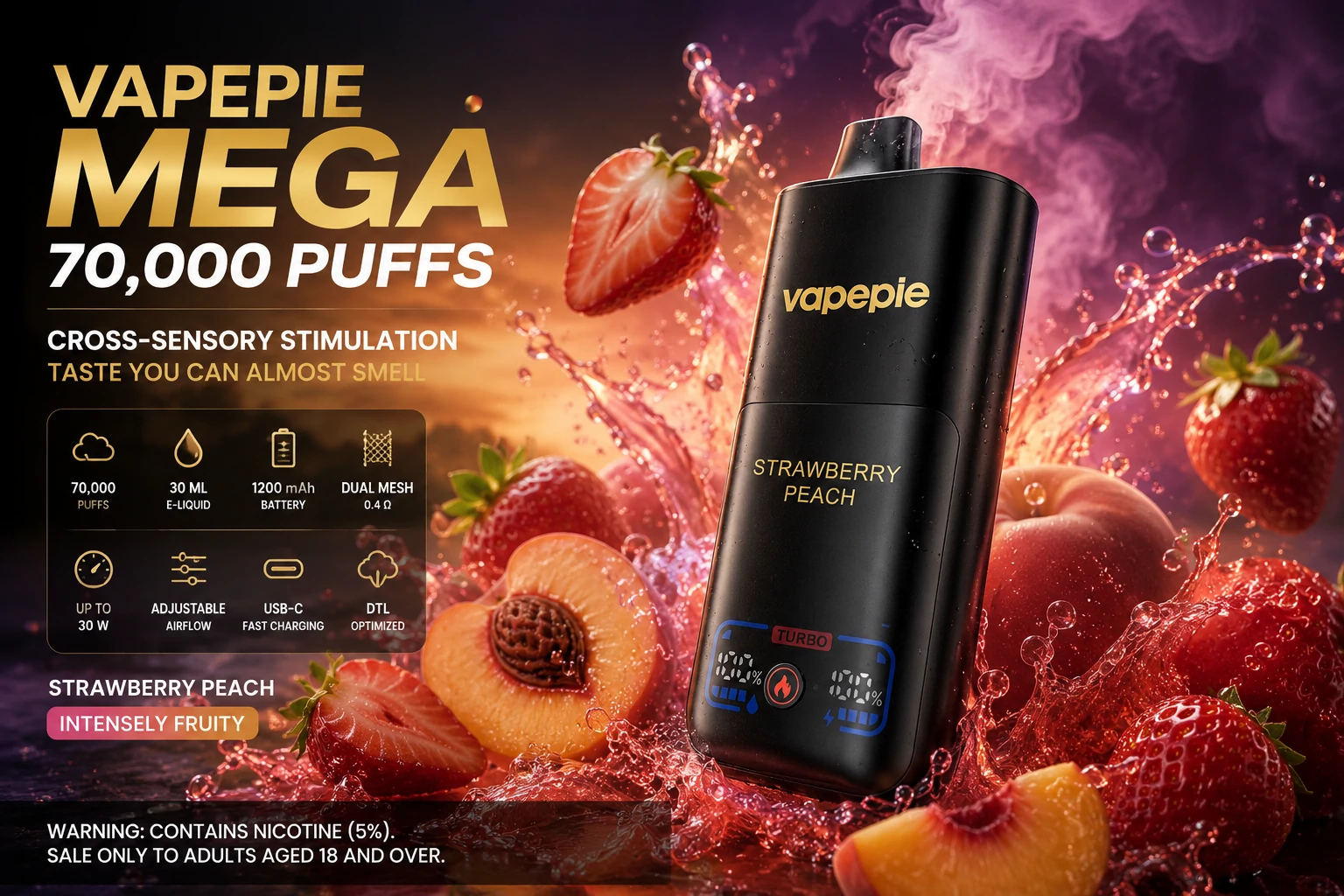
In 2021, Philip Morris International announced a new corporate purpose: 'to deliver a smoke-free future.' The company that had been the world's largest manufacturer of combustible cigarettes—the product that kills 8 million people annually—was now positioning itself as a public health ally. The language was carefully chosen: not 'we sell nicotine,' but 'we deliver a smoke-free future.' Not 'our products are less harmful,' but 'our smoke-free products are a better choice than continued smoking.' Not 'we are a cigarette company transitioning to alternatives,' but 'we are a technology company solving the smoking problem.' **The rebranding is audacious, well-funded, and partly true. PMI has invested over $10 billion in reduced-risk products. Its IQOS heated-tobacco device has contributed to a 40% decline in cigarette sales in Japan. The company's smoke-free products now account for over 35% of its revenue. The transformation is real—and it is also a strategy for regulatory survival that deserves scrutiny.**
**The industry's wellness pivot serves multiple strategic purposes.** For regulators, it creates a narrative that the industry is part of the solution, not the problem—a narrative that complicates the tobacco-control orthodoxy that the industry must be excluded from all policy processes. For investors, it reframes the industry from a declining sin sector to a growth technology sector—attracting the institutional capital that the cigarette industry, with its structural decline and ESG exclusion, cannot access. For consumers, it reduces the stigma of nicotine use by associating nicotine products with modernity, technology, and wellness rather than with addiction, disease, and death. And for the industry's own workforce, it provides a mission—a reason to come to work that is not 'selling the product that kills our customers.'
**The tension within the wellness pivot is structural and unresolved.** PMI's 'smoke-free future' narrative is contradicted by the company's continued sale of combustible cigarettes—which still generate the majority of its revenue, which it continues to market aggressively in LMICs, and which it has no concrete plan to eliminate. The company's investment in reduced-risk products is real, but the pace of the transition is controlled by the company to maximize shareholder value—not to maximize public health. The 'transformation' is happening fastest in high-income markets where cigarette sales are already declining and regulation is tightening, and slowest in LMICs where cigarette sales are growing and regulation is weak. **The wellness pivot is a strategy for navigating the decline of the cigarette market, not for accelerating it. The company will transition away from cigarettes when it is profitable to do so—and not a moment sooner.**
**The public health community's response to the wellness pivot is divided.** The traditional position—that the industry is inherently illegitimate, that its transformation claims are propaganda, and that the industry must be excluded from all policy processes—has the advantage of moral clarity and the disadvantage of being increasingly difficult to sustain as the industry's transformation becomes more concrete. The engagement position—that the industry should be judged by its actions (product portfolio, marketing practices, policy positions) rather than its history, and that the companies that are genuinely transitioning should be treated differently from those that are not—has the advantage of evidence-responsiveness and the disadvantage of being politically toxic within the tobacco control community. **The nicotine industry is not going to disappear. It is going to transform—and the question for public health is whether to engage with that transformation or to oppose it categorically.**
**The historical parallel is the pharmaceutical industry**—another industry that profited from harmful products (opioids, among others) and that has been forced, by regulation and litigation, to transform its practices. The pharmaceutical industry is still profit-driven, still imperfect, and still the subject of intense public health scrutiny—but it is also a legitimate participant in the health policy process, and its products (when appropriately regulated) provide genuine health benefits. The nicotine industry is following the same trajectory, with a decades-long lag. The industry that once denied the health risks of its products is now developing products that reduce those risks. The transformation is incomplete, self-interested, and strategically managed—but it is real. **The public health community that can distinguish between the companies that are genuinely transforming and those that are not, and that can engage with the former while opposing the latter, will be more effective than the community that treats all nicotine companies as equally illegitimate regardless of their actions.**
**💬 Do you believe the nicotine industry's transformation is genuine—or is it just a rebranding exercise?** Can a company that profited from cigarettes for decades ever be a legitimate partner in public health? And if the industry is transforming, should the public health community engage with it or continue to oppose it?