The Influencer Economy: How Social Media Creators Became the New Face of Nicotine Marketing
Tobacco advertising is banned in most countries—but influencer marketing has filled the gap. The creators promoting nicotine products to millions of followers are neither regulated as advertisers nor accountable as publishers.
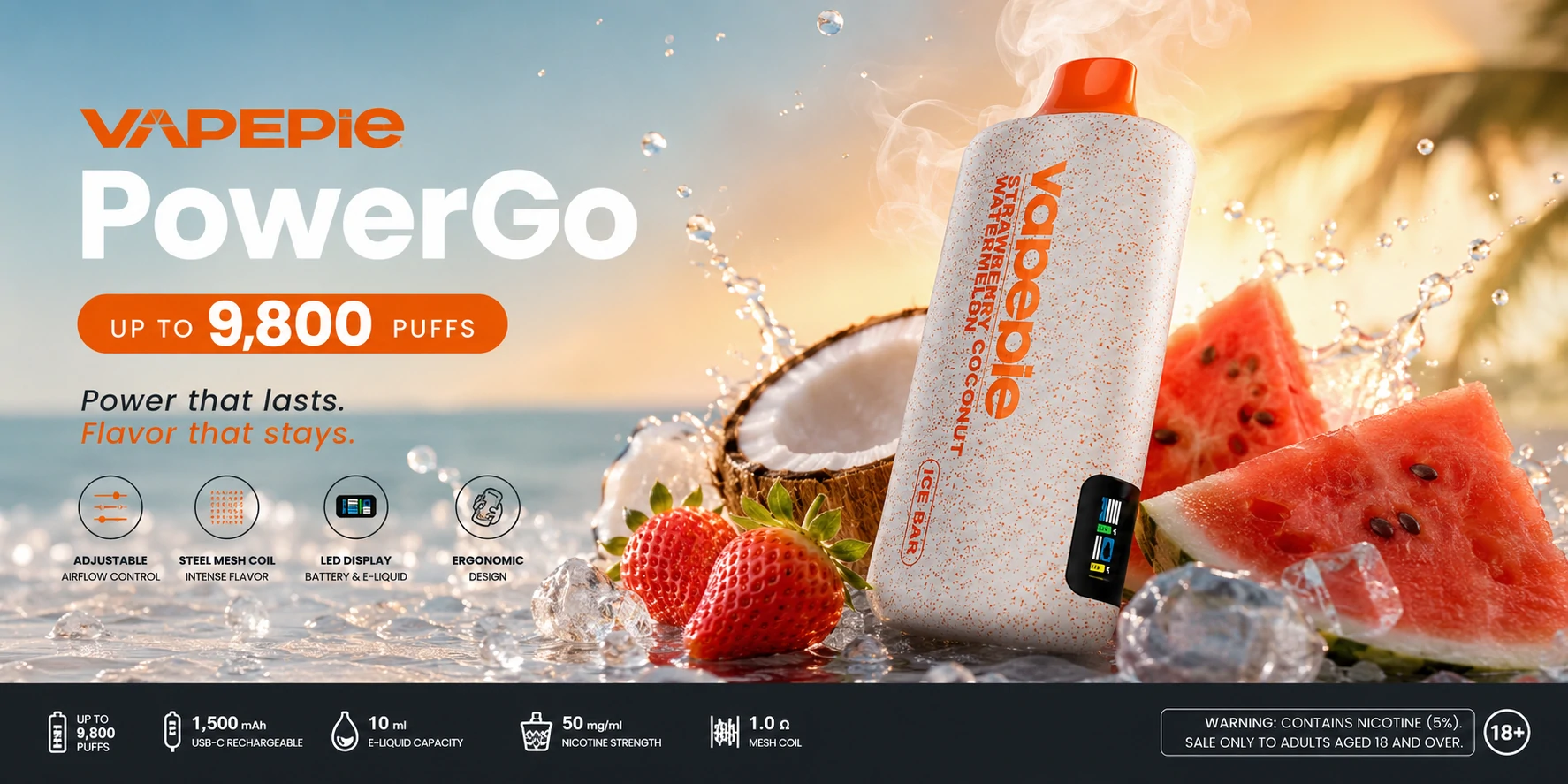
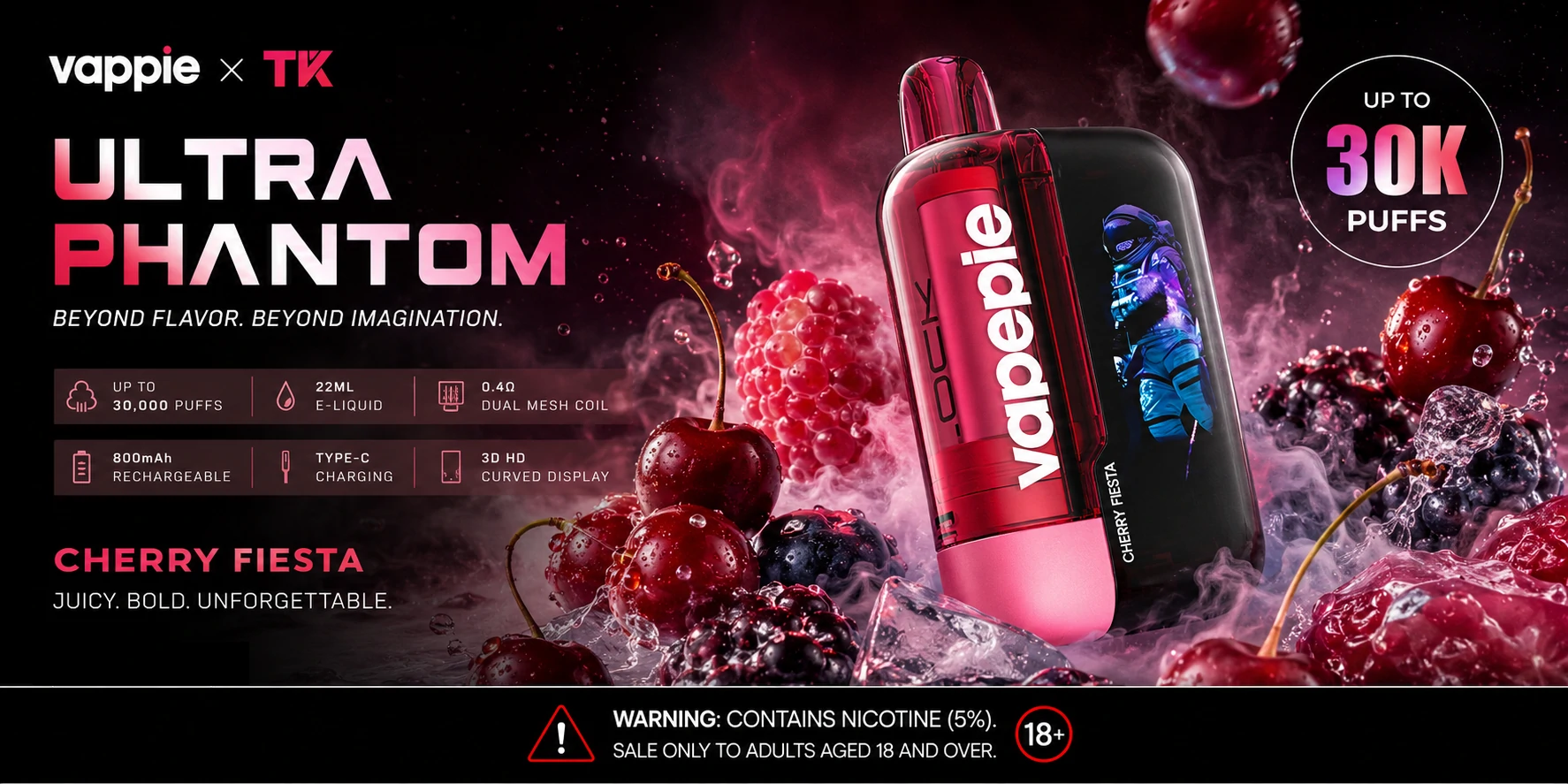
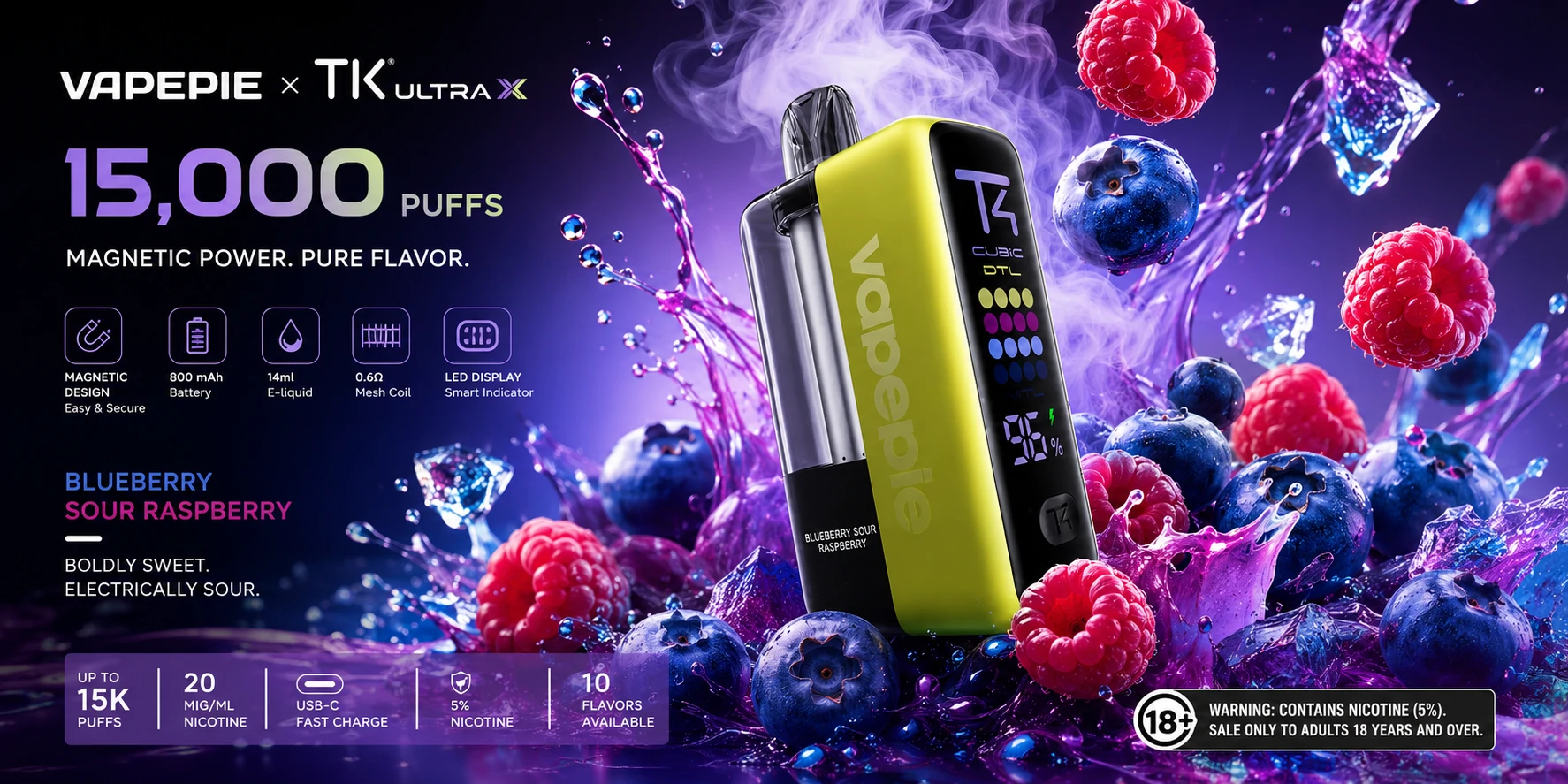
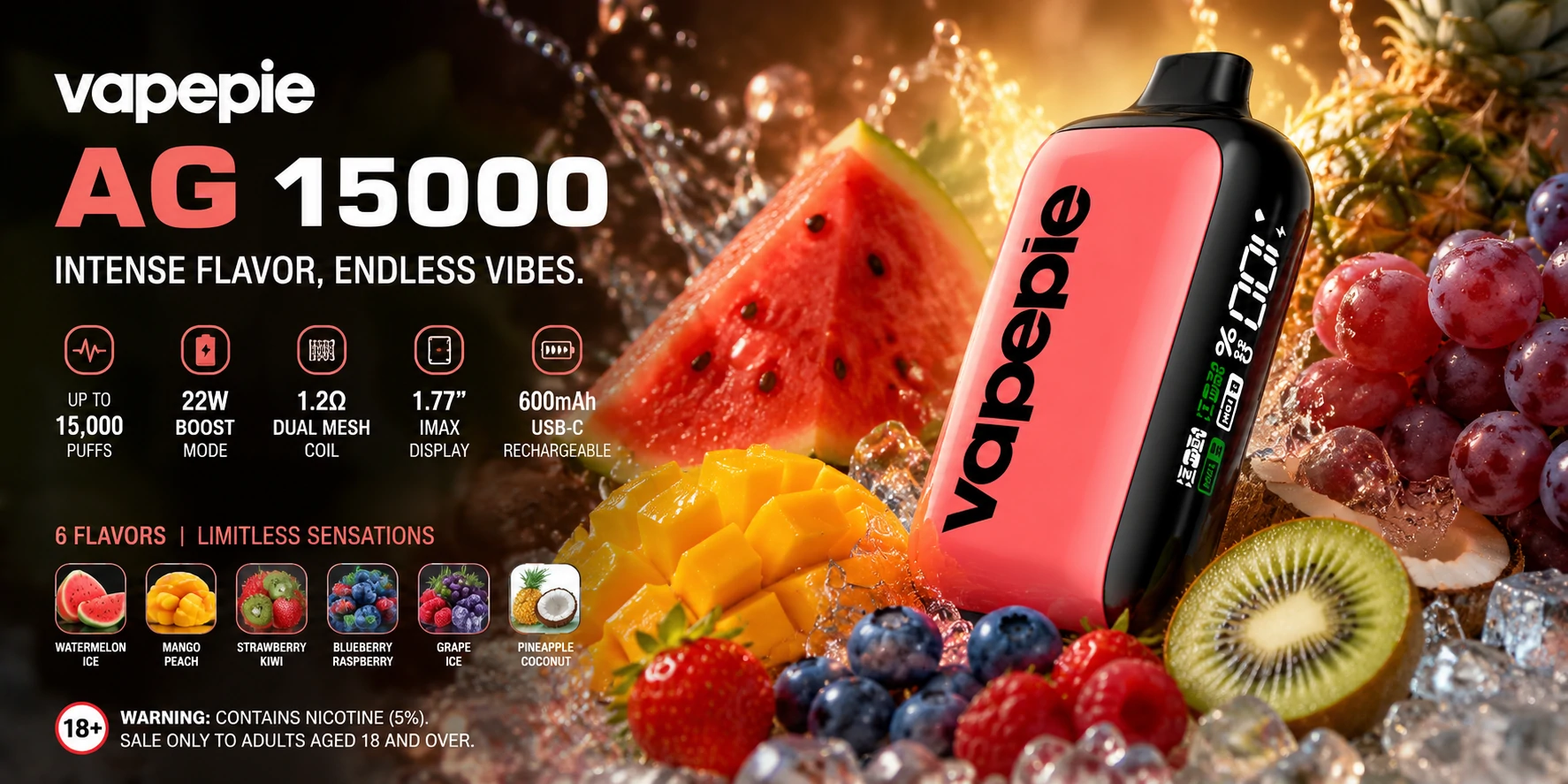
In 2019, a 21-year-old TikTok creator with 2 million followers posted a video reviewing a new disposable vape. The video was not labeled as advertising. It didn't need to be—the creator had no formal relationship with the brand, had received no payment, and was simply sharing a product they enjoyed. The video received 3.5 million views and 400,000 likes. The brand saw a measurable sales spike in the following days and sent the creator free products as a 'thank you.' No contract was signed, no advertising disclosure was made, and no regulation was violated. This is the influencer economy of nicotine marketing: a dense, decentralized, and largely unregulated ecosystem where the lines between genuine enthusiasm, earned media, and paid promotion are deliberately blurred. It has replaced traditional tobacco advertising as the primary vector by which nicotine products reach young audiences. And it operates almost entirely outside the regulatory frameworks designed to control tobacco marketing.
The scale of nicotine influencer marketing is staggering and difficult to measure precisely because so much of it is undisclosed or ambiguously disclosed. A 2024 analysis of TikTok, Instagram, and YouTube content estimated that nicotine-related content had accumulated over 50 billion views across platforms, with the vast majority portraying nicotine use positively. The proportion that was 'paid promotion' (formal advertising relationships with brands) was estimated at 10–20%. The rest was 'organic'—creators sharing nicotine content because it generated engagement, built their personal brand, or expressed genuine enthusiasm. The regulatory distinction between paid and organic content—which determines whether advertising regulations apply—is nearly impossible to enforce at scale. A creator who receives free products from a brand, posts positive content, and sees their follower count grow has been compensated in every meaningful sense. But whether that compensation constitutes 'payment' under advertising regulations is ambiguous, and the ambiguity is systematically exploited.
The industry's role in the influencer ecosystem is strategic and deliberately hands-off. Major nicotine brands don't need to pay influencers directly. They cultivate relationships—sending free products, inviting creators to events, offering affiliate commissions on sales generated through creator-specific discount codes. The creators produce content because the content performs well (nicotine content drives engagement), builds their audience (the nicotine niche is large and passionate), and generates income (through affiliate commissions, platform monetization, and the brand relationships that follow from demonstrated influence). The brand benefits from authentic-seeming content that reaches audiences who would never engage with traditional advertising. The creator benefits from content that builds their career. The platform benefits from engagement that drives ad revenue. The only party that doesn't benefit is the adolescent viewer whose nicotine initiation is being normalized by content that feels like peer influence rather than marketing.
The regulatory response to nicotine influencer marketing has been fragmented and largely ineffective. The UK's Advertising Standards Authority has taken enforcement action against several influencers for undisclosed vaping promotion, establishing that nicotine influencer content is subject to advertising regulations when there's a commercial relationship. The U.S. Federal Trade Commission requires disclosure of material connections between influencers and brands—a requirement that's widely ignored in the nicotine space. France has prosecuted influencers for undisclosed vaping promotion. These enforcement actions are individually significant but collectively inadequate: they target a handful of high-profile cases while the vast majority of nicotine influencer content remains unexamined and unregulated. The enforcement model—individual investigation of individual posts for individual disclosure violations—cannot scale to an ecosystem of millions of creators producing billions of impressions.
The platforms' role in the influencer ecosystem is fundamentally conflicted. TikTok, Instagram, and YouTube profit from engagement, and nicotine content generates engagement. The platforms' content moderation policies nominally prohibit tobacco advertising but are systematically under-enforced against influencer content that's ambiguously commercial. The platforms have the technical capability to dramatically reduce nicotine influencer content—they could demote it in recommendation algorithms, restrict its monetization, and enforce disclosure requirements at scale. But the engagement that nicotine content generates is revenue, and the platforms' incentives to restrict it are limited to the reputational and regulatory risk it creates. As long as that risk is manageable—and it is, because regulators have not made nicotine influencer content a priority—the platforms will continue to tolerate and profit from the ecosystem they've enabled.
The most promising regulatory approach is platform-level accountability: requiring social media platforms to systematically identify, label, and restrict commercial nicotine content, rather than relying on case-by-case enforcement against individual influencers. The UK's Online Safety Bill and the EU's Digital Services Act create frameworks for platform accountability that could be applied to nicotine marketing. Under these frameworks, platforms would be required to take 'proportionate measures' to protect users from harmful content—a standard that could include algorithmic demotion of nicotine content, mandatory disclosure of commercial relationships, and age-gating of nicotine-related content. The regulatory tools exist. The political will to apply them to nicotine marketing, rather than to the higher-profile domains of political disinformation and child safety, does not yet exist. The influencer economy thrives in the gap between available regulatory tools and their political application.
The nicotine influencer economy is not going away. It's the natural evolution of marketing in a media environment where traditional advertising channels have been displaced by social media, and where consumers—particularly young consumers—trust peer recommendations more than brand messaging. Regulating this ecosystem effectively requires moving beyond the paid-vs-organic distinction that structures current advertising regulation, toward a framework that recognizes that any content promoting nicotine products to audiences that include minors is functionally marketing, regardless of the commercial relationship between creator and brand. This is a significant expansion of regulatory authority—and it's the only approach that matches the scale and nature of the influencer phenomenon. The alternative—continuing to regulate 20th-century advertising channels while the 21st-century marketing ecosystem operates with near-total freedom—is not regulation. It's a policy of surrender to the platforms and the influencers who've replaced traditional advertisers as the primary vector of nicotine promotion.