The Great Nicotine Pivot: Why Every Industry from Pharma to Tech Wants a Piece of Nicotine
Nicotine is no longer just a tobacco product. It's a pharmaceutical, a nootropic, a wellness supplement, and a tech platform. The boundaries between industries are collapsing—and the regulatory system, built for a world of clear categories, is watching it happen.
Five years ago, the nicotine industry meant one thing: cigarettes. Today, nicotine is being sold by pharmaceutical companies (NRT products in the pharmacy aisle), tech startups (connected vaping devices with companion apps), wellness brands (nicotine pouches marketed as 'focus aids'), and legacy cigarette manufacturers (which are racing to rebrand as 'smoke-free technology companies'). **The boundaries between pharma, consumer tech, wellness, and tobacco are dissolving—and nicotine is the molecule at the center of the convergence.** The same person who uses a nicotine patch to manage withdrawal might use a nicotine pouch to enhance focus during a long meeting, a vaping device to socialize without smoking, and a connected app that tracks all of it. The nicotine consumer of 2025 is not a smoker or a vaper or a pouch user. They are, increasingly, all three—navigating a nicotine ecosystem that crosses industry boundaries with ease, and leaving the regulatory system—built for a world of clear product categories—struggling to keep up.
**The pharmaceutical industry's relationship with nicotine is the most established and the most constrained.** Nicotine replacement therapy—patches, gum, lozenges, inhalers, sprays—is a $3-4 billion global market, dominated by a handful of pharmaceutical companies (GSK, Johnson & Johnson, Perrigo). The pharmaceutical nicotine market is highly regulated—products must demonstrate safety and efficacy through clinical trials, manufacturing must meet pharmaceutical GMP standards, and marketing claims are restricted to smoking cessation. The regulatory framework makes pharmaceutical nicotine safe and credible—but it also makes it expensive, slow to innovate, and limited in its consumer appeal. **No pharmaceutical company has developed a nicotine product that competes with the cigarette on satisfaction, or with the vaping device on consumer experience.** The pharma industry owns the therapeutic end of the nicotine spectrum. It has ceded the consumer end to others—and the others are moving in.
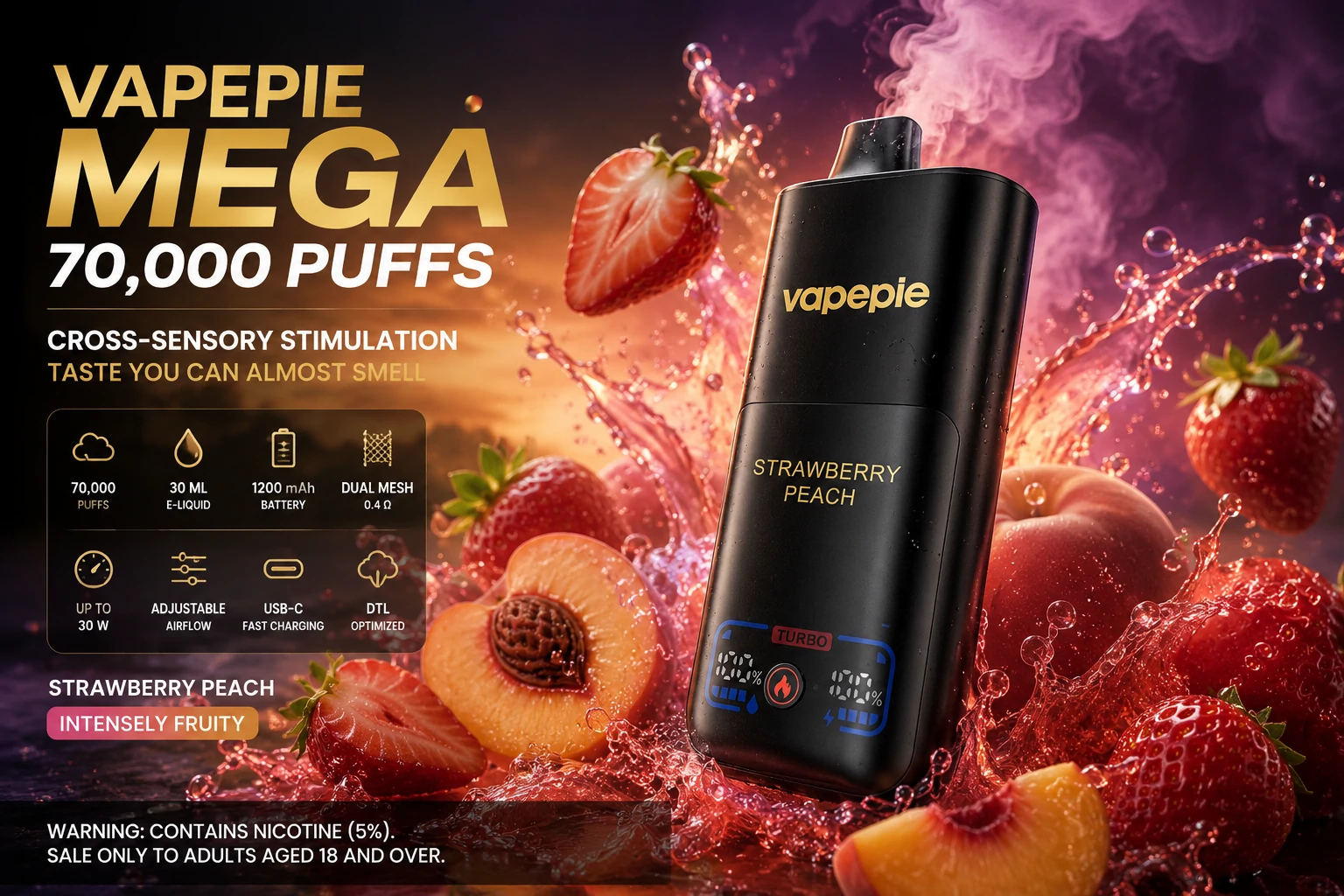
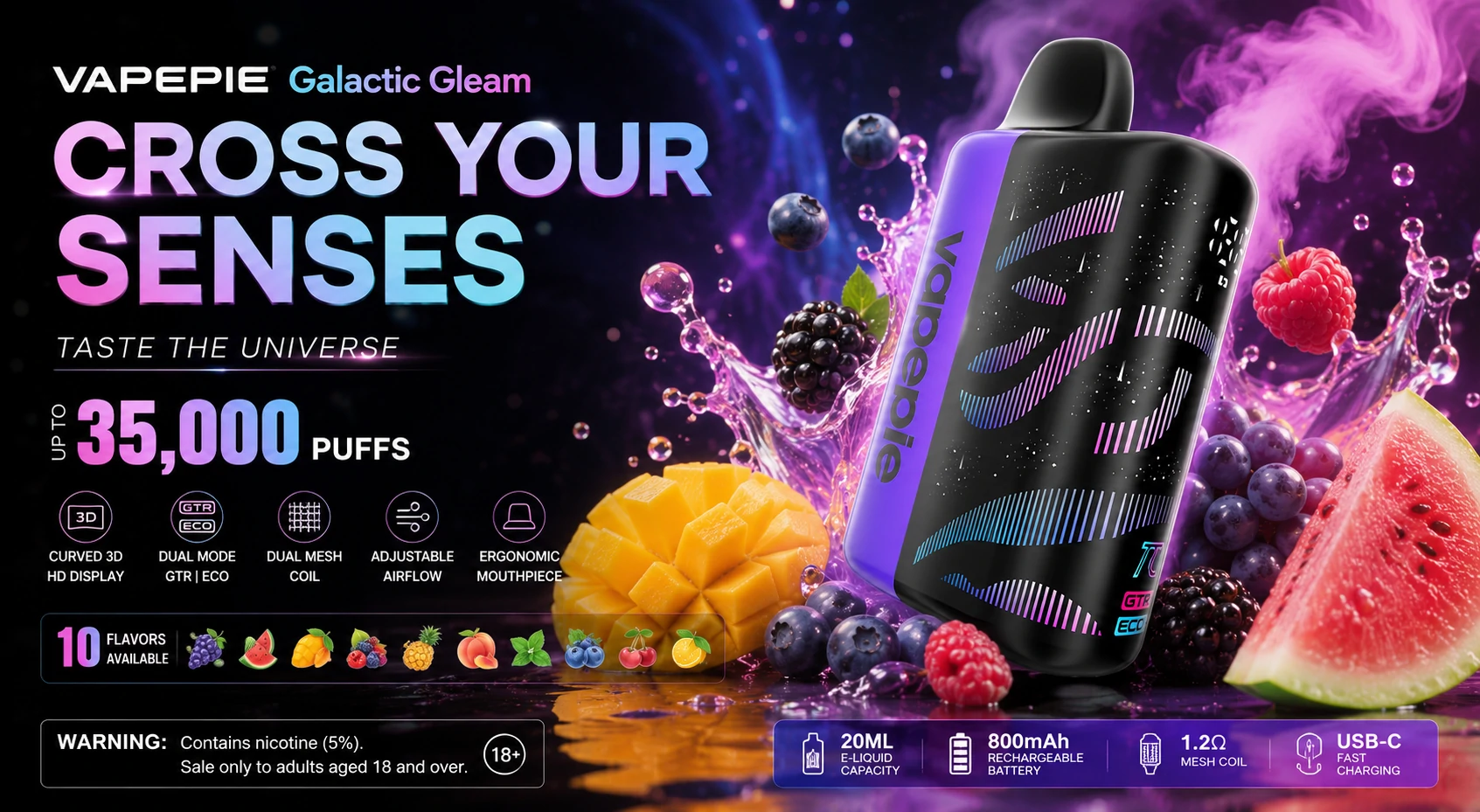
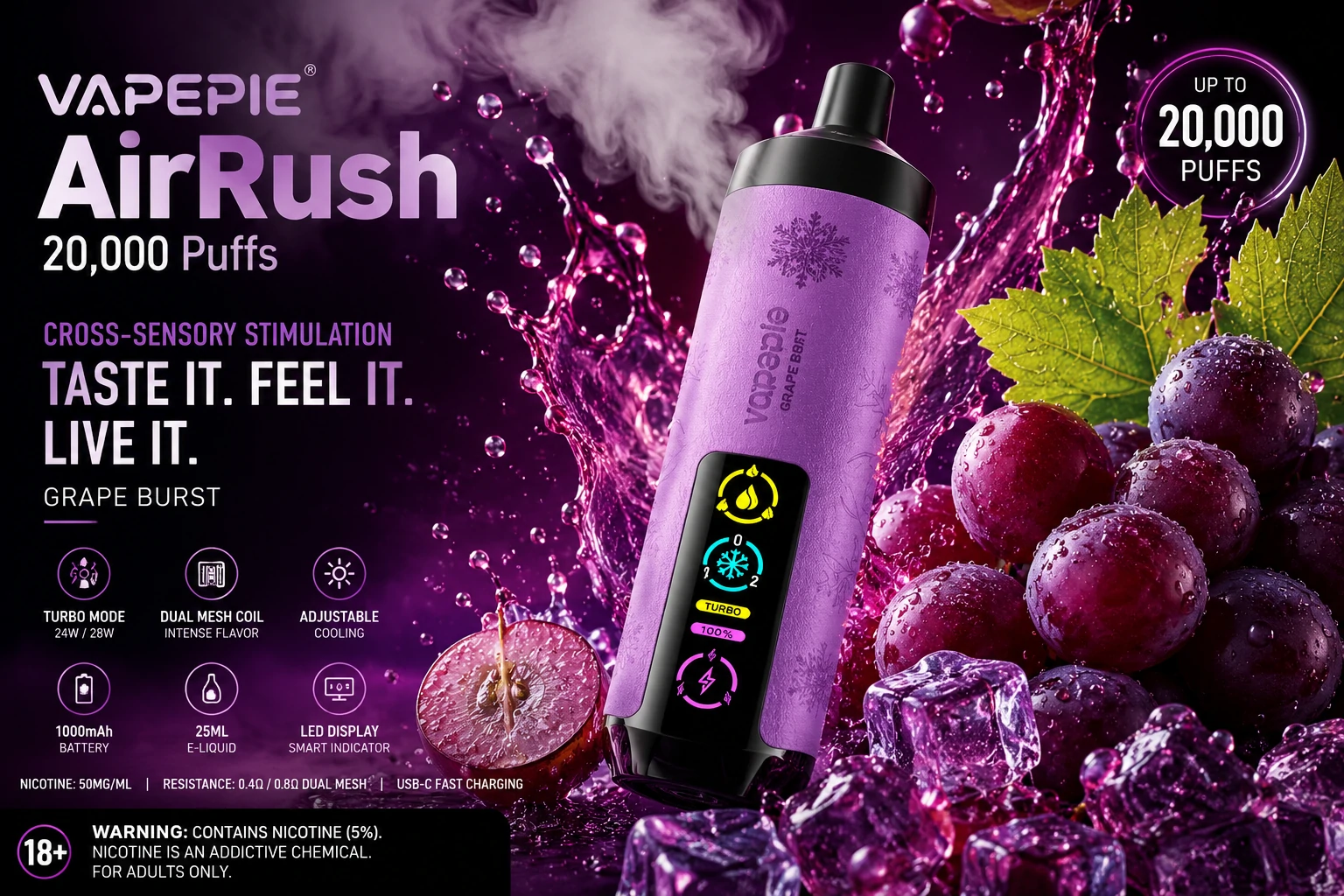
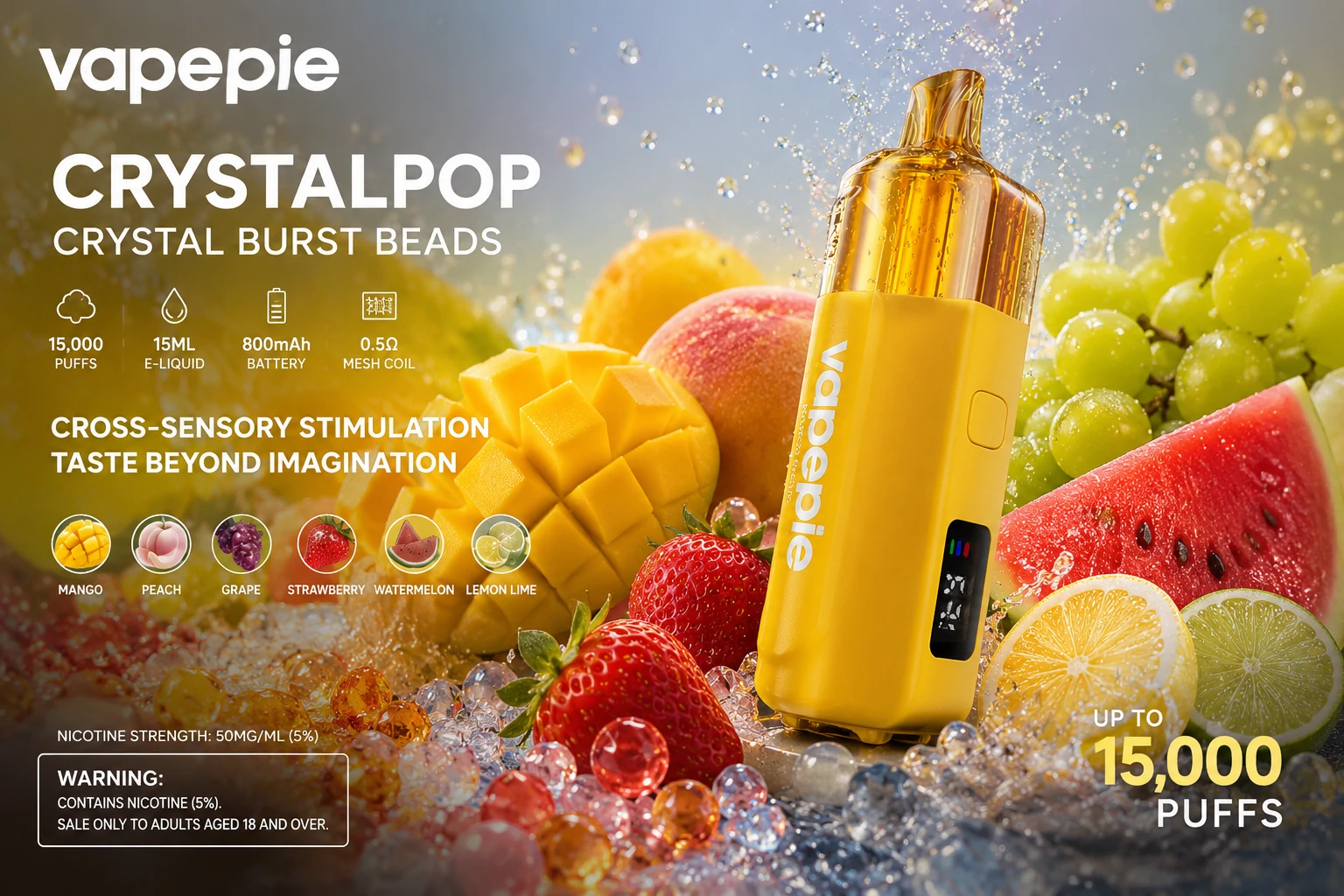
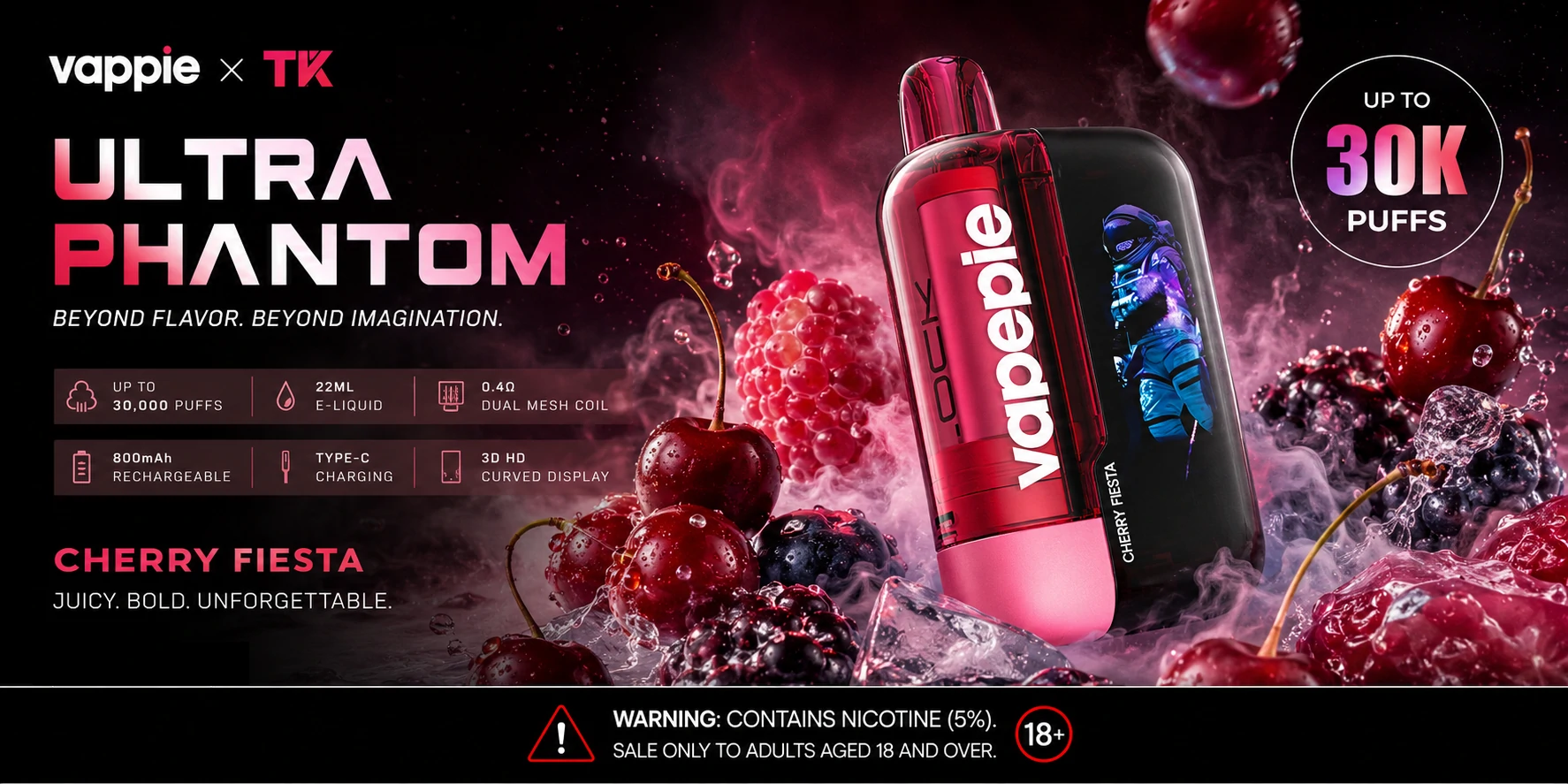
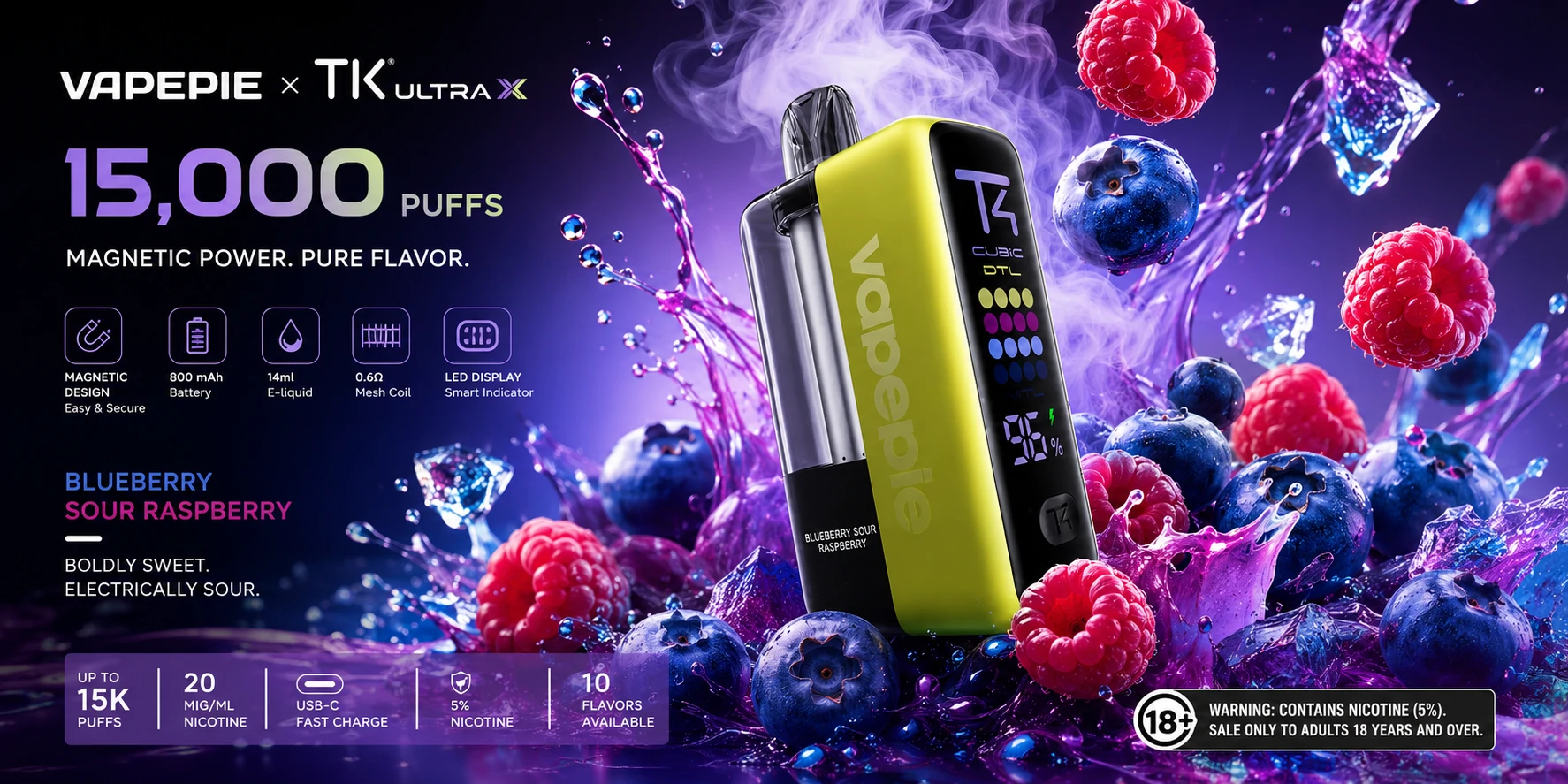
**The tech industry's entry into nicotine is the newest and most disruptive dimension of the convergence.** A wave of startups—Pivot, LUCY, Lucy Goods, NIIN, Rogue—are developing nicotine products that borrow from the tech playbook: sleek design, connected apps, data-driven personalization, direct-to-consumer distribution. These companies don't call themselves tobacco companies. They call themselves 'consumer nicotine' or 'adult nicotine' or 'modern nicotine' brands—positioning nicotine as a lifestyle product comparable to caffeine, not as a sin product comparable to cigarettes. The positioning is strategic: it attracts investors who would never invest in 'tobacco,' it appeals to consumers who would never buy from a 'cigarette company,' and it creates regulatory ambiguity (is a connected nicotine pouch a tobacco product, a drug, a dietary supplement, or a consumer electronic device?). **The tech-nicotine convergence is betting that the regulatory system, built for the product categories of the 20th century, cannot adapt fast enough to constrain the product categories of the 21st.**
**The wellness dimension completes the convergence.** Nicotine, in low doses and slow delivery formats (pouches, gum, lozenges), is being repositioned as a cognitive enhancement tool—a 'nootropic' comparable to caffeine, L-theanine, or creatine, used by biohackers and productivity enthusiasts to improve focus, attention, and mental stamina. The wellness positioning is controversial—public health advocates argue that it normalizes nicotine use and risks addiction—but it is also pharmacologically defensible. Nicotine is a cognitive enhancer with a well-characterized mechanism and a substantial evidence base. The wellness industry's embrace of nicotine is, in effect, an argument that the molecule can be separated from the delivery system—that nicotine, delivered slowly and in controlled doses, has a legitimate role in the wellness landscape that is distinct from the addiction landscape that the cigarette created.
**The regulatory system has no framework for the convergence.** The FDA's Center for Tobacco Products regulates nicotine as a tobacco product. The FDA's Center for Drug Evaluation and Research regulates nicotine as a drug (for therapeutic claims). The FDA's Center for Devices and Radiological Health regulates vaping hardware as a drug-delivery device (potentially). The FTC regulates advertising claims. State attorneys general enforce consumer protection laws. **No single agency has a comprehensive view of the nicotine consumer—the person who uses a pharmaceutical patch, a consumer-tech vape, and a wellness-positioned pouch, all in the same day.** The regulatory fragmentation was manageable when nicotine products occupied distinct categories with distinct regulatory pathways. It is unmanageable in a converged market where the boundaries between categories are dissolving.
**💬 Have you noticed nicotine products showing up in new places—tech branding, wellness positioning, 'lifestyle' marketing?** Does the convergence of pharma, tech, and tobacco change how you think about nicotine? Should the regulatory system adapt to the convergence, or should it maintain the boundaries between categories?