The Flavor Trap: How E-Cigarette Marketing Hooked a New Generation of Smokers
Flavors like mango and mint didn't just sell vaping—they created a new addiction pipeline. Here's how marketing reshaped youth nicotine use.
In 2023, a high school sophomore in Texas picked up a mango-flavored vape at a gas station. She'd never smoked a cigarette. Within six months, she was vaping daily—not for the buzz, but to avoid the crash. Her story isn't rare. It's the blueprint. The modern e-cigarette industry didn't stumble into youth addiction; it engineered it through flavors, design, and a carefully curated illusion of safety.
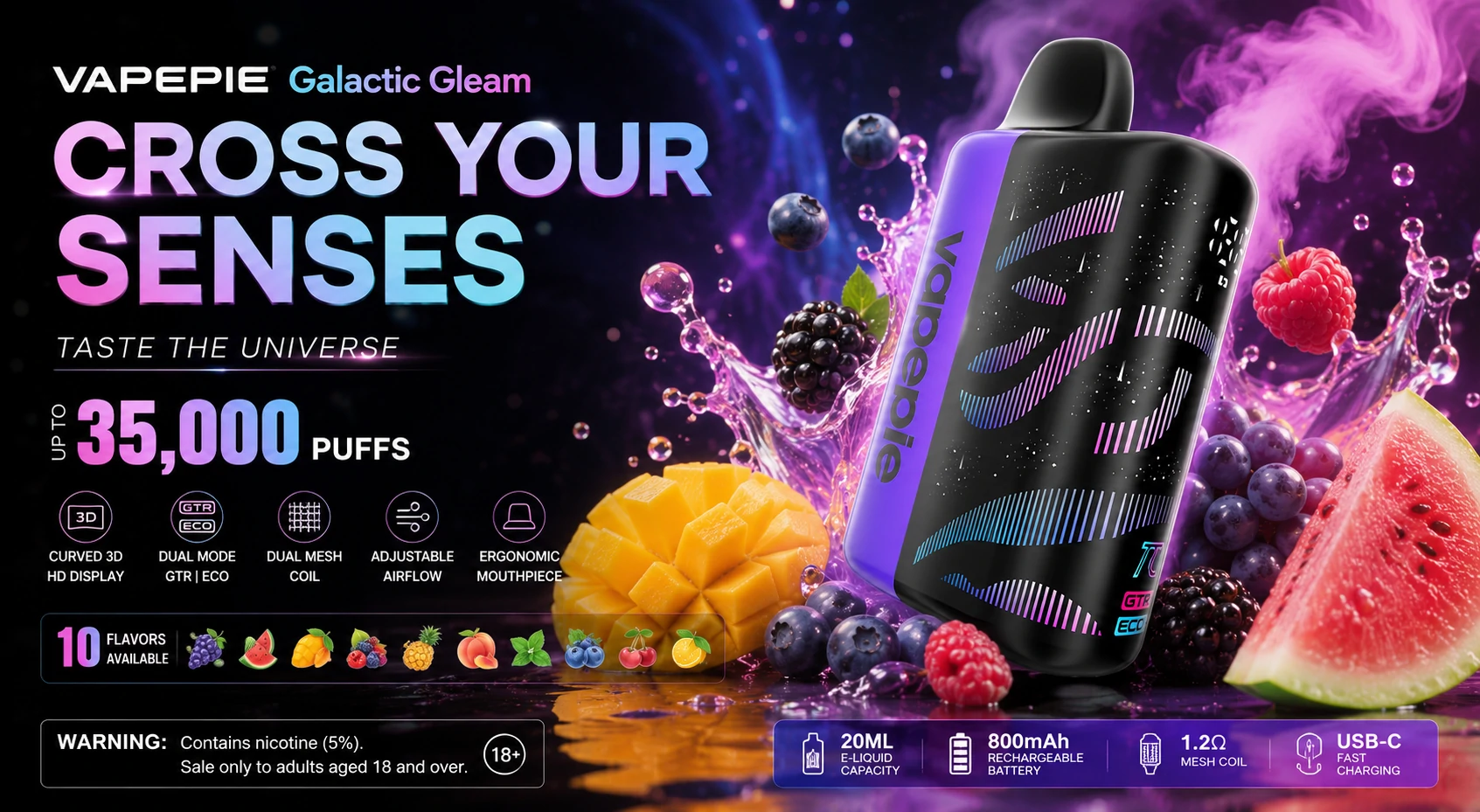
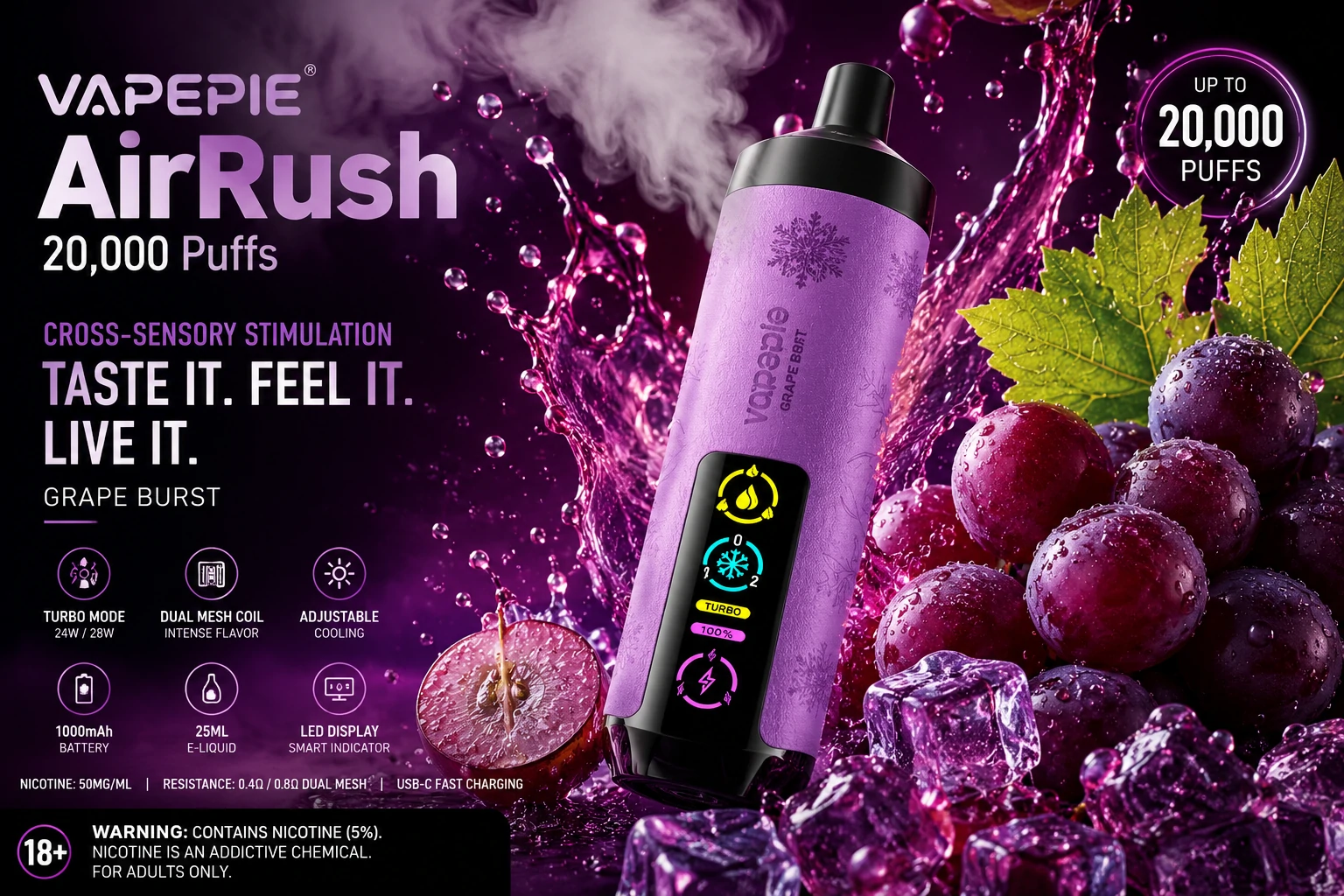
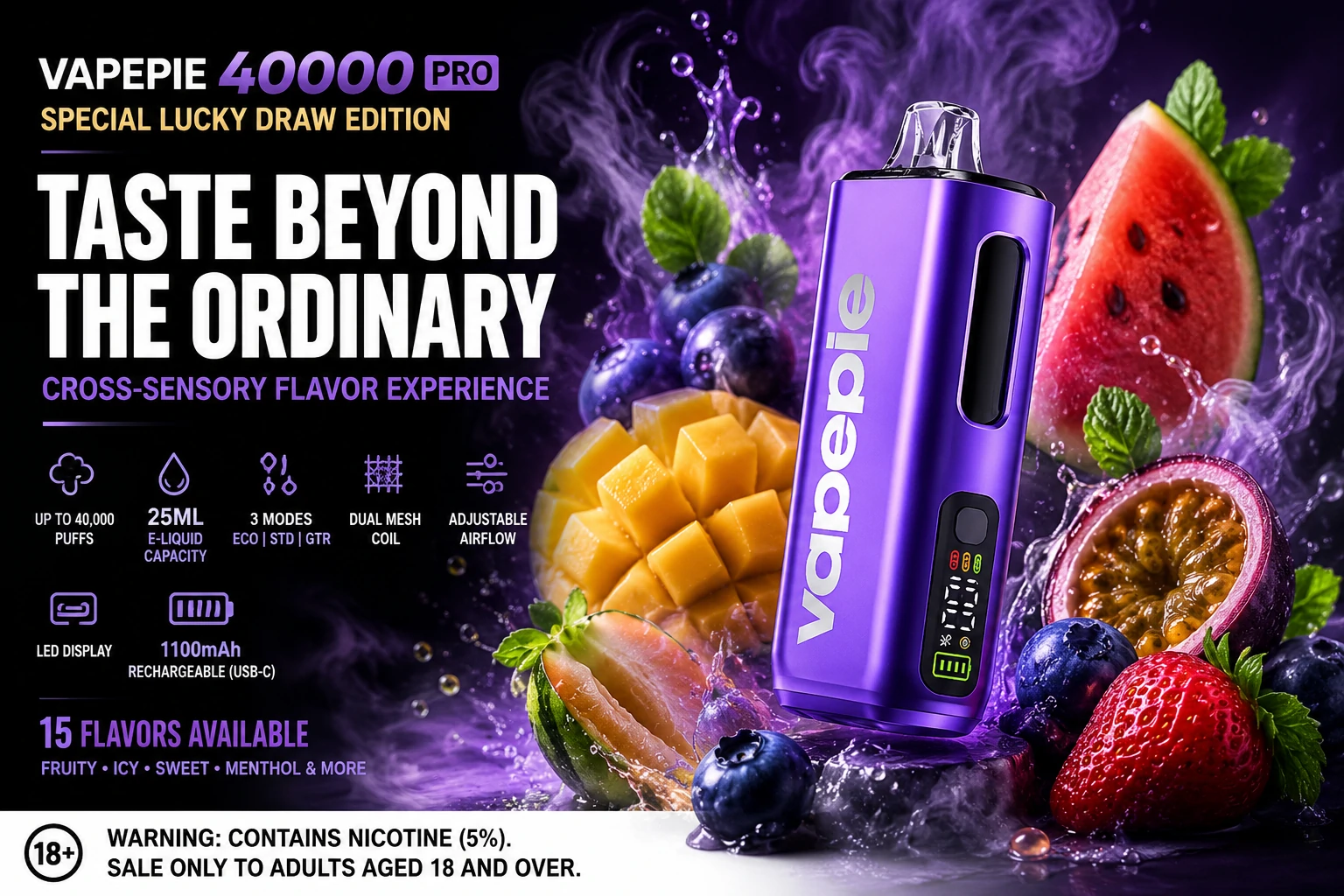
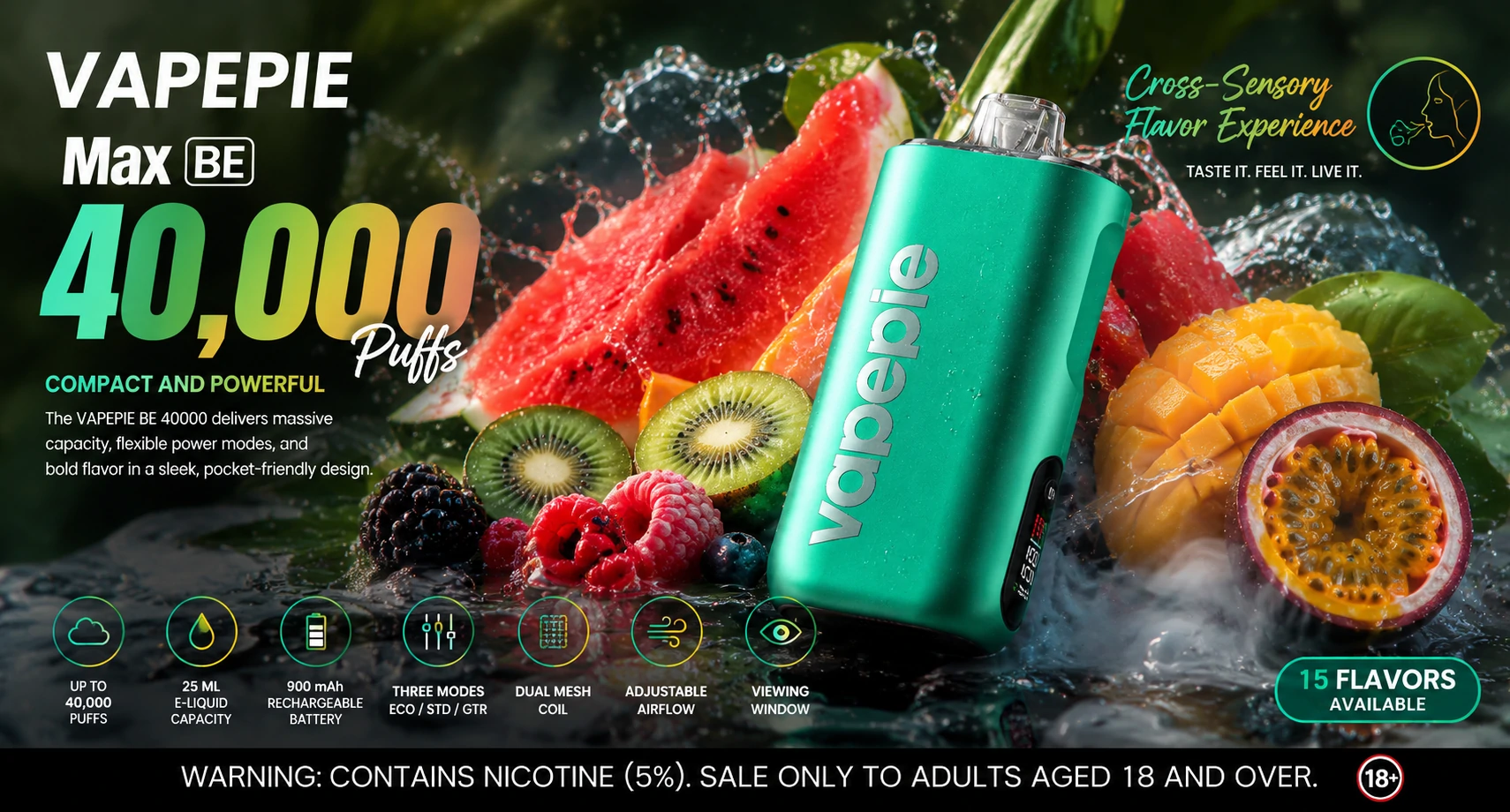
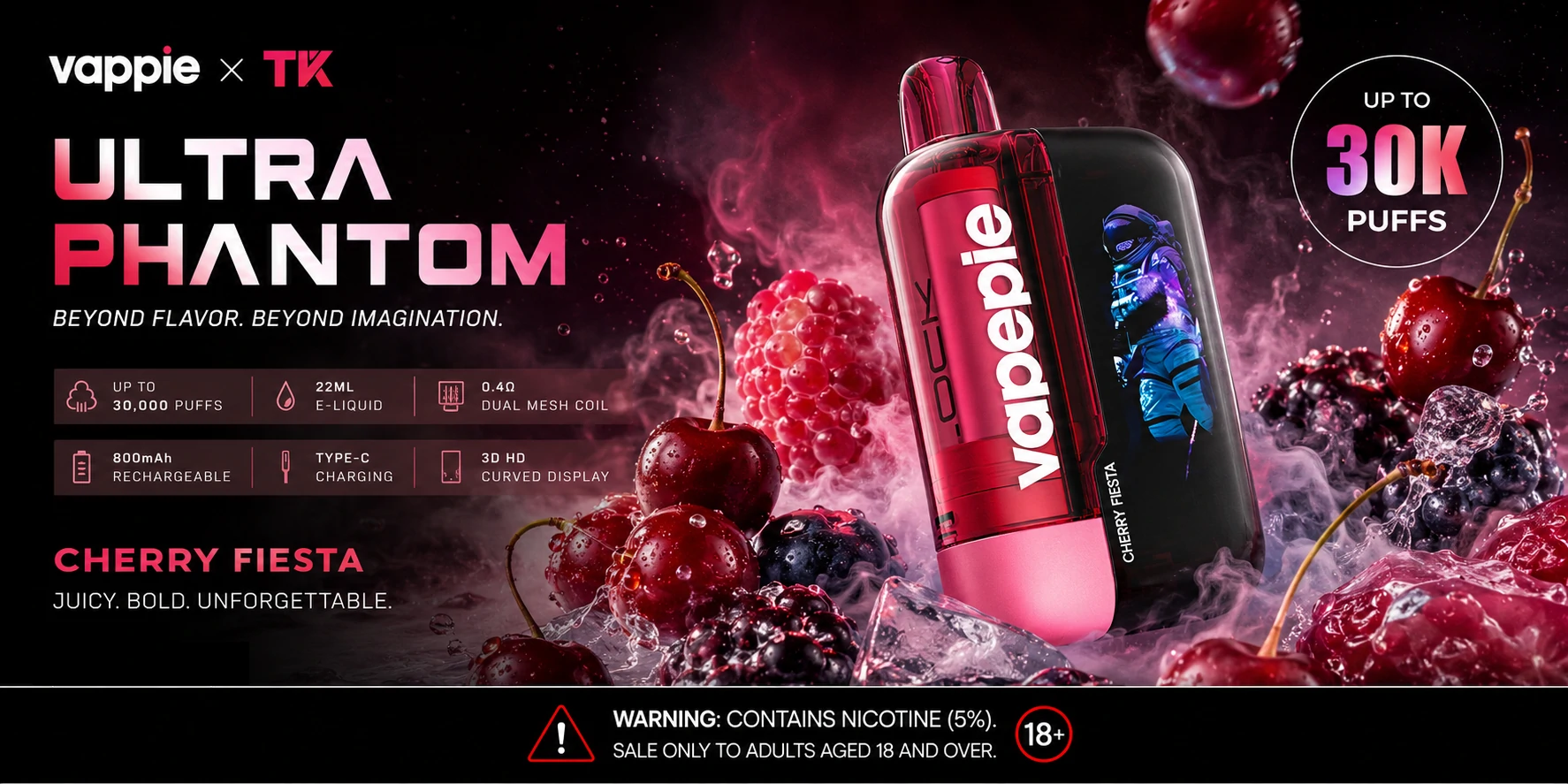
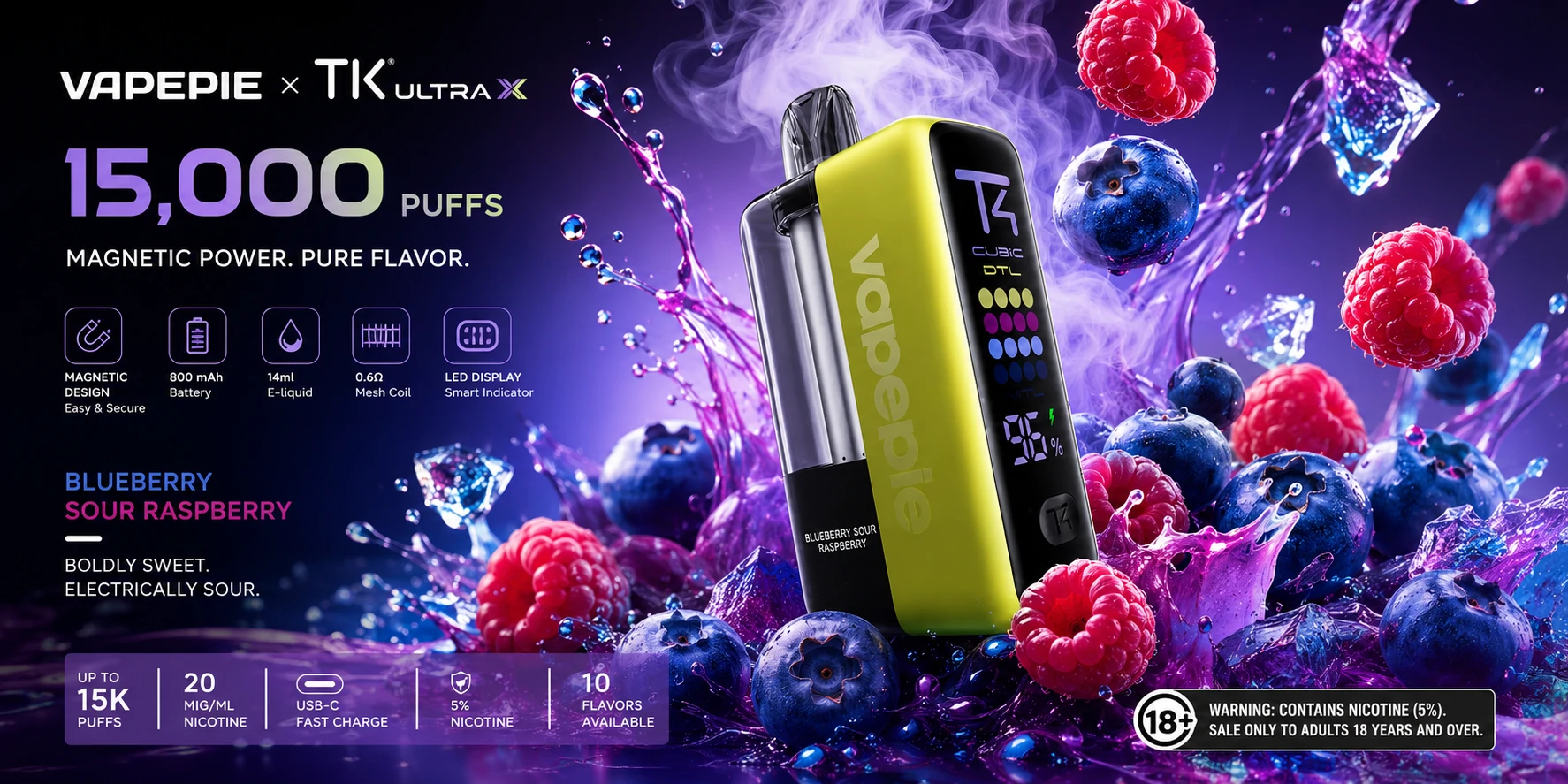
Flavors like mango, mint, and creme brulee weren't accidental. Internal documents from major vape brands show they were designed to appeal to never-smokers and teens. A 2022 study in JAMA Pediatrics found that 63% of youth vapers chose fruit or candy flavors. Menthol and mint, meanwhile, mask the harshness of nicotine, making it easier to inhale deeply and get hooked faster. The result? A generation that never touched a cigarette but now craves nicotine.
The FDA's 2020 flavor ban on cartridge-based e-cigarettes was supposed to stop this. But it left a loophole: disposable vapes. Brands like Elf Bar and Esco Bars flooded the market with sweet, cheap, and discreet devices. By 2024, disposables accounted for over 50% of U.S. vape sales, and youth use of disposables had tripled since 2019. Regulation chased the market; the market ran faster.
For smokers trying to quit, the story is more complicated. Nicotine replacement therapies like patches and gum have low success rates—around 7% without counseling. Vaping can deliver nicotine more efficiently, and some adults do quit cigarettes by switching. But the same flavors that help adults transition also recruit teens. The industry's dual-use narrative—'harm reduction for smokers, candy for kids'—isn't a contradiction. It's the business model.
What can be done? First, parents and educators need to recognize that 'it's just vapor' is a myth. Second, regulators must close the disposable loophole and enforce marketing restrictions online, where youth are targeted through influencers and TikTok trends. Third, adult smokers who vape should treat it as a temporary bridge, not a destination. Nicotine is still addictive, and the long-term health data on vaping is far from settled.
The real trap isn't the device. It's the story we tell ourselves: that 'safer' means safe, that flavors are harmless, that youth addiction is an unintended consequence. It's not. It's the product. Until we name that clearly, the next generation will keep inhaling the lie—one mango puff at a time.