The Flavor Trap: How Disposable E-Cigarettes Hook a New Generation
Explore the marketing tactics behind flavored disposable e-cigarettes, their appeal to youth, and the regulatory landscape of 2026.
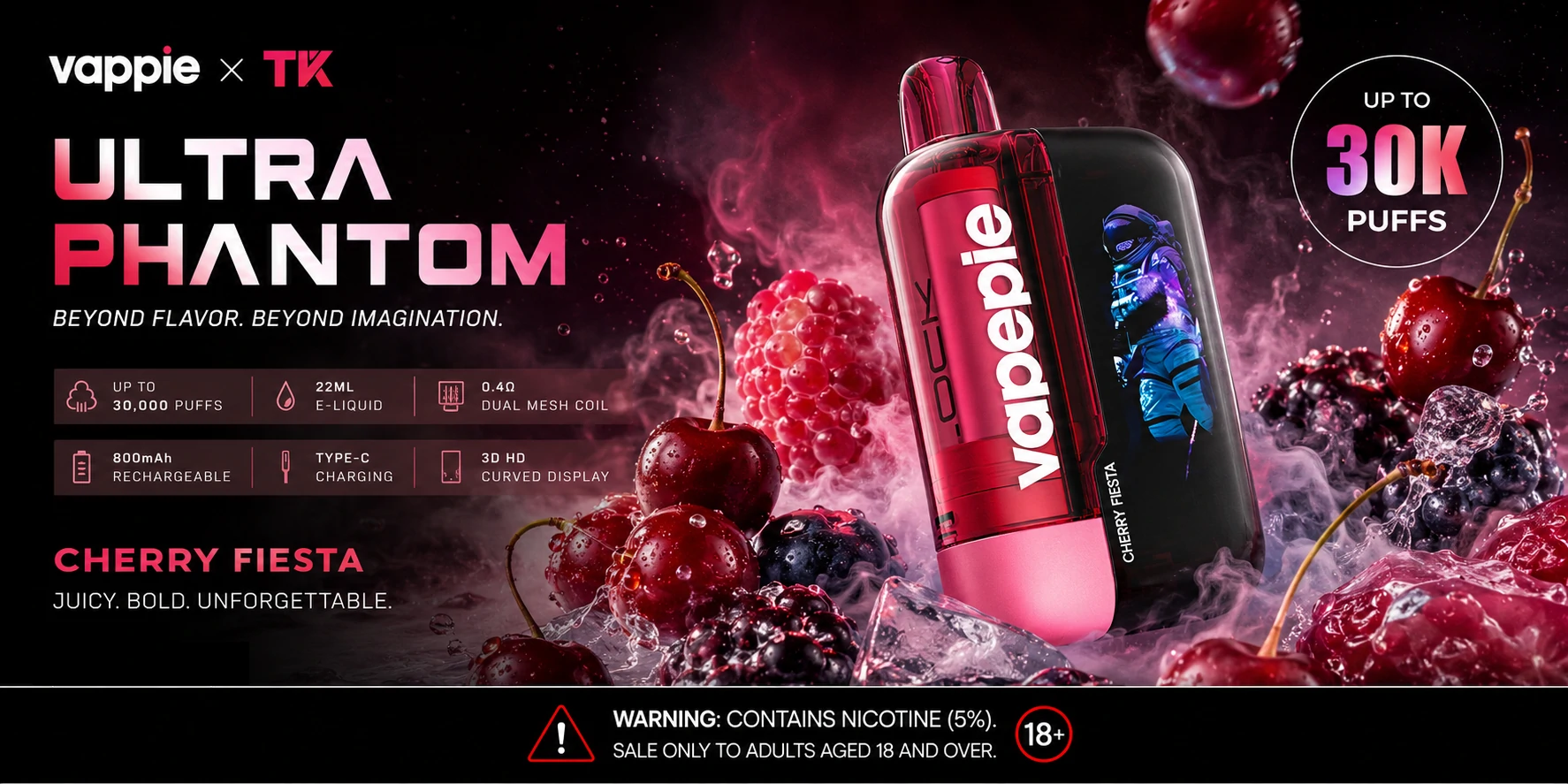
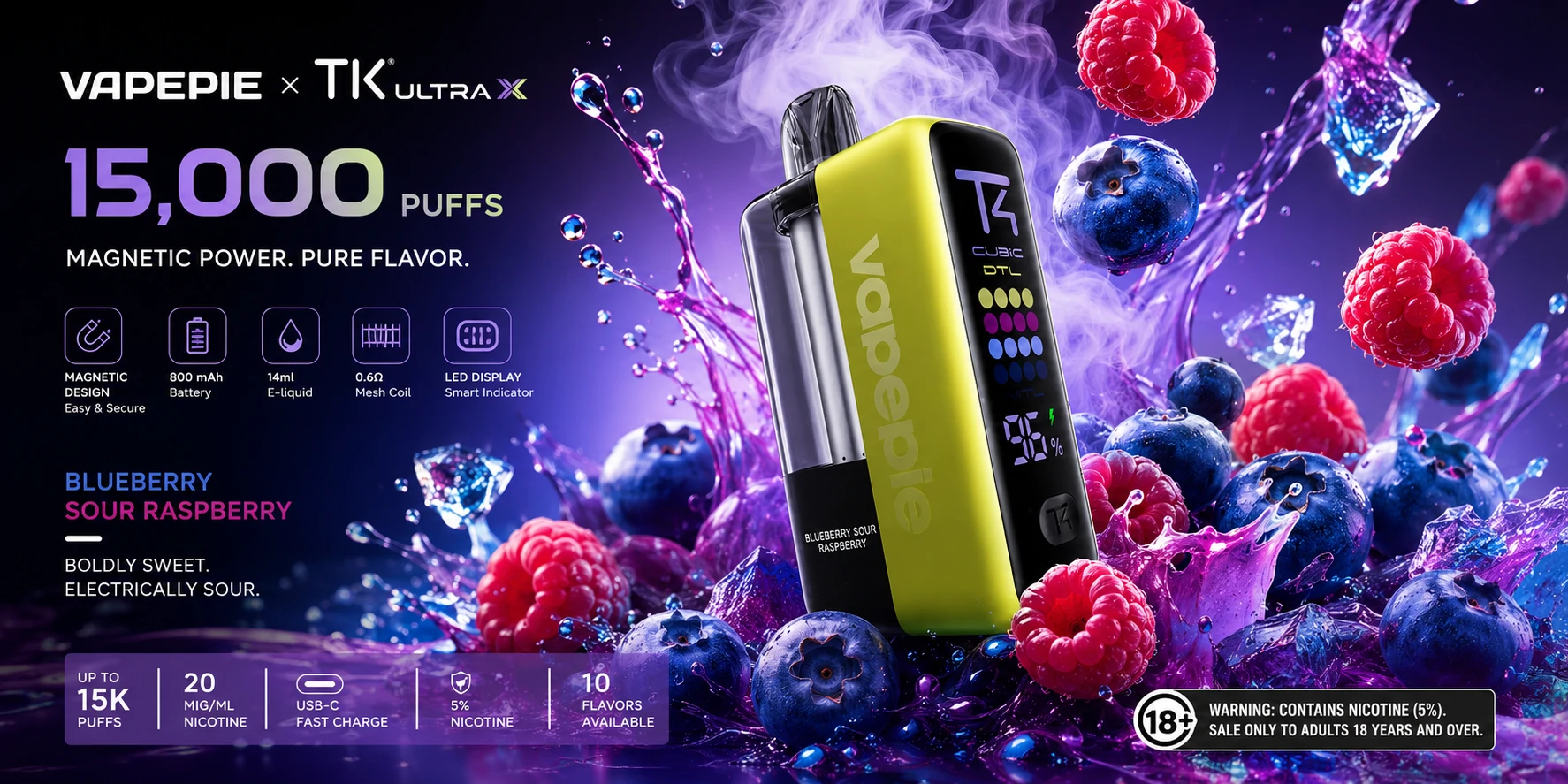
Walk into any vape shop, and you're greeted by a rainbow of flavors: mango, cotton candy, mint. For adult smokers seeking an alternative, these options seem like a blessing. But beneath the sweet facade lies a calculated strategy—one that has hooked a generation of teens who never touched a cigarette.
Disposable e-cigarettes are engineered for addiction. High nicotine salts deliver a smooth hit, while colorful packaging and trendy names mask the drug inside. In 2025, the FDA reported that over 2.1 million middle and high school students used e-cigarettes, with disposables being the most popular choice.
The real problem is flavor. According to a 2024 study in JAMA Pediatrics, 78% of youth who tried e-cigarettes started with a flavored product. These flavors aren't accidental; they're designed to lower the barrier to entry, making the first puff feel like candy, not chemicals.
Regulators are fighting back. The 2026 FDA guidance targets disposable manufacturers, requiring premarket authorization for all flavors. Yet companies exploit loopholes, re-releasing new flavors under different brand names. The cat-and-mouse game continues, leaving parents and educators scrambling.
For adult smokers, the choice is complex. Disposables offer a cleaner alternative to combustible cigarettes, but the same flavors that help them quit also attract their children. The industry's failure to self-regulate has created a public health paradox: a tool for harm reduction that fuels a new addiction crisis.
Shareable insight: 'If it tastes like candy, it’s not health food. The same flavors that help adults quit smoking are the ones hooking a generation of teens.' The next time you see a disposable vape, ask yourself: who is this really designed for?
So, what’s your take? Should flavored disposables be banned outright, or is it up to parents to monitor use? Drop your thoughts in the comments—this debate isn't going away.