The Cigarette Aesthetic: Why Smoking Still Looks Cool—Even When We Know It Kills
A century of cinema, photography, and advertising has encoded the cigarette into the visual language of glamour, rebellion, and interiority. Public health campaigns have changed what we know about smoking. They haven't changed what it looks like.
The cigarette is, objectively, a small cylinder of paper containing shredded tobacco leaves, designed to be set on fire and inhaled. It is a drug delivery device. And yet: the cigarette is also one of the most aesthetically potent objects in modern culture. The way it is held—between the index and middle fingers, or between the thumb and forefinger in the European style. The way the smoke curls upward, diffusing into the air. The way the ember glows when the smoker inhales. The way the ash lengthens and falls. The way the cigarette is stubbed out—decisively, with a grinding motion, or delicately, with a tap against the ashtray. These are not incidental features of the smoking experience. They are the visual language of smoking—a language that has been developed over a century of cinema, photography, advertising, and art, and that remains culturally potent even as the behavior itself has been marginalized. The cigarette aesthetic is a public health problem that no health warning can address—because it operates at the level of visual culture, not at the level of risk communication.
The encoding of the cigarette into the visual language of glamour was not an accident. It was the product of the most sustained and sophisticated marketing campaign in history—decades of advertising, product placement, and cultural sponsorship that embedded the cigarette into the imagery of sophistication (the elegant woman with the cigarette holder), rebellion (the greaser with the cigarette tucked behind the ear), masculinity (the cowboy with the cigarette between his lips), and interiority (the solitary figure smoking by the window, lost in thought). The campaign was so successful that the cigarette aesthetic has outlived the advertising that created it—the Marlboro Man, the Virginia Slims woman, the Joe Camel cartoon all persist in the cultural memory decades after their advertisements were banned. The cigarette aesthetic is now self-sustaining: filmmakers, photographers, and artists deploy it not because they are paid to (the paid product placement of the mid-20th century has been largely eliminated) but because it works. The cigarette, in visual media, communicates something—a mood, a character, a moment—that no other prop can communicate as efficiently.
The persistence of the cigarette aesthetic in contemporary visual culture is documented by content analyses of film and television. Despite voluntary restrictions on smoking in youth-rated films (the MPAA's 2007 announcement that smoking would be considered a factor in film ratings), smoking imagery in top-grossing films has declined only modestly—and remains present in a substantial proportion of films, particularly those aimed at adult audiences. The smoking character is still the most efficient visual shorthand for a particular kind of personality: world-weary, introspective, rebellious, or dangerous. The cigarette does narrative work—it tells the audience something about the character who smokes, without requiring dialogue or exposition. The filmmaker who chooses to have a character smoke is making an aesthetic decision that has consequences for public health—the exposure to smoking imagery in films is associated with adolescent smoking initiation, and the association is causal (longitudinal studies control for confounding factors). But the filmmaker's calculus is aesthetic, not epidemiological—and the aesthetic power of the cigarette ensures its continued presence in visual culture, regardless of the health consequences.
The public health response to the cigarette aesthetic has been primarily regulatory: restrictions on smoking in films (rating-based disincentives, content descriptors), restrictions on cigarette advertising (the broadcast ban, the MSA's marketing restrictions), and counter-advertising (anti-smoking campaigns that attempt to replace the glamour aesthetic with a health-risk aesthetic). The regulatory approach has had some success—smoking imagery in films has declined, particularly in youth-rated films—but it has not eliminated the cigarette aesthetic from the culture. The aesthetic is too deeply embedded, too useful to filmmakers and content creators, and too resonant with audiences to be regulated out of existence. The alternative approach—competing with the cigarette aesthetic on its own terms—is rarely discussed. The public health community has invested in counter-advertising that emphasizes health risks, but has not invested in the development of an alternative aesthetic—imagery that can do the narrative and emotional work that the cigarette currently does, without the health consequences. The cigarette aesthetic is a cultural problem, and it requires a cultural response—not just a regulatory one.
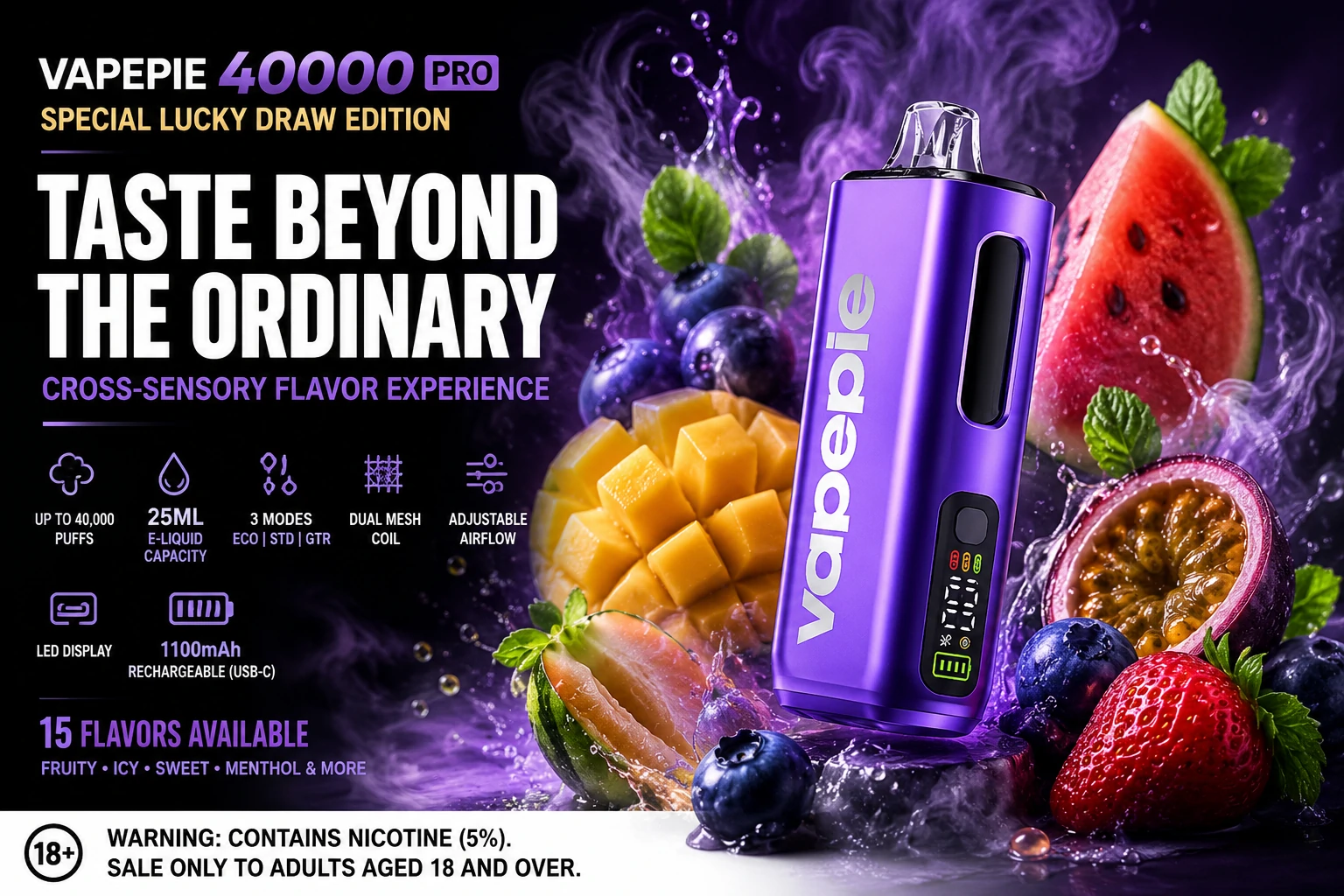
The vaping industry's aesthetic strategy is an attempt to replicate the cigarette aesthetic for a new product category. The 'cloud'—the visible vapor exhaled by the vaper—is the aesthetic centerpiece of vaping culture, doing the visual work that the cigarette's smoke trail and ember glow did for smoking. The vape device itself—sleek, technological, customizable—is an aesthetic object, designed to be displayed and admired. The vaping aesthetic is not the cigarette aesthetic—it is more technological, less romantic, more individualistic—but it serves the same function: making nicotine consumption visually appealing. The public health community has responded to the vaping aesthetic with alarm—'they're making nicotine use look cool again'—without acknowledging that the cigarette aesthetic has been making nicotine use look cool for a century, and the public health response to the cigarette aesthetic has been largely ineffectual. The vaping aesthetic is not the problem. The persistence of nicotine aesthetics in visual culture—the fact that nicotine use, in any form, can be made to look appealing—is the problem, and it is a problem that the public health community has not solved.
The cigarette aesthetic is ultimately a reminder that culture is more durable than policy. The policies that have reduced smoking prevalence—taxation, smoke-free environments, advertising bans—have changed behavior. They have not changed the visual culture that encodes smoking as glamorous, rebellious, and emotionally resonant. That culture persists in films, photographs, and collective memory—and it continues to shape the desires and identities of the young people who encounter it. The cigarette aesthetic is not a problem that can be regulated away. It is a problem that must be engaged at the level of culture—through the creation of alternative imagery, the cultivation of alternative aesthetics, and the recognition that public health, for all its success in changing behavior, has barely begun to change what smoking looks like.
Shareable insight: The cigarette is one of the most aesthetically potent objects in modern culture—decades of film, photography, and advertising have encoded it into the visual language of glamour, rebellion, and interiority. Public health campaigns have reduced smoking prevalence dramatically. They haven't changed what smoking looks like. The cigarette aesthetic persists in the culture, shaping desires and identities in ways that health warnings cannot reach. The public health community has regulated the advertising. It hasn't competed with the aesthetic.