E-Cigarettes: The 'Safer' Smoke That's Hooked a New Generation
Explore the paradox of e-cigarettes: designed to help smokers quit, they've become a new addiction for teens. Uncover the risks, trends, and what it means for public health.
In 2026, the e-cigarette landscape is a paradox. Designed to help smokers quit, these devices have become a gateway to nicotine for a generation that never smoked. The latest data from the CDC shows that over 2.5 million middle and high school students used e-cigarettes in the past 30 days, a staggering figure that has public health officials on high alert.
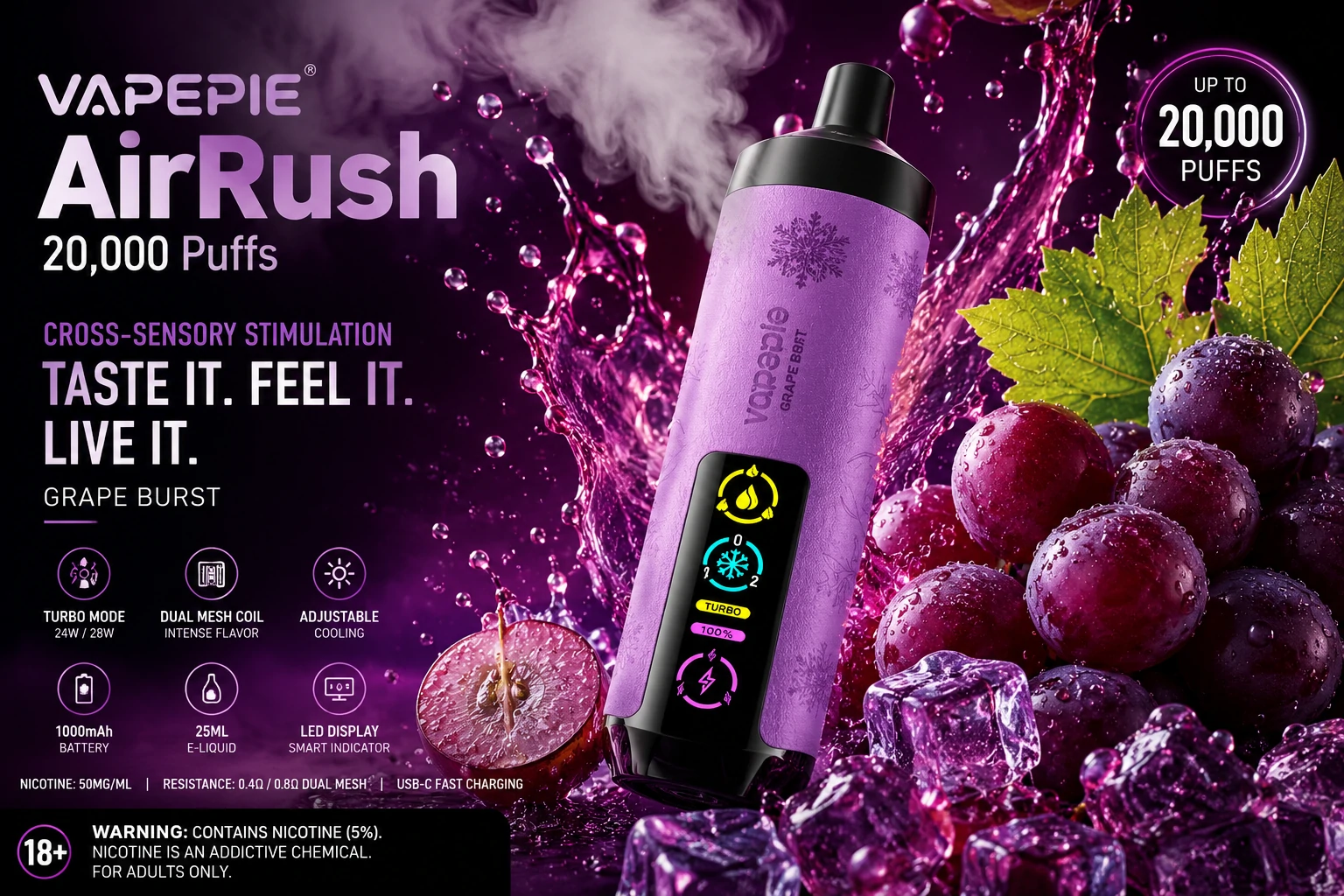
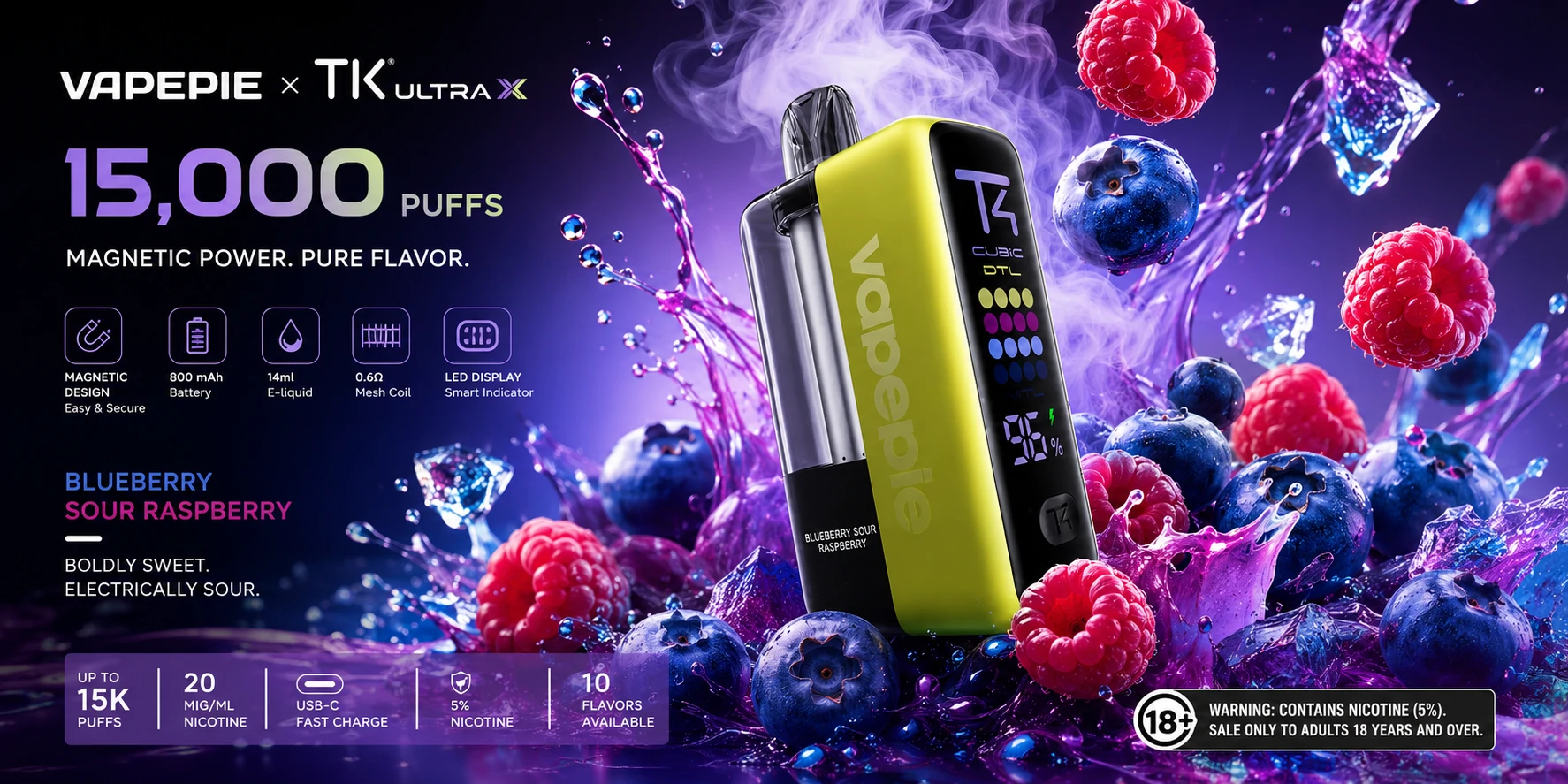
The appeal is clear: sleek designs, enticing flavors like mango and cotton candy, and a pervasive myth that they're 'just water vapor.' But the reality is far more complex. E-cigarettes deliver nicotine, a highly addictive substance, and the aerosol contains harmful chemicals like formaldehyde and acrolein. The 'safer' label is a dangerous half-truth.
For adult smokers, e-cigarettes can be a harm-reduction tool. The UK's Royal College of Physicians states they're 'unlikely to exceed 5% of the harm of tobacco cigarettes.' Yet, the key is regulation and oversight. Without strict controls, these products fall into the hands of youth, creating a new public health crisis.
The industry is evolving rapidly. Disposable vapes have surged in popularity, with brands like Elf Bar and Puff Bar dominating the market. Their low cost and high nicotine content make them particularly attractive to teens. Meanwhile, regulators are scrambling to catch up, with flavor bans and age verification laws being implemented across the globe.
Consumer psychology plays a pivotal role. The marketing of e-cigarettes often mirrors that of Big Tobacco in the 1950s, using lifestyle imagery and celebrity endorsements. For young people, vaping is seen as a social activity, a way to fit in. Understanding this is crucial for effective prevention.
So, what's the path forward? It's not a simple ban. Experts advocate for a balanced approach: strict age verification, flavor restrictions, and education campaigns that highlight the risks. For smokers, e-cigarettes can be a bridge to quitting, but only with proper support and regulation. The goal is to protect youth while helping adults.
The question remains: Can we harness the potential of e-cigarettes for harm reduction without creating a new generation of nicotine addicts? It's a delicate balance, and the answer lies in evidence-based policy and public awareness. As we navigate this complex landscape, one thing is clear: the 'safer' smoke is anything but simple.