Beyond the Buzz: The Consumer Psychology Driving the E-Cigarette Boom
Explore the psychological triggers behind vaping addiction, from flavor marketing to social validation, and how industry changes exploit user behavior.
Why do millions of people choose e-cigarettes over traditional cigarettes, even knowing the risks? The answer lies not in health claims, but in psychology. From the ritual of the inhale to the social status of a sleek device, vaping taps into deep behavioral drivers—novelty, control, and identity—that keep users coming back.
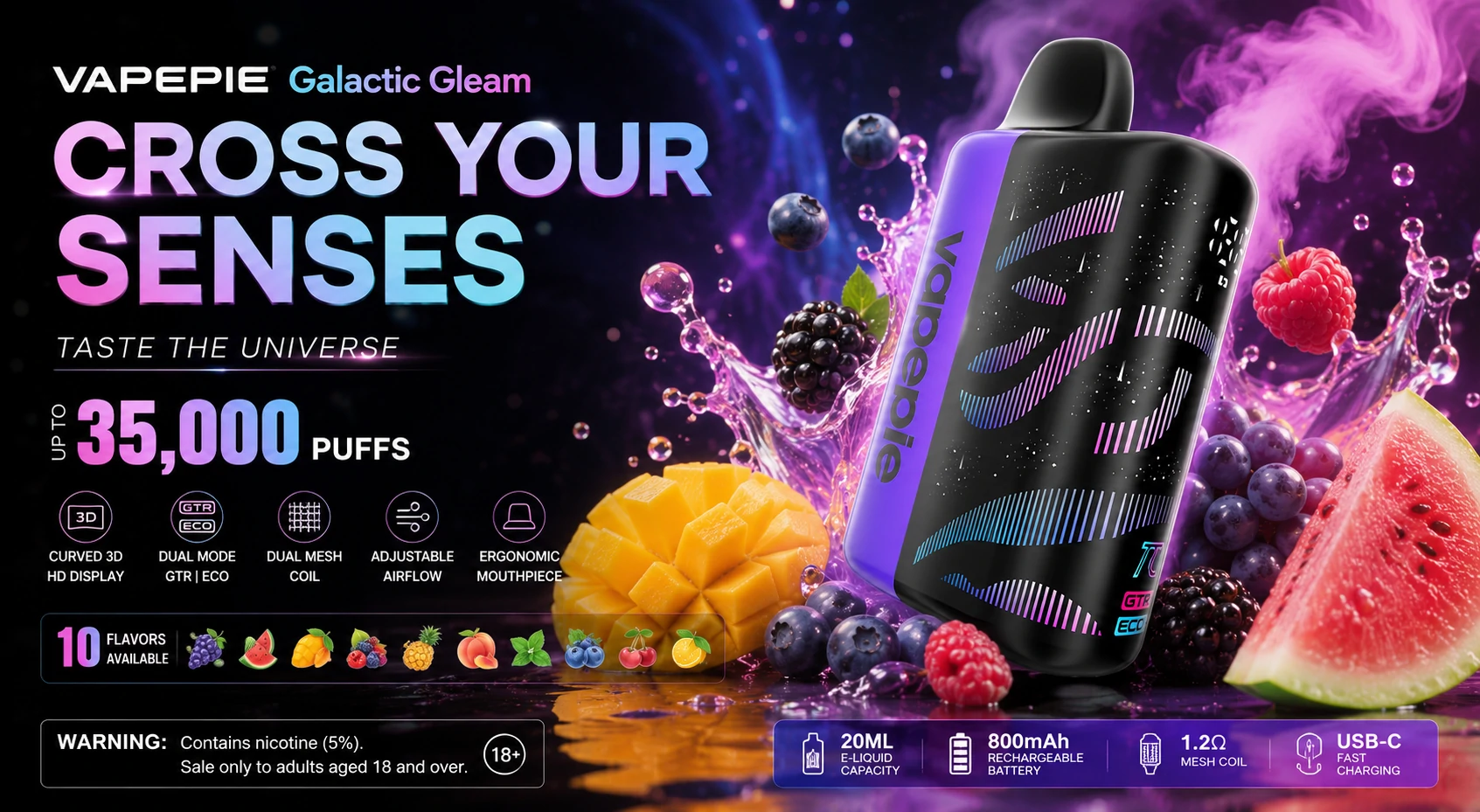
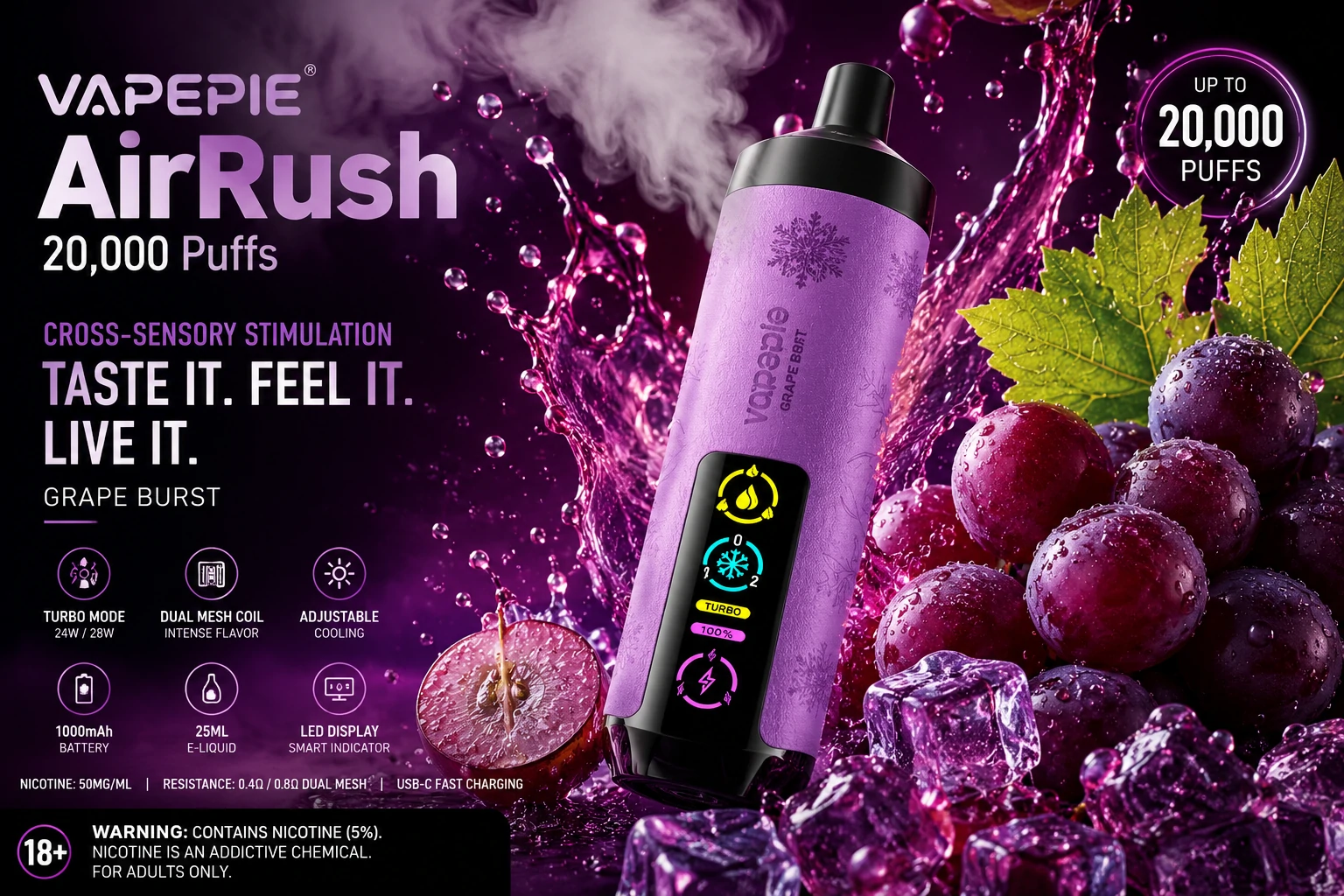
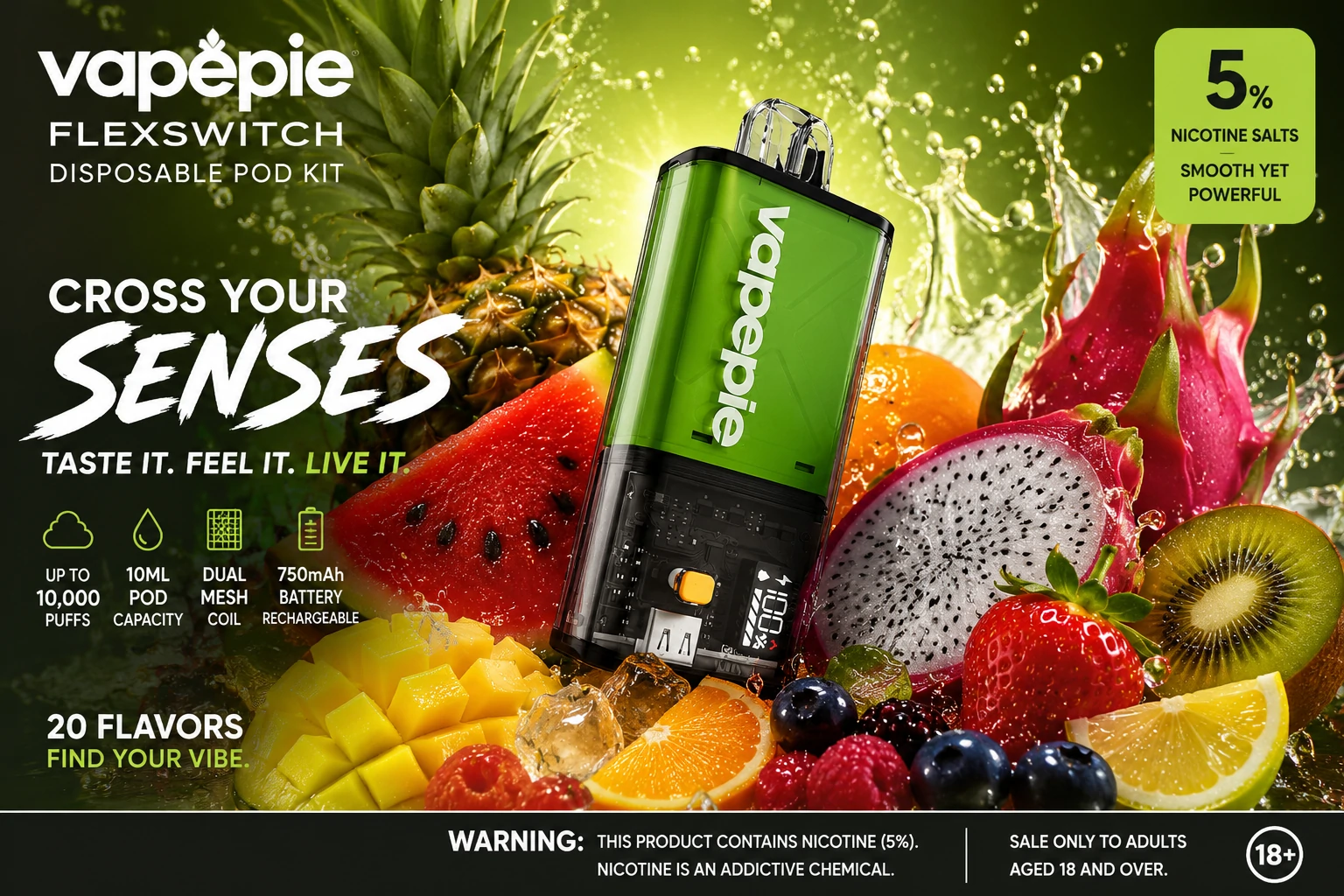
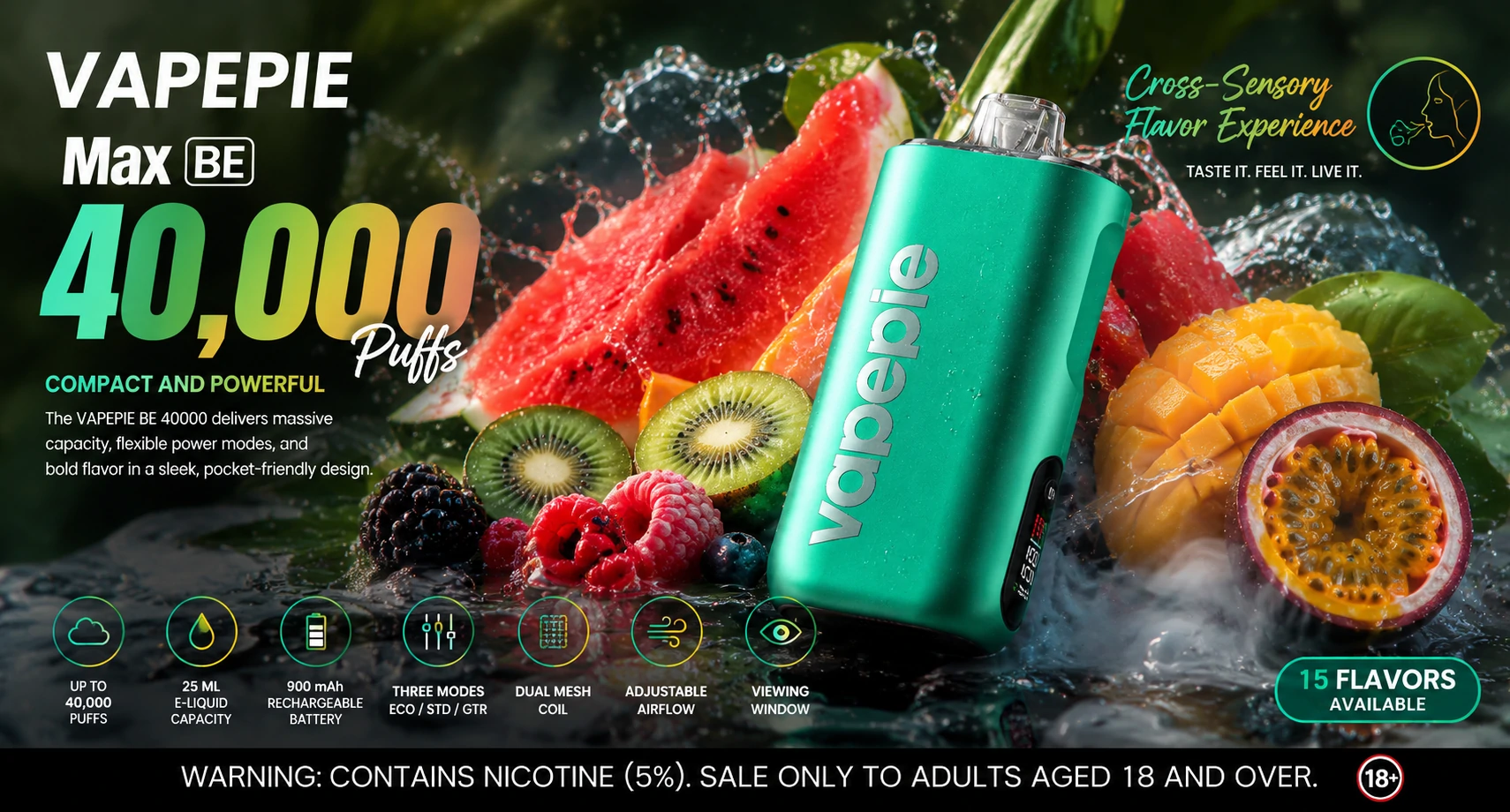
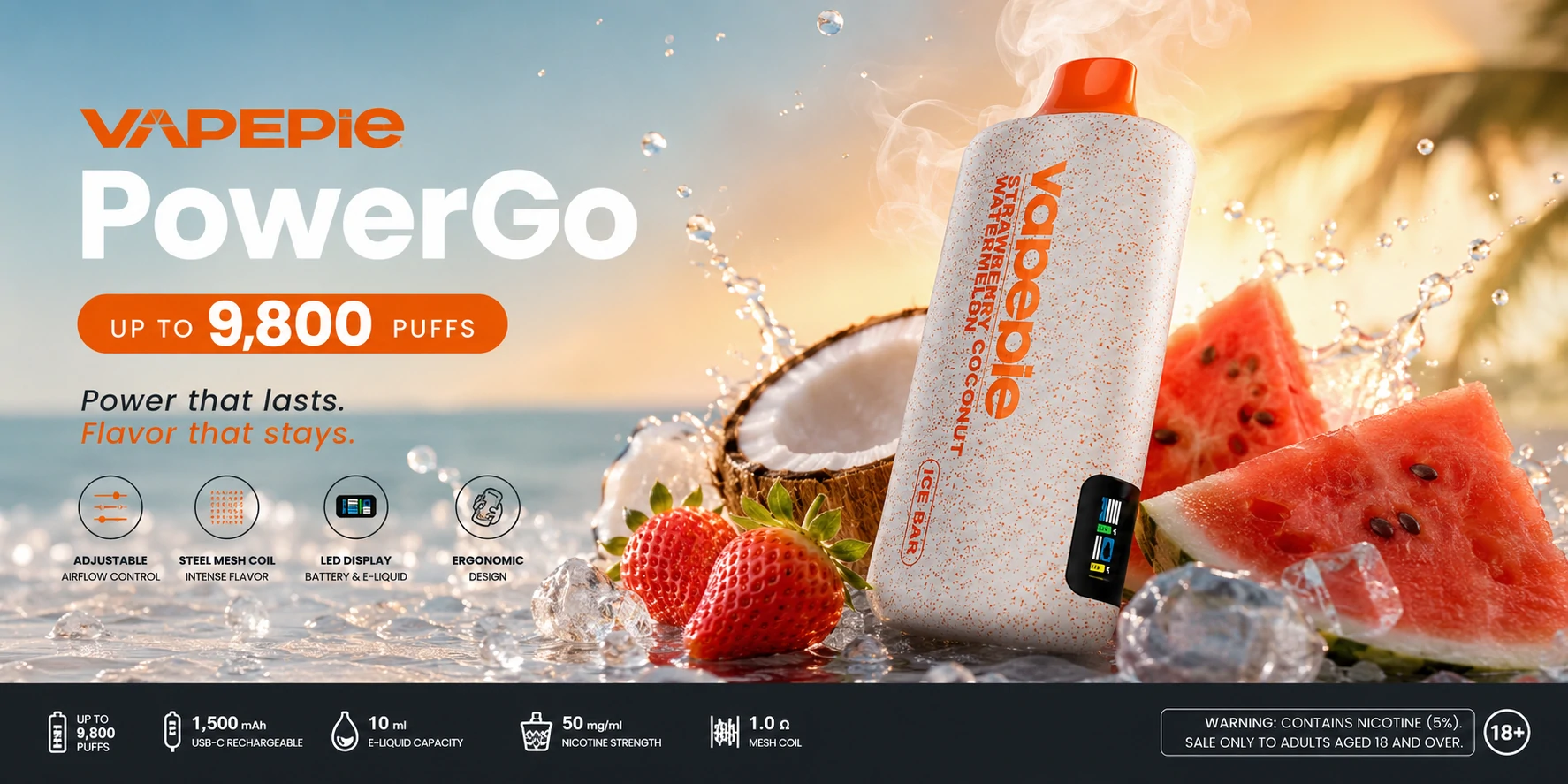
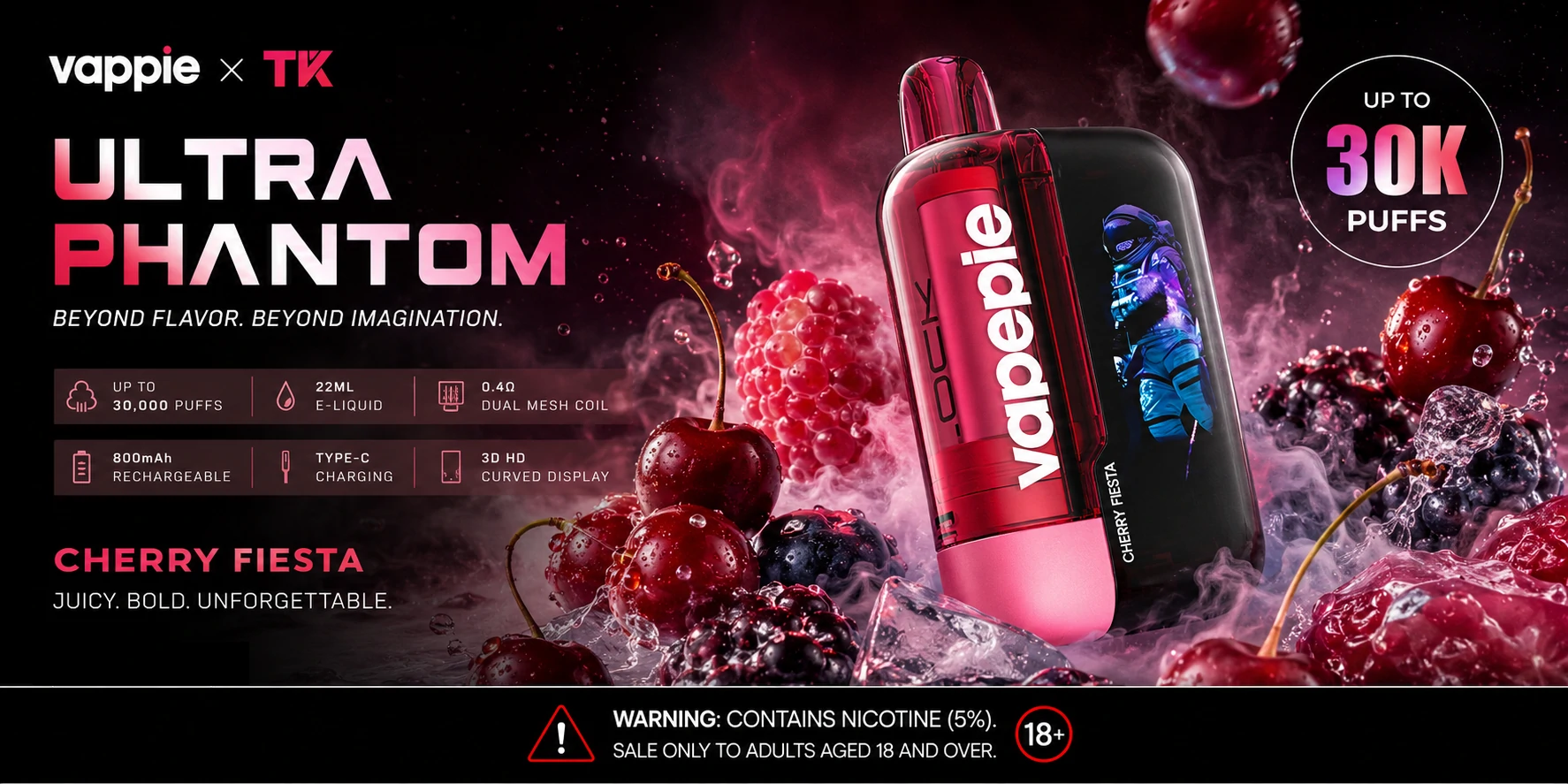
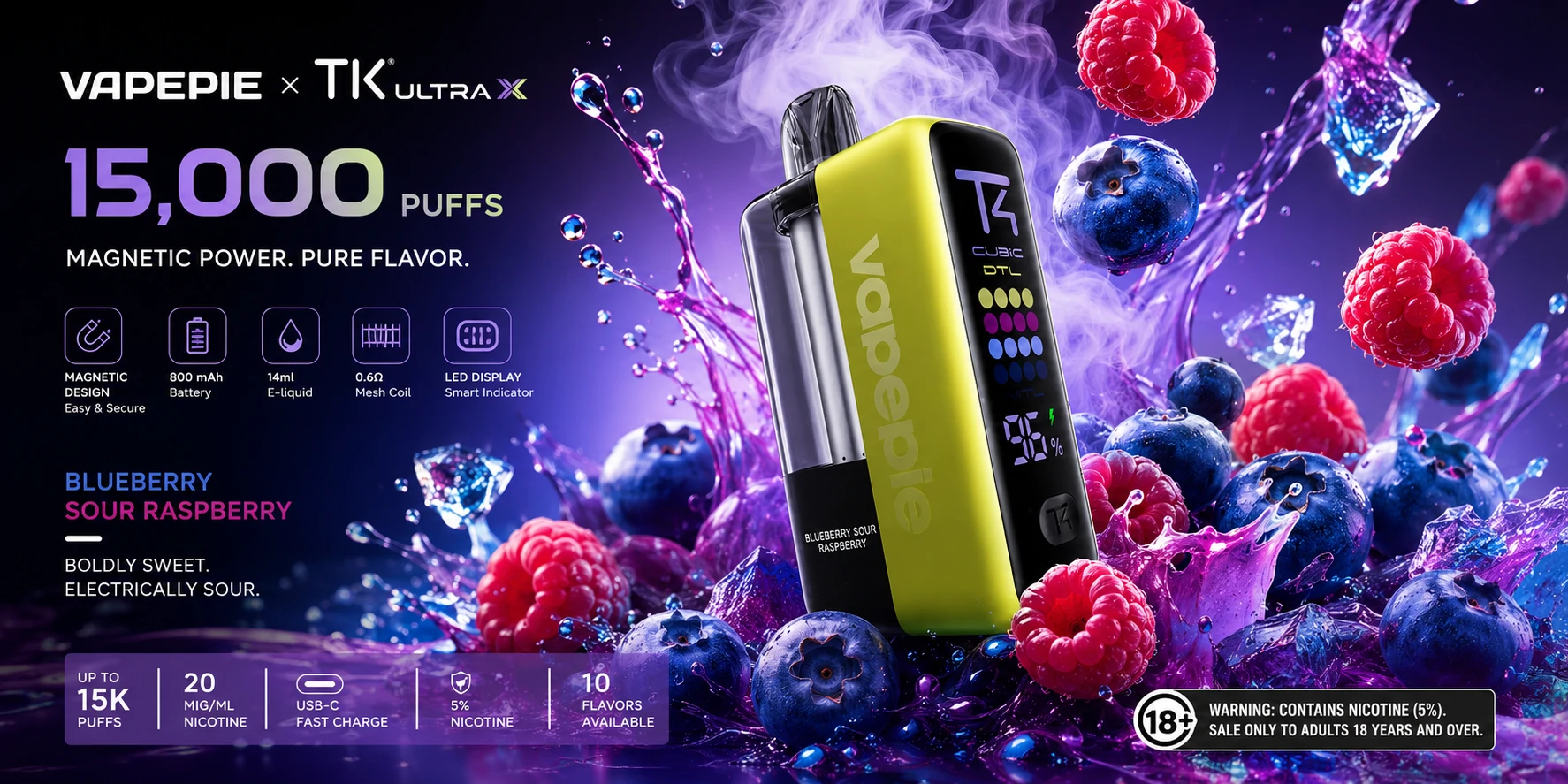
Flavor marketing is a masterclass in consumer manipulation. A 2023 study found that 80% of youth vapers started with a fruit or dessert flavor, not tobacco. Brands exploit the brain's reward system: sweet tastes trigger dopamine, creating a positive feedback loop that bypasses rational risk assessment. It’s not about quitting; it’s about pleasure engineering.
Social validation plays a huge role. In a survey of 2,000 vapers, 65% said they started because friends used them. The cloud-chasing subculture turns vaping into a performance—exhaling thick vapor becomes a skill, a way to belong. This peer-driven adoption is far stickier than any nicotine craving alone.
Industry changes also exploit cognitive biases. Disposable vapes, with their bright colors and low upfront cost, tap into the 'commitment bias'—users feel less invested, so they buy more. Meanwhile, refillable systems use 'sunk cost fallacy': once you buy the device, you’ll keep buying pods. It’s a carefully engineered addiction loop.
Here’s a shareable insight: the average vaper spends $1,200 annually on devices and liquids, but only 15% successfully quit within a year. The industry profits from your brain’s desire for novelty, not your health. Understanding these triggers is the first step to breaking the cycle.